The relationship between diet and mental health is increasingly recognized in both the scientific community and the public sphere. Many people are unaware that certain eating tips for mental health can significantly impact mood, cognition, and overall well-being. Studies have shown that what we consume can influence not only our physical health but also our mental state.
For instance, a well-balanced diet rich in nutrients can lead to improved mood and reduced anxiety. Conversely, poor dietary choices may contribute to feelings of depression or stress. In this article, we will explore essential eating tips for mental health, outlining practical strategies to enhance your mental well-being through diet.
Understanding these eating tips for mental health is crucial as they can empower you to make informed decisions about your food choices, ultimately leading to a happier and healthier life.
Understanding the Connection Between Food and Mental Health
Research has shown a profound link between nutrition and mental health. The foods we eat can influence neurotransmitter function, inflammation, and overall brain health.
### The Science Behind Nutrition and Mood
– Neurotransmitter Production: Certain nutrients are essential for the production of neurotransmitters like serotonin and dopamine, which regulate mood. For example, foods rich in omega-3 fatty acids can aid in serotonin production.
– Inflammation: A diet high in processed foods can lead to inflammation, which has been linked to mood disorders. In contrast, whole foods can help reduce inflammation, promoting better mental health.
– Gut-Brain Axis: Emerging research emphasizes the connection between gut health and mental health. A healthy gut microbiome, supported by a balanced diet, can positively affect mood and cognitive functions.
Understanding these mechanisms can help individuals make dietary choices that support better mental health outcomes.
Top Eating Tips for Mental Health
Incorporating specific strategies into your diet can significantly enhance your mental well-being. Here are some effective eating tips for mental health to consider:
### 1. Prioritize Whole Foods
– Focus on fruits, vegetables, whole grains, lean proteins, and healthy fats.
– These foods are nutrient-dense and provide essential vitamins and minerals.
### 2. Stay Hydrated
– Dehydration can lead to fatigue and irritability. Aim to drink at least 8 glasses of water a day.
### 3. Incorporate Omega-3 Fatty Acids
– Foods like salmon, walnuts, and flaxseeds can boost brain health and improve mood.
### 4. Limit Sugar and Processed Foods
– High sugar intake can lead to mood swings and increased anxiety. Opt for natural sweeteners and whole-food alternatives.
By implementing these eating tips for mental health, individuals can create a supportive dietary framework that enhances their mental resilience.
Foods to Incorporate for Better Mental Well-Being
Certain foods have been shown to have a particularly positive impact on mental health. Here’s a closer look at some of these beneficial options:
### Nutrient-Rich Foods to Include
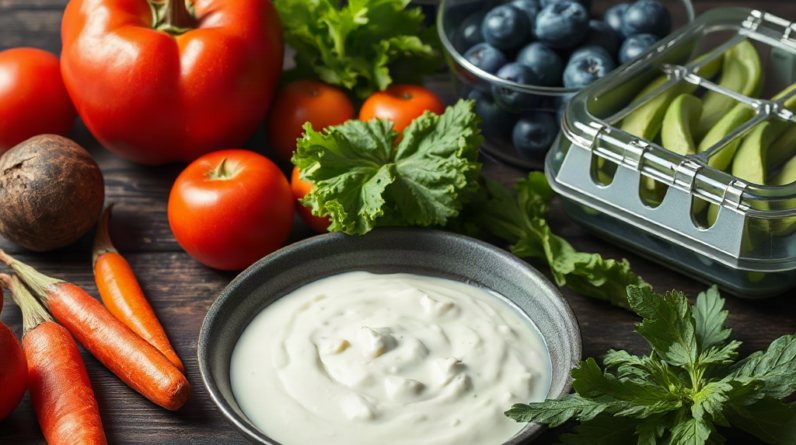
– Leafy Greens: Spinach and kale are rich in folate, which is linked to lower levels of depression.
– Berries: Blueberries and strawberries contain antioxidants that protect the brain from oxidative stress.
– Nuts and Seeds: Almonds and pumpkin seeds are packed with magnesium, which can help reduce anxiety.
– Dark Chocolate: A small amount of dark chocolate can boost mood and reduce stress due to its flavonoids.
Incorporating these foods into your daily diet can provide the essential nutrients needed for optimal mental health.
Foods to Avoid for Optimal Mental Health
While certain foods can boost mental well-being, others can have a detrimental effect. Here are some foods to limit or avoid:
### Foods That May Worsen Mental Health
– Refined Carbohydrates: White bread and pastries can cause spikes in blood sugar, leading to mood swings.
– Fried Foods: High in unhealthy fats, these can contribute to inflammation and mental fatigue.
– Sugary Drinks: Sodas and energy drinks can lead to energy crashes and irritability.
– Alcohol: While it may initially seem to relax, excessive alcohol consumption can lead to anxiety and depression.
Being mindful of these foods and their effects can significantly enhance your mental health, complementing the positive impact of healthy eating.
References and Resources
These resources provide valuable information about eating tips for mental health. Check them out for additional insights:
Frequently Asked Questions
What are some effective eating tips for mental health?
Effective eating tips for mental health include prioritizing whole foods, staying hydrated, and incorporating omega-3 fatty acids. Limiting processed foods and refined sugars can also positively impact mood and reduce anxiety.
How does diet affect mental health?
A balanced diet rich in nutrients can improve neurotransmitter function, reduce inflammation, and support a healthy gut microbiome, all of which are crucial for maintaining optimal mental health.
Are there specific foods that can boost mental health?
Yes, foods such as leafy greens, berries, nuts, and fatty fish are known to boost mental health due to their high nutrient content and beneficial effects on brain function.
What eating tips for mental health should I avoid?
Avoiding refined carbohydrates, excessive sugar, and unhealthy fats is essential. These foods can lead to fluctuations in energy and mood, negatively affecting mental well-being.
Can changing my diet really improve my mental health?
Yes, numerous studies show that dietary changes can lead to significant improvements in mental health. By adopting positive eating tips for mental health, individuals can enhance their mood and overall mental resilience.
Conclusion
Incorporating effective eating tips for mental health can lead to substantial improvements in mood and cognitive function. By focusing on whole foods, staying hydrated, and avoiding processed ingredients, individuals can create a diet that supports not just their body but also their mind. Remember, the journey to better mental health starts on your plate.
Take actionable steps today to nourish your mind with the right foods, and witness the meaningful difference it can make in your daily life.