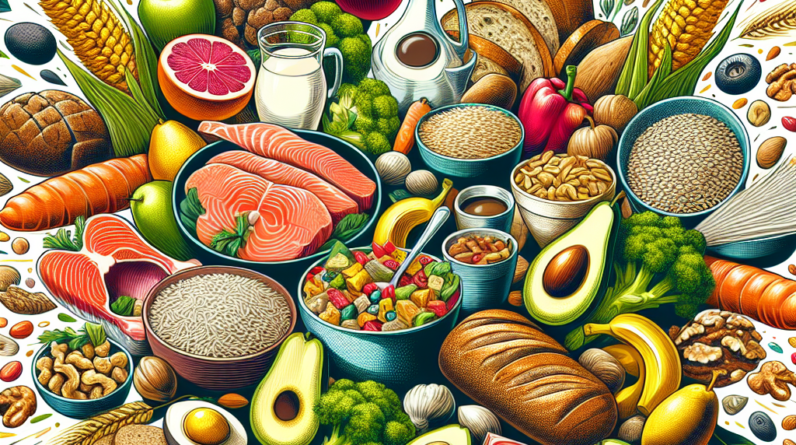
When it comes to health, one of the most critical factors is achieving nutritional balance in meals. This concept goes beyond simply eating healthy; it involves understanding how different food groups work together to support optimal well-being. Studies show that maintaining a balanced diet can significantly impact your energy levels, mood, and overall health. But what does it really mean to have nutritional balance in meals?
Nutritional balance in meals refers to the ideal proportion of nutrients your body requires to function effectively. This includes carbohydrates, proteins, fats, vitamins, and minerals. By ensuring that each meal is designed with these components in mind, you can enhance your physical health and mental clarity. This guide will explore how to achieve nutritional balance in meals, providing you with actionable steps to thrive in health.
Understanding Nutritional Balance in Meals
What is Nutritional Balance?
Nutritional balance represents a state where your meals provide the right mix of macronutrients (carbohydrates, proteins, and fats) and micronutrients (vitamins and minerals). It’s about creating meals that not only satisfy hunger but also nourish the body. For example, a meal consisting of grilled chicken, quinoa, and steamed broccoli offers a well-rounded profile of nutrients.
The importance of achieving nutritional balance in meals cannot be overstated. Research indicates that individuals who consume a balanced diet are less likely to develop chronic diseases, maintain better weight control, and enjoy improved mental health.
Why is Nutritional Balance Important?
- Energy Levels: Balanced meals help maintain steady energy throughout the day.
- Weight Management: Eating the right proportions of nutrients can prevent overeating.
- Mood Regulation: Certain nutrients are linked to mental health and emotional well-being.
- Reduced Disease Risk: A balanced diet can lower the risk of conditions like obesity, diabetes, and heart disease.
Key Components of Nutritional Balance in Meals
Macronutrients Explained
To achieve nutritional balance in meals, it’s essential to understand macronutrients:
- Carbohydrates: They are the body’s primary energy source. Focus on whole grains, fruits, and vegetables.
- Proteins: Vital for muscle repair and growth. Include lean meats, legumes, and dairy in your diet.
- Fats: Necessary for hormone production and nutrient absorption. Opt for healthy fats from sources like avocados, nuts, and olive oil.
Micronutrients: The Unsung Heroes
While macronutrients get most of the attention, micronutrients play a critical role in your health. Vitamins and minerals support various bodily functions:
- Vitamin C: Important for immune health and skin.
- Calcium: Essential for strong bones and teeth.
- Iron: Vital for transporting oxygen in the blood.
- Folate: Necessary for cell division and the production of DNA.
Practical Tips for Achieving Nutritional Balance
Meal Planning Strategies
Implementing nutritional balance in meals can be achieved through effective meal planning. Here are some strategies:
- Divide Your Plate: Use the plate method: fill half with vegetables, a quarter with protein, and a quarter with grains.
- Prep Ahead: Prepare meals in advance to avoid last-minute unhealthy choices.
- Stay Hydrated: Drink plenty of water throughout the day, as hydration supports digestion and nutrient absorption.
- Mindful Eating: Pay attention to portion sizes and eat slowly to recognize hunger cues.
Examples of Balanced Meals
Here are some examples of meals that exemplify nutritional balance:
- Breakfast: Oatmeal topped with berries and a dollop of almond butter.
- Lunch: Grilled salmon with a quinoa salad loaded with vegetables.
- Dinner: Stir-fried tofu with brown rice and mixed vegetables.
- Snack: Greek yogurt with honey and walnuts.
References and Resources
These resources provide valuable information about nutritional balance in meals. Check them out for additional insights:
Authoritative Sources on nutritional balance in meals
-
Nutrition and healthy eating Healthy diets
www.mayoclinic.orgHealthy diets include a variety of foods from major food groups, emphasizing the importance of balance.
-
Healthy Eating Plate – The Nutrition Source
nutritionsource.hsph.harvard.eduGuidelines for building a healthy and balanced diet, focusing on vegetables and fruits.
-
Healthy Eating 101: Nutrients, Macros, Tips, and More
www.healthline.comComprehensive guide on high-nutrient foods and their importance for health.

Good Health Solution is Easier Than Most People Think!
Take a Look for Yourself!
-
Make healthy meals with Canada’s food guide plate
food-guide.canada.caAdvice for choosing foods with little to no added sugars or saturated fats.
-
Eating a balanced diet
www.nhs.ukGuidelines on including a variety of foods for a balanced diet.
-
What is a Balanced Diet? – Student Wellness
wellness.uoguelph.caOverview of key components for a balanced diet.
-
The Ultimate Guide to Balanced Nutrition: How Ready to Eat Meals Can Simplify Your Life
macrofoods.caInsights on balancing nutrition with busy lifestyles.
-
Healthy eating basics | Heart and Stroke Foundation
www.heartandstroke.caFundamental principles of healthy eating.
-
7-Day Healthy and Balanced Meal Plan Ideas
www.verywellfit.comSample meal plans focusing on balanced nutrition.
Frequently Asked Questions
What does nutritional balance in meals mean?
Nutritional balance in meals refers to the appropriate proportions of macronutrients and micronutrients that your body needs to function optimally. This includes a mix of carbohydrates, proteins, fats, vitamins, and minerals.
How can I achieve nutritional balance in meals?
To achieve nutritional balance in meals, focus on incorporating a variety of food groups. Aim for half your plate to be vegetables and fruits, one-quarter for whole grains, and one-quarter for lean proteins. Meal planning and prepping can also help maintain balance.
Why is nutritional balance in meals critical for health?
A balanced diet supports energy levels, weight management, and overall health. It reduces the risk of chronic diseases and enhances mental well-being. Consuming a variety of nutrients ensures that the body gets what it needs to thrive.
Can nutritional balance in meals improve mental health?
Yes, numerous studies suggest that certain nutrients play a significant role in mental health. A diet rich in omega-3 fatty acids, for instance, can help reduce symptoms of depression and anxiety.
What are some examples of nutritionally balanced meals?
Examples of nutritionally balanced meals include grilled chicken with quinoa and vegetables, oatmeal topped with berries, and stir-fried tofu with brown rice. Each meal offers a blend of macronutrients and micronutrients.
Conclusion
In summary, achieving nutritional balance in meals is essential for optimal health and well-being. By understanding the components of a balanced diet and applying practical tips for meal planning, individuals can significantly enhance their quality of life. Remember, a well-balanced meal not only fuels the body but also nourishes the mind. Start today by evaluating your meals and making small adjustments towards better nutrition!