The conversation around nutrition is evolving. With an increasing number of studies linking diet to overall health, the focus on building a better diet is more relevant than ever. Did you know that nearly 70% of the American population is classified as overweight or obese? This statistic highlights the urgent need for effective strategies that prioritize healthy eating habits. Building a better diet not only aids in weight management but also plays a crucial role in preventing chronic diseases.
Emphasizing whole foods, balanced meals, and mindful eating can radically transform health outcomes. This article will outline essential strategies for building a better diet, from understanding nutritional needs to practical tips for daily implementation. By the end, readers will be equipped with actionable insights to foster a healthier lifestyle.
Understanding the Importance of Building a Better Diet
A healthy diet is the foundation of good health. Research consistently shows a direct correlation between diet and well-being.
1. **Nutritional Balance**: Building a better diet means prioritizing a mix of macronutrients—proteins, fats, and carbohydrates. Each plays a unique role in bodily functions.
2. **Disease Prevention**: A well-rounded diet rich in fruits, vegetables, and whole grains can reduce the risk of conditions such as diabetes, heart disease, and certain cancers.
3. **Mental Health**: Emerging studies suggest that nutrition impacts mental well-being. For example, omega-3 fatty acids found in fish are linked to reduced depression rates.
4. **Longevity**: Diets rich in plant-based foods are associated with longer lifespans. The Mediterranean diet, for instance, is renowned for its health benefits, including reduced inflammation and improved heart health.
Understanding these aspects underscores the significance of building a better diet for long-term health.
Key Principles for Building a Better Diet
When embarking on the journey to build a better diet, several key principles should guide your choices:
1. Focus on Whole Foods
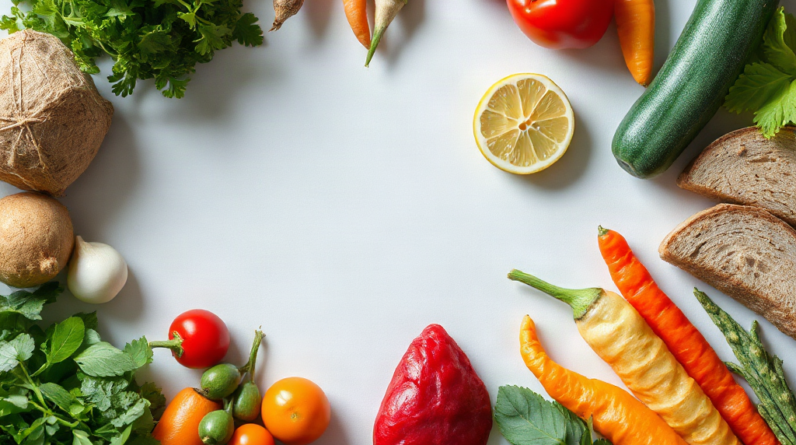
Whole foods—unprocessed or minimally processed—should form the cornerstone of your meals. Examples include:
– Fresh fruits and vegetables
– Whole grains like brown rice and quinoa
– Lean proteins such as chicken, fish, and legumes
– Healthy fats from sources like avocados and nuts
By prioritizing these foods, you not only enhance your nutritional intake but also avoid the pitfalls of added sugars and unhealthy fats found in processed foods.
2. Portion Control and Mindful Eating
Practicing portion control is essential for maintaining a balanced diet. Consider these strategies:
– Use smaller plates to help manage portion sizes.
– Pay attention to hunger cues and eat only until satisfied, not stuffed.
– Avoid distractions while eating—this can lead to overeating.
Mindful eating encourages a deeper appreciation for food, aiding in digestion and satisfaction.
3. Variety is Key
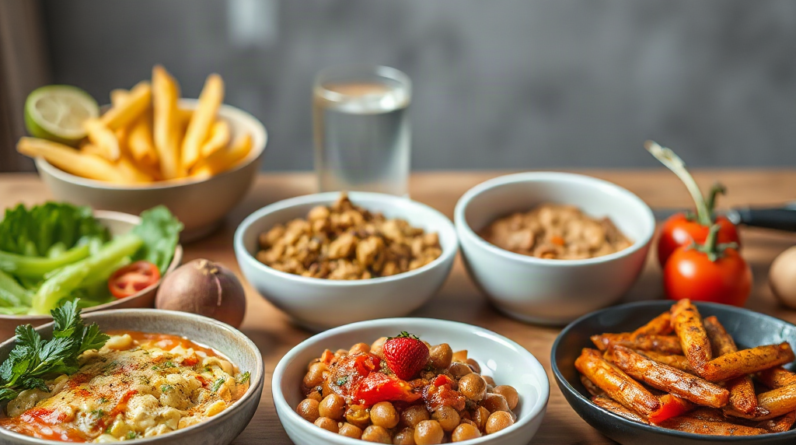
Building a better diet isn’t about deprivation; it’s about diversity. Incorporating a wide range of foods ensures you get a broad spectrum of nutrients. Aim for:
– Different colors of fruits and vegetables to maximize vitamins and minerals.
– A mix of protein sources, including plant-based options like beans and tofu.
– Various cooking methods, such as grilling, steaming, and roasting, to keep meals interesting.
By embracing variety, you can enhance both the taste and nutritional quality of your meals.
Practical Steps for Building a Better Diet
Implementing the principles above can be simplified through practical steps. Here’s a roadmap to guide you:
1. Meal Planning
Planning meals ahead can save time and reduce unhealthy impulses. Follow these steps for effective meal planning:
1. Set aside time each week to plan meals.
2. Create a shopping list based on your meal plan to avoid impulse buys.
3. Prepare meals in batches to simplify weekday cooking.
Meal planning not only streamlines your diet but also helps maintain focus on building a better diet.
2. Smart Snacking
Snacking can derail healthy eating if not managed properly. Choose snacks that nourish rather than deplete energy. Consider:
– Fresh fruits like apples and bananas.
– Nuts and seeds for healthy fats and protein.
– Veggies with hummus for a satisfying crunch.
By keeping nutritious snacks on hand, you can maintain energy levels without compromising your dietary goals.
3. Stay Hydrated
Hydration often gets overlooked in discussions about diet. Water is crucial for digestion and overall health. Tips for staying hydrated include:
– Carrying a reusable water bottle for easy access.
– Infusing water with fruits or herbs for flavor.
– Setting reminders to drink water throughout the day.
Remember, enhancing your hydration is a fundamental part of building a better diet.
References and Resources
These resources provide valuable information about building a better diet. Check them out for additional insights:
Authoritative Sources on building a better diet
-
Healthy Eating Tips | Nutrition
www.cdc.govHealthy eating emphasizes fruits, vegetables, whole grains, dairy, and protein. This page includes a few quick and easy tips on how to make healthy dietary choices.
-
Essentials of Healthy Eating: A Guide
pmc.ncbi.nlm.nih.govAim for at least half of protein from plants—beans, nuts, seeds, whole grains, fruits, and vegetables. This resource provides comprehensive dietary guidelines.
-
Healthy Eating Plate – The Nutrition Source
nutritionsource.hsph.harvard.eduBuilding a Healthy and Balanced Diet… This resource provides visual guidance on creating balanced meals.
-
Life’s Essential 8 – How to Eat Better Fact Sheet
www.heart.orgCreate a Healthy Eating Pattern. This fact sheet outlines essential steps for maintaining a balanced diet.
-
8 tips for healthy eating
www.nhs.ukThe key to a healthy diet is to eat the right amount of calories for how active you are. This page outlines eight practical tips for healthier eating.
-
Healthy diet – WHO Fact Sheet
www.who.intA wide variety of foods, including fruits, vegetables, pulses, whole grains, and lean protein sources, help ensure a healthy diet.

Good Health Solution is Easier Than Most People Think!
Take a Look for Yourself!
-
Eating a balanced diet
www.nhs.ukThis resource explains how to eat a wide variety of foods and maintain a healthy body through balanced nutrition.
-
Healthy eating basics: tips and resources
www.heartandstroke.caThis resource emphasizes eating lots of vegetables and fruits, choosing whole grains, and limiting processed foods.
Frequently Asked Questions
What are the key components of building a better diet?
Key components include consuming a variety of whole foods, ensuring nutritional balance, practicing portion control, and staying hydrated. It’s essential to focus on fruits, vegetables, lean proteins, and whole grains.
How can I start building a better diet on a budget?
Start by planning meals around seasonal fruits and vegetables, which tend to be cheaper. Buy in bulk, utilize frozen produce, and prepare meals at home to save costs while still making nutritious choices.
What role does hydration play in building a better diet?
Hydration is crucial as it supports digestion, nutrient absorption, and overall health. Drinking adequate water helps maintain energy levels and can prevent overeating by reducing hunger cues.
Can snacks be part of building a better diet?
Absolutely! Smart snacking is essential. Choosing healthy options like fruits, nuts, or yogurt can provide energy and nutrients without the empty calories that come from junk food.
How can meal planning assist in building a better diet?
Meal planning helps in managing portion sizes, reducing food waste, and making healthier choices. It allows for a well-thought-out approach to nutrition, ensuring that all meals are balanced and nutritious.
Conclusion
Building a better diet is not merely a trend; it’s a lifestyle choice that can lead to significant health improvements. By focusing on whole foods, practicing mindful eating, and implementing practical strategies, anyone can enhance their dietary habits.
The journey toward building a better diet requires commitment and patience, but the rewards—better health, increased energy, and improved well-being—are well worth the effort. Start small, set achievable goals, and remember that every positive choice contributes to a nourishing future.