- Introduction
- Understanding the Basics of a Healthy Plate
- Components of a Balanced Meal
- Practical Tips for Building Your Plate
- How to Build a Healthy Plate in Different Diets
- FAQ
- Conclusion
Introduction
In 2025, knowing how to build a healthy plate is not just about eating the right foods; it’s about understanding how to create balance and harmony on your plate. With the increasing prevalence of health information available, it can be overwhelming. However, by focusing on simple strategies, anyone can learn to craft meals that nourish both body and mind.
Building a healthy plate involves more than just selecting healthy ingredients. It requires planning and portion control, ensuring that we get a diverse array of nutrients. In this article, I will share vital insights into how to build a healthy plate that fits your lifestyle and dietary needs.
Understanding the Basics of a Healthy Plate
The Concept of a Healthy Plate
The concept of a healthy plate revolves around portion control and balanced nutrition. In layman’s terms, it means filling your plate with a variety of foods that provide essential nutrients. By visualizing your plate as a pie chart, you can better allocate space to different food groups which can lead to healthier eating habits.
In 2025, a healthy plate typically includes fruits, vegetables, whole grains, lean proteins, and healthy fats. This model helps in curbing overeating by visually guiding how much of each food group to consume. The approach encourages diversity, making meals not just nutritious but also enjoyable.
Why Balance is Key
Knowing how to build a healthy plate means recognizing the importance of balance in our diets. Each food group plays a distinct role, and consuming a variety helps to meet our nutritional needs. For instance, proteins support muscle repair, while carbohydrates provide energy, and fats aid in nutrient absorption.
When meals lack balance, you may encounter energy dips, cravings, and digestive issues. Hence, incorporating a range of nutrients into your meals is crucial for optimal health. The idea is simple: the more balanced your plate is, the better you may feel physically and mentally.
Visualizing Your Healthy Plate
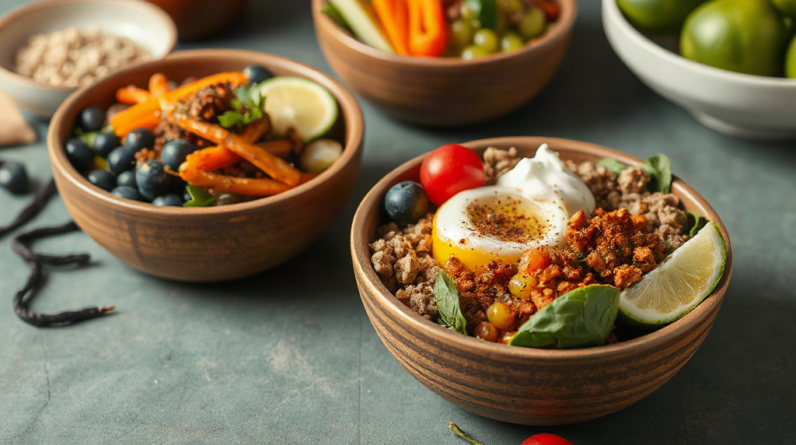
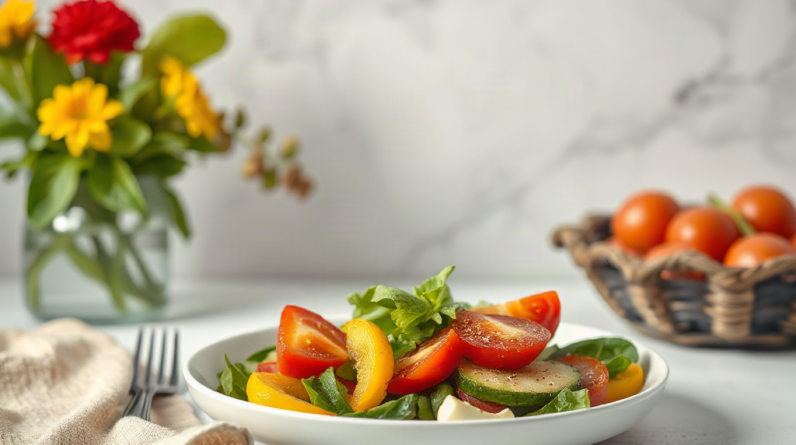
Visualizing your plate can help simplify the concept of how to build a healthy plate. Imagine dividing your plate into four sections: one quarter for proteins, another for whole grains, and the remaining half for fruits and vegetables. This visualization can guide your portion sizes more effectively.
Additionally, using different colored vegetables and fruits adds vibrancy to your plate and ensures diversity in nutrients. This visual representation not only makes meals more appealing but also encourages healthier eating patterns. By focusing on color, you can naturally increase your nutrient intake.
Understanding Portion Sizes
Portion sizes play a significant role in building a healthy plate. Understanding the appropriate serving sizes of each food group can prevent overeating and promote satiety. The general rule of thumb is to fill half your plate with vegetables and fruits, a quarter with lean proteins, and the remaining quarter with whole grains.
As we enter 2025, many resources, including apps and websites, can assist in portion control. These tools allow you to track your intake and better understand serving sizes, making it easier to create meals that align with how to build a healthy plate.
Components of a Balanced Meal
Selecting Lean Proteins
For those learning how to build a healthy plate, lean proteins should be a staple. Options such as chicken, turkey, tofu, and legumes not only supply necessary nutrients but also help in muscle repair and growth. These proteins can be easily integrated into meals to maintain a balanced diet.
By prioritizing lean proteins over fatty cuts of meat, you can reduce saturated fat intake while still enjoying delicious meals. Incorporating variety within this category, like fish or beans, not only provides essential amino acids but also enhances the meal’s flavor profile.
Incorporating Whole Grains
Whole grains are another vital component of how to build a healthy plate. Foods like brown rice, quinoa, and whole wheat pasta provide lasting energy and are rich in fiber. This makes them perfect for maintaining digestive health and keeping you satisfied throughout the day.
Transitioning from refined grains to whole grains can significantly impact overall health. Simple swaps, such as using whole-grain bread instead of white bread, can dramatically improve your diet’s nutritional quality without sacrificing taste.
Maximizing Fruits and Vegetables
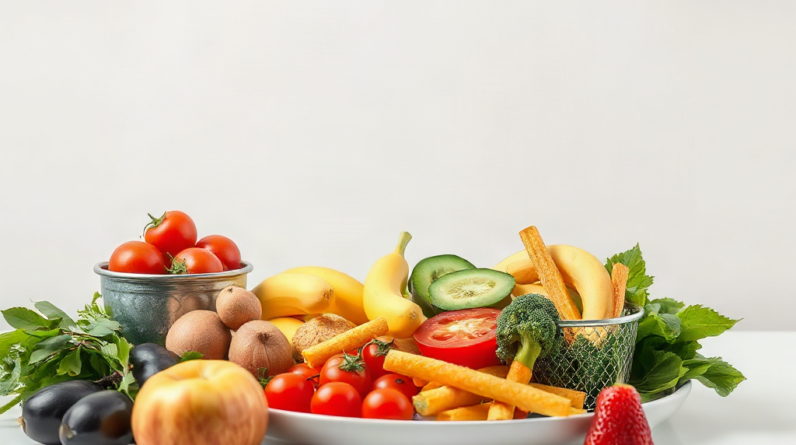
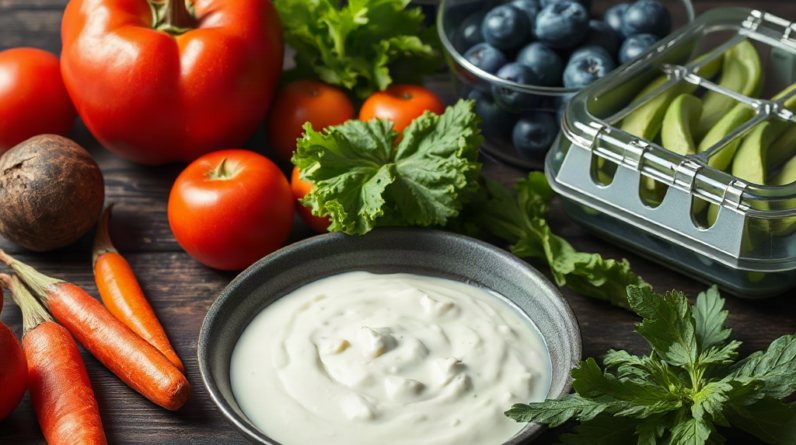
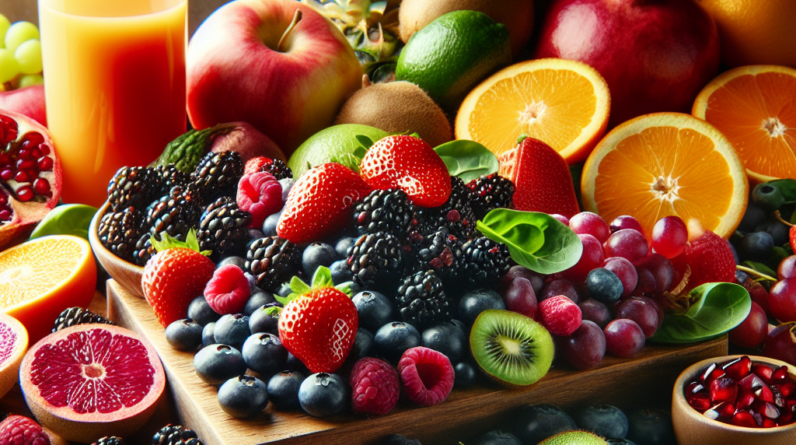
Fruits and vegetables should occupy a significant portion of your plate, reflecting their importance in a healthy diet. Packed with vitamins, minerals, and antioxidants, they contribute to overall well-being and can help in preventing chronic diseases.
To effectively maximize the benefits of fruits and vegetables, aim for at least five servings a day. This can be achieved by mixing fresh, frozen, or even canned varieties into your meals. The commitment to variety will offer different nutrients while keeping your meals exciting.
The Role of Healthy Fats
Healthy fats are important for brain function and hormone production and can be easily included in how to build a healthy plate. Sources like avocados, nuts, and olive oil not only enhance the flavor but also provide essential fatty acids necessary for our bodies.
While many fear fats, it’s crucial to be mindful rather than eliminate them. Including healthy fats in moderation can be beneficial, especially in achieving satiety during meals. It’s all about balance, making sure these fats complement proteins and carbohydrates in your meals.
Practical Tips for Building Your Plate
Meal Planning Strategies
Effective meal planning forms the backbone of how to build a healthy plate. Spending a little time each week to plan your meals can greatly improve your diet. It allows you to shop with purpose and prevent last-minute unhealthy choices.
Consider creating a weekly menu that incorporates all the necessary food groups. By knowing what you’ll eat in advance, you can focus on maintaining variety and balance in your diet. This structured approach aids in sticking to healthy eating habits.
Incorporating Seasonal Foods
Utilizing seasonal foods is a fantastic way to enhance how to build a healthy plate while supporting local agriculture. Seasonal fruits and vegetables are often fresher, tastier, and have higher nutrient content. Additionally, they can be more cost-effective if sourced locally.
Good Health Solution is Easier Than Most People Think!
Take a Look for Yourself!
This year in 2025, exploring local farmer’s markets can provide a great avenue for finding in-season produce. Not only does this support your local economy, but it also opens up new culinary adventures with each changing season.
Staying Hydrated
Hydration plays a crucial role in maintaining a healthy lifestyle, which, indirectly, affects how to build a healthy plate. Proper fluid intake ensures optimal digestion and helps in nutrient absorption. Aim to include water-rich foods like cucumbers and watermelons, along with your regular fluid intake.
Monitoring how much you drink can significantly influence your overall health. Keeping a water bottle handy and setting reminders can help incorporate hydration effortlessly into your daily routine, complementing your healthy eating habits.
Listening to Your Body
Understanding how to build a healthy plate also involves listening to your body’s hunger and fullness cues. It’s essential to eat mindfully, which means paying attention to the flavors and textures of your food while eating in a distraction-free environment.
By recognizing when you’re truly hungry versus eating out of boredom or stress, you can create a more intuitive relationship with food. This practice can lead to healthier choices and better portion control over time.
How to Build a Healthy Plate in Different Diets
Vegetarian and Vegan Options
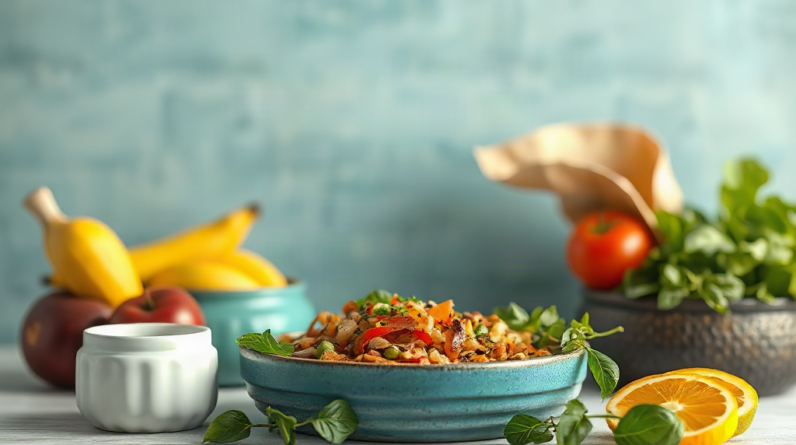
For those following vegetarian or vegan lifestyles, knowing how to build a healthy plate can be slightly different but equally rewarding. Incorporating a variety of plant proteins, such as lentils, chickpeas, and quinoa, ensures that you receive essential amino acids without meat.
Moreover, focusing on colorful vegetables and whole grains can create vibrant dishes that are not only healthy but also satisfying. The key is to ensure you are still getting a broad spectrum of nutrients from a diverse range of plant-based foods.
Gluten-Free Choices
Adapting how to build a healthy plate for gluten-free diets may seem challenging, but it opens the door to many delicious alternatives like rice, corn, and millet. Many fruits, vegetables, and proteins are inherently gluten-free, making it easy to create balanced meals without sacrificing flavor.
Utilizing gluten-free grains and experimenting with new recipes can diversify your meals, ensuring that they remain enjoyable and nutritious. Be sure to read labels carefully when shopping to avoid any hidden gluten in processed foods.
Low-Carb and Keto Diets
For those following low-carb or keto diets, understanding how to build a healthy plate focuses on high-quality fats and low-carb vegetables. Foods like avocados, leafy greens, and lean proteins should dominate your plate, allowing for satisfying meals without carbohydrates.
Emphasizing healthy fats and limiting carb intake requires creativity in meal preparation. Utilizing spices, herbs, and healthy cooking methods can elevate the taste and enjoyment of your meals while adhering to your dietary goals.
Heart-Healthy Plate
A heart-healthy plate centers on foods that promote cardiovascular health, which aligns perfectly with how to build a healthy plate. Focus on incorporating whole grains, fruits, vegetables, and lean proteins that are low in saturated fat.
Limiting processed foods and added sugars while increasing the intake of omega-3 fatty acids, found in fish and flaxseeds, can greatly benefit heart health. Maintaining this nutritional approach ensures that meals are delicious and contribute to overall wellness.
FAQ
What is the best way to learn how to build a healthy plate?
The best way to learn how to build a healthy plate is through education and practice. Familiarize yourself with the food groups, portion sizes, and the importance of balance. Planning meals and experimenting with new recipes can help reinforce these concepts.
How can I make healthy eating more enjoyable?
Making healthy eating enjoyable involves experimenting with flavors and textures. Incorporate your favorite herbs and spices into meals and try new cooking methods. Additionally, involving family or friends in cooking can create a fun, collaborative atmosphere.
How do I know if my plate is healthy enough?
You can determine if your plate is healthy by assessing its variety and balance. A good rule of thumb is for half your plate to consist of fruits and vegetables, with a quarter dedicated to lean proteins and the remaining quarter for whole grains. Food variety is also key to ensuring you receive necessary nutrients.
Are there specific guidelines for building a healthy plate for children?
Building a healthy plate for children should focus on balanced portions and colorful foods. Encourage them to try various fruits and vegetables and to include whole grains and lean proteins. Making meals engaging and visually appealing can help instill healthy eating habits from a young age.
What role does hydration play in how to build a healthy plate?
Hydration is essential as it supports digestion, nutrient absorption, and overall health. Including water-rich foods and drinking adequate fluids ensures your body functions optimally. Staying hydrated can complement your meals and keep you feeling energized throughout the day.
Conclusion
In 2025, the knowledge of how to build a healthy plate remains crucial for maintaining overall well-being. By incorporating a balanced array of food groups, you can ensure that your meals are not only nutritious but also satisfying. Ultimately, taking these insights to heart will empower you to make choices that benefit your health for years to come.
Good Health Solution is Easier Than Most People Think!
Take a Look for Yourself!
Find out more information about “how to build a healthy plate”
Search for more resources and information: