- 1. Prioritize Whole, Unprocessed Foods
- 2. Balance Your Macronutrients Effectively
- 3. Incorporate Functional Foods and Superfoods
- 4. Practice Portion Control and Mindful Eating
- 5. Hydrate Wisely with Smart Beverage Choices
- 6. Plan and Prepare Meals in Advance
- 7. Stay Consistent and Adapt to Trends in 2025
1. Prioritize Whole, Unprocessed Foods
Understanding Whole Foods and Their Benefits
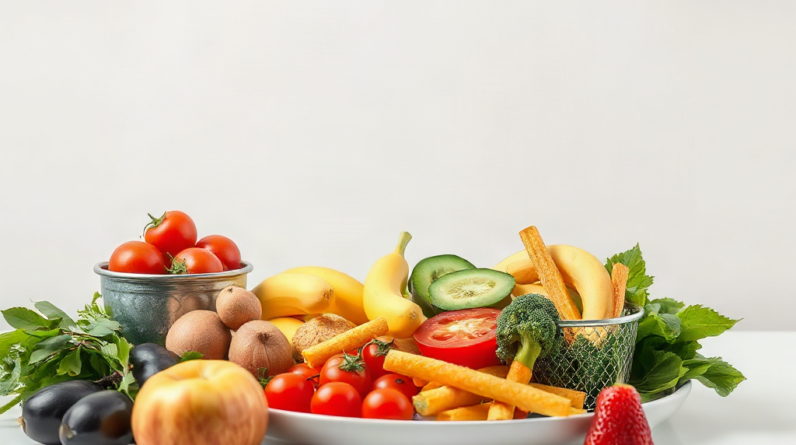
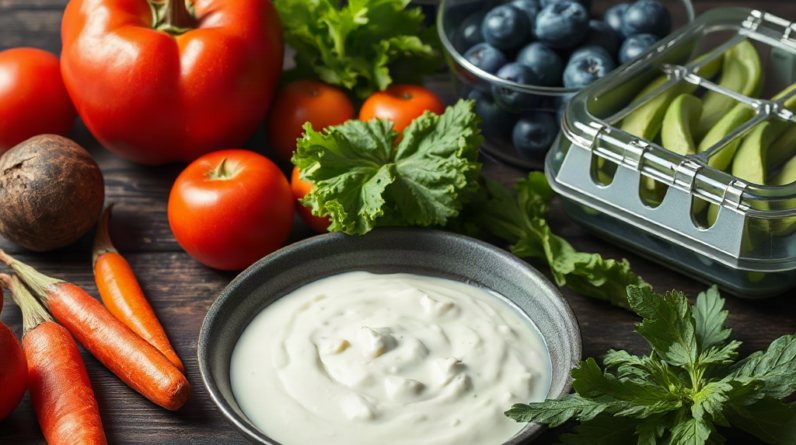
In 2025, understanding how to eat for health starts with the foundation of whole, unprocessed foods. These are foods that are minimally altered from their natural state, such as fruits, vegetables, nuts, seeds, whole grains, and lean meats. Incorporating these into your daily diet provides essential nutrients that are often lost in processed foods. For example, fresh berries offer antioxidants that processed snacks can’t match.
Eating whole foods isn’t just about nutrition; it’s also about promoting better digestion, maintaining stable energy levels, and supporting overall well-being. Recent studies in 2025 continue to emphasize that diets rich in whole foods are linked to lower risks of chronic diseases like heart disease, diabetes, and certain cancers. For instance, a report from the World Health Organization highlights that increasing fruit and vegetable intake can reduce mortality rates significantly.
Practical tips include shopping the perimeter of the grocery store where fresh produce, dairy, and meats are typically located, rather than aisles full of processed items. Preparing meals at home helps you control ingredients and avoid additives. By making whole foods the core of your diet, youâre naturally learning how to eat for health in a sustainable and enjoyable way.
Building a Balanced Plate
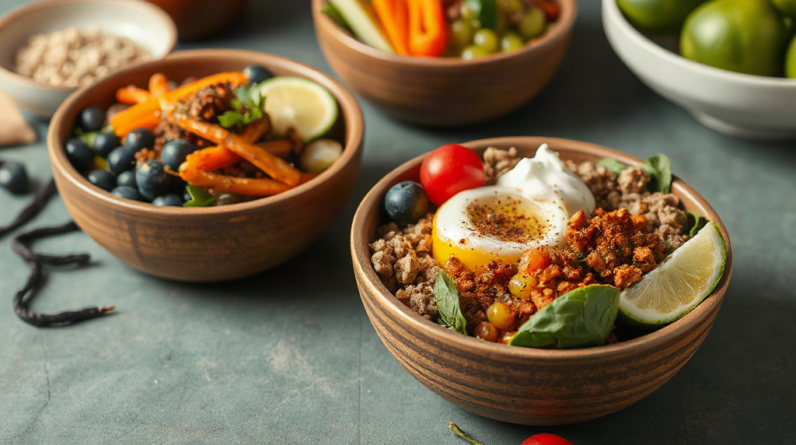
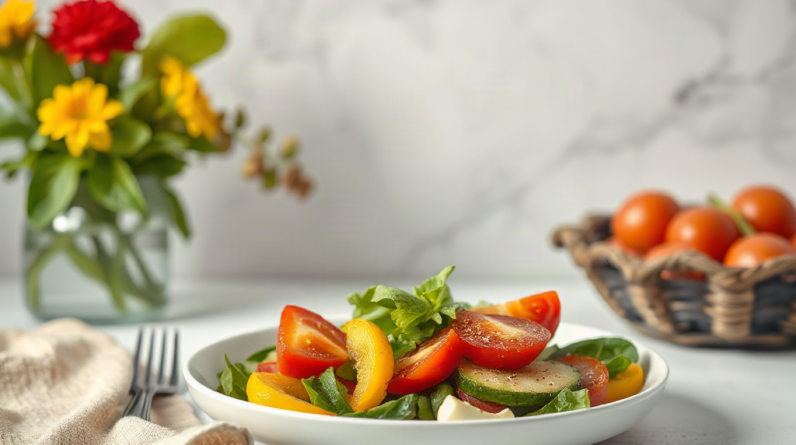
My experience shows that a balanced plate is key to consistent health improvements. Aim for half your plate to be filled with vegetables and fruits, a quarter with lean proteins, and a quarter with whole grains. This proportion ensures a nutrient-dense and satisfying meal, helping you learn how to eat for health effectively.
In 2025, technology makes it easier to track your intake and ensure you’re consuming enough whole foods. Apps now provide barcode scanning and meal suggestions based on your health goals. This ensures you’re nourishing your body with every meal.
Adopting the habit of including a variety of colorful produce daily not only boosts nutrient diversity but also makes eating visually enjoyable, reinforcing your commitment to healthy eating habits.
2. Balance Your Macronutrients Effectively
Understanding Macronutrient Roles
Knowing how to eat for health in 2025 means understanding the importance of balancing carbohydrates, proteins, and fats. Each macronutrient plays a vital role: carbs fuel your energy, proteins support muscle repair, and healthy fats promote brain health. For health-conscious individuals, a balanced intake can prevent nutrient deficiencies and stabilize blood sugar levels.
For example, incorporating complex carbs like quinoa or sweet potatoes, paired with lean proteins such as chicken or legumes, creates a meal that sustains energy and improves satiety. Healthy fats from avocados or nuts also support cellular functions and hormonal balance.
Recent research suggests that a Mediterranean-style diet, which emphasizes healthy fats and lean proteins, remains one of the best models for balanced eating in 2025. Tailoring macronutrient ratios to your activity level and health goals is crucialâathletes may need more carbs, while those focusing on weight loss might prioritize proteins and healthy fats.
Timing and Distribution of Macronutrients
Timing your intake of macronutrients can boost your health in 2025. Eating smaller, well-distributed meals throughout the day prevents energy crashes and reduces overeating. For instance, including protein in every meal aids muscle maintenance and keeps you full longer.
For busy professionals, planning meals around your activity schedule can optimize how your body uses nutrients. Examples include a protein-rich breakfast with eggs and vegetables or a moderate carbohydrate lunch before afternoon activity.
Tracking your intake using apps or wearable devices allows you to fine-tune your macronutrient distribution, ensuring you’re on track to meet your health goals and learn how to eat for health efficiently.
3. Incorporate Functional Foods and Superfoods
What Are Functional Foods?
Functional foods offer health benefits beyond basic nutrition, and in 2025, they continue to grow in popularity. These include foods fortified with vitamins, minerals, probiotics, or antioxidants. Incorporating these into your diet can enhance immune function, gut health, and cognitive performance.
Examples include yogurt with live probiotics, fortified plant-based milks, or foods rich in omega-3 fatty acids like chia seeds. Using functional foods smartly provides an extra layer of support as you learn how to eat for health in today’s fast-paced world.
Research in 2025 indicates that diversifying your diet with a variety of superfoods, such as açai berries, spirulina, or turmeric, can significantly impact your chronic disease risk reduction and overall vitality.
Practical Tips to Incorporate Superfoods
Add a handful of nuts or seeds to your breakfast oatmeal, blend berries into smoothies, or sprinkle turmeric into stir-fries. Small daily additions can build up into major health benefits over time. Experiment with incorporating one new superfood each week to keep your diet interesting.
By integrating functional foods into your routine, you gain more control over your nutrient intake and support long-term health goals, reinforcing how to eat for health in 2025.
These choices not only improve your diet but also support sustainable food practices and encourage mindful eating habits.
4. Practice Portion Control and Mindful Eating
Understanding Portion Sizes
In 2025, mastering portion control is essential for maintaining a healthy weight and energy balance. Recognizing appropriate serving sizes prevents overeating and promotes better digestion. Use measuring cups or visual guides, such as a deck of cards for portioning proteins or a tennis ball for carbs.
In my experience, paying attention to hunger and fullness cues is more sustainable than strict calorie counting. Listen to your body’s signals and avoid eating out of boredom or stress.
Tip: Use smaller plates and bowls to naturally limit portion sizes. This simple trick helps you learn how to eat for health by making appropriate portions more satisfying visually and psychologically.
Practicing Mindfulness During Meals
Eating mindfully involves focusing entirely on your food, savoring each bite, and avoiding distractions like screens. This practice improves digestion, enhances satisfaction, and reduces overeating tendencies.
Mindful eating encourages you to slow down and recognize true hunger signals. For example, before eating, take a deep breath and assess whether you’re hungryârather than eating out of habit or emotional triggers.
In 2025, mindfulness apps and guided eating exercises make it easier than ever to incorporate this practice into daily routines, supporting your effort to learn how to eat for health.
Good Health Solution is Easier Than Most People Think!
Take a Look for Yourself!
5. Hydrate Wisely with Smart Beverage Choices
The Role of Hydration in Health
Proper hydration is crucial for optimal body function. In 2025, understanding how to eat for health includes choosing beverages that support your well-being. Water remains the best choiceâaim for at least 8 glasses daily, more if active or in hot climates.
Hydration influences digestion, skin health, energy levels, and detoxification processes. Incorporate herbal teas, infused waters, or electrolyte-balanced drinks when needed, especially after workouts or during hot weather.
Research shows that adequate hydration can aid weight management, reduce hunger, and improve cognitive function. Prioritize water and smart beverage choices to stay healthy and energized throughout the day.
Avoid Sugary and Artificial Drinks
In 2025, many processed drinks are loaded with added sugars and artificial ingredientsâcontributing to obesity, diabetes, and other health issues. Learning how to eat for health means minimizing consumption of sodas, sweetened coffees, and energy drinks.
Instead, opt for natural alternatives like freshly squeezed juice or homemade smoothies with minimal added sweeteners. Developing this habit helps stabilize blood sugar levels and supports long-term health.
Remember, small swaps like choosing sparkling water with a splash of lemon can make a big difference over time.
6. Plan and Prepare Meals in Advance
The Benefits of Meal Planning
Meal planning is a game-changer in learning how to eat for health in 2025. Preparing meals ahead of time reduces impulsive eating of unhealthy options and ensures you meet your nutritional goals. Whether it’s batch cooking on weekends or prepping ingredients daily, planning keeps you on track.
Planning also saves money, minimizes food waste, and provides control over ingredients and portion sizes. I recommend creating weekly menus, shopping with a list, and preparing meals in batches.
Using apps or meal kits with healthy recipes can simplify this process, making it easier to maintain a nutritious diet despite a busy schedule.
Meal Prep Tips for Success
Cook versatile ingredients like roasted vegetables, grilled chicken, or cooked grains that can be combined in multiple ways during the week. Store them in airtight containers for quick assembly.
Incorporate seasonal produce to maximize freshness and flavor. Simple prep techniques like chopping, marinating, or seasoning in advance make healthy eating more manageable and enjoyable.
These habits reinforce learning how to eat for health effectively and sustainably in 2025.
7. Stay Consistent and Adapt to Trends in 2025
Importance of Consistency
Consistency is the cornerstone of successful healthy eating habits. In 2025, staying on track involves small, sustainable changes rather than drastic diets. Making a habit of incorporating nutrient-dense foods daily creates lasting health benefits and helps you learn how to eat for health more naturally.
Track your progress with journals or apps, celebrate small victories, and adjust your routines as needed. Remember, long-term consistency beats short bursts of perfection.
People who maintain steady habits are more likely to see significant health improvements over time, making consistency the ultimate key in achieving your wellness goals.
Adapting to Current Trends and Innovations
The food landscape in 2025 is dynamic, with trends like plant-based diets, personalized nutrition, and sustainable eating gaining traction. Staying informed and flexible allows you to incorporate new, healthier options into your diet seamlessly.
Explore plant-based protein options, explore local food movements, or try innovative meal delivery services that emphasize health and sustainability. These trends can help refresh your routine and keep you motivated.
By adapting trends thoughtfully, youâre reinforcing your knowledge of how to eat for health and ensuring your diet remains relevant and exciting.
Frequently Asked Questions
1. What does “how to eat for health” really mean in 2025?
It involves making informed, balanced choices that prioritize nutrient-dense foods, adequate hydration, mindful eating, and sustainable habits that support long-term wellness.
2. How can I start learning how to eat for health?
Begin by incorporating more whole foods, tracking your intake, practicing mindful eating, and planning your meals ahead of time. Small, consistent steps are most effective.
3. Are superfoods necessary for a healthy diet?
No, but adding superfoods like berries, seeds, and greens can boost nutrient intake and support your health goals when incorporated thoughtfully.
4. How important is hydration in learning how to eat for health?
Very important! Proper hydration supports digestion, detoxification, energy, and overall bodily functions. Prioritizing water and smart beverages is essential.
5. How do I stay motivated to stick with healthy eating in 2025?
Set realistic goals, track your progress, experiment with new recipes, and stay updated on current health trends. Consistency and flexibility are your best allies.
Conclusion
Learning how to eat for health in 2025 is about making mindful, balanced choices that nourish your body and mind. By prioritizing whole foods, balancing macro-nutrients, incorporating superfoods, and planning ahead, you set yourself up for a healthier, more vibrant life. Remember that consistency and adaptability are keyâhealthful eating is a journey, not a quick fix. Embrace these seven effective tips and commit to your wellness in 2025. Your future self will thank you for the effort you put in today to learn how to eat for health effectively and sustainably.