1. Prioritize Plant-Based Foods
Emphasize Fruits and Vegetables
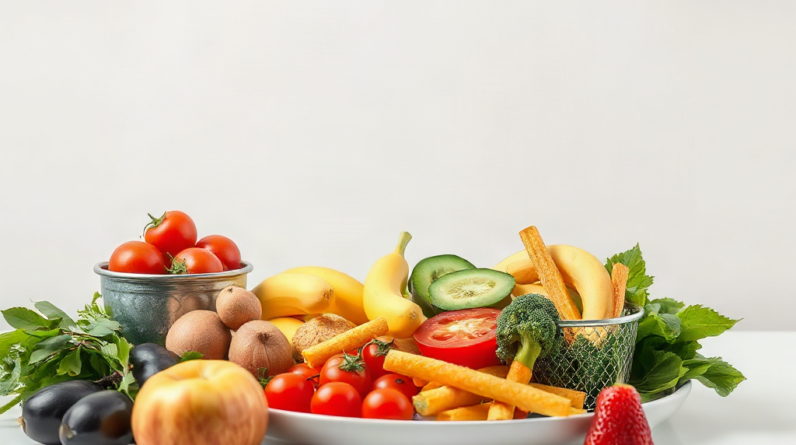
In 2025, more experts agree that a diet rich in fruits and vegetables is one of the most effective eating habits for longevity. These foods are packed with antioxidants, vitamins, and fiber, all of which support cellular health and reduce the risk of chronic diseases. For example, blueberries and leafy greens like spinach and kale are known for their anti-inflammatory properties that can help delay aging processes.
Switching to a primarily plant-based diet doesnât mean sacrificing taste or variety. Incorporate colorful vegetables into your meals and enjoy fruits as snacks or desserts. Not only do they enhance flavor, but they also provide essential nutrients that promote longevity.
Studies in 2025 show that populations with high vegetable and fruit consumption tend to have longer lifespans. For instance, Mediterranean diets emphasize plant-based foods and have been linked to increased longevity worldwide. Start by adding an extra serving of vegetables to your plate daily and gradually increase as part of your eating habits for longevity.
The Power of Legumes and Nuts
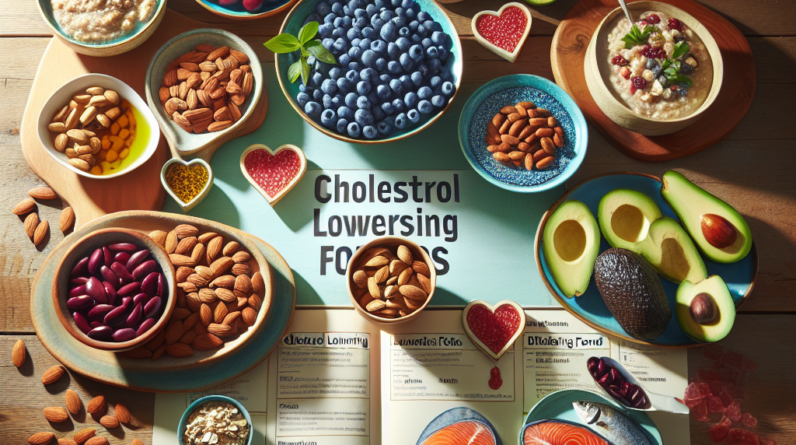
Legumes like lentils, chickpeas, and beans are excellent sources of plant protein and fiber. Including these in your diet supports heart health and improves digestion, both crucial for longevity. Nuts such as almonds and walnuts are rich in healthy fats and antioxidants, contributing to brain health and reducing inflammation.
In 2025, incorporating moderate servings of plant-based proteins can help diversify your diet and foster healthy aging. Aim for a handful of nuts daily and include legumes in your weekly meal planning for optimal health benefits.
Enjoy them as snacks, in salads, or blended into smoothies. These choices align perfectly with effective eating habits for longevity.
2. Practice Intermittent Fasting
What Is Intermittent Fasting?
Intermittent fasting (IF) involves cycling between periods of eating and fasting. Itâs gained popularity in 2025 as an effective strategy to promote longevity. Research indicates that IF can enhance cellular repair processes, improve metabolic health, and even extend lifespan.
Popular methods include the 16:8 approach, where you fast for 16 hours and eat within an 8-hour window, and the 5:2 method, which involves eating normally five days a week and restricting calories on two non-consecutive days. These routines are manageable, especially for those looking to adopt sustainable eating habits for longevity.
Implementing intermittent fasting can lead to weight loss, better blood sugar regulation, and reduced inflammation, all contributing to a longer, healthier life. Consult with a healthcare professional before starting, particularly if you have existing health conditions.
Itâs Not Just About Fasting, But Mindful Eating
Successful practice of intermittent fasting also involves mindful eating during non-fasting periods. Focus on nutrient-dense foods to maximize health benefits. Avoid overeating or consuming highly processed foods during your eating windows.
In 2025, combining fasting with a balanced diet enhances its longevity benefits. Prepare healthy meals ahead of time and listen to your bodyâs hunger cues to maintain effective eating habits for longevity.
3. Incorporate Healthy Fats
The Role of Omega-3s and Monounsaturated Fats
Healthy fats are essential for brain function, inflammation control, and cardiovascular health, all key components of effective eating habits for longevity. Omega-3 fatty acids, found in fatty fish like salmon and mackerel, are linked to reduced risk of heart disease and cognitive decline.
In addition, monounsaturated fats in olive oil, avocados, and nuts support cell integrity and reduce inflammation. As we see in 2025, integrating these healthy fats into daily meals can significantly improve long-term health outcomes.
Try replacing saturated fats with healthier options and use olive oil as your primary cooking fat to boost your longevity prospects.
Medium-Chain Triglycerides (MCTs)
MCTs, found in coconut oil, are rapidly metabolized for energy and have been associated with improved metabolic rate and brain health. Incorporating MCTs into your diet as part of your eating habits for longevity can support sustained energy levels and mental clarity.
Use coconut oil in your smoothies or cooking to enjoy the benefits. Small dietary changes like these can make a substantial difference in aging healthfully in 2025.
4. Limit Processed Foods and Sugars
The Impact on Aging and Disease
One of the most critical components of effective eating habits for longevity is reducing intake of processed foods and added sugars. These items contribute to inflammation, obesity, diabetes, and cardiovascular diseases, which are major aging accelerators.
Data from 2025 shows that high sugar consumption correlates with a decreased lifespan and increased age-related diseases. Focus on whole, unprocessed foods to ensure your diet supports a healthy aging process.
Substitute sugary snacks with fresh fruit and choose whole food options whenever possible. Cutting back on sugar and processed foods is a practical step toward longer, healthier living.
Reading Labels and Making Better Choices
Learn to read food labels carefully to identify hidden sugars and preservatives. Many packaged foods contain additives that can negatively impact health over time. Making conscious choices helps establish eating habits for longevity that promote cellular health and prevent disease.
Gradually replacing processed snacks with nuts, seeds, or fruit will help you build healthier eating routines for a longer life in 2025.
5. Stay Hydrated with Quality Water
The Hydration and Longevity Connection
Staying well-hydrated is vital for maintaining overall health and optimizing bodily functions. Dehydration can lead to fatigue, cognitive decline, and increased risk of chronic illnessesâfactors that shorten longevity.
In 2025, focus on drinking plenty of clean, filtered water throughout the day. Aim for at least 8 cups daily, adjusting for activity level and climate. Proper hydration supports digestion, detoxification, and skin health, all essential for aging gracefully.
Adding herbal teas or infused water can boost your fluid intake while providing additional antioxidants and flavor.
Be Mindful of Drinking Habits
Limit sugary drinks and alcohol, which can contribute to health issues over time. Consistent hydration with water aids in maintaining healthy blood pressure and reduces inflammation. Implementing these simple habits significantly affects your lifespan and quality of life in 2025.
Good Health Solution is Easier Than Most People Think!
Take a Look for Yourself!
6. Emphasize Whole Grains
Choosing Nutrient-Dense Whole Grains
Switching from refined grains to whole grains is a hallmark of effective eating habits for longevity. Whole grains like oats, quinoa, brown rice, and barley contain more fiber, vitamins, and minerals than their processed counterparts.
Fiber improves digestion, controls blood sugar levels, and reduces cholesterolâall important for aging healthily. Research in 2025 underscores the benefits of whole grains for cardiovascular health and longevity, making them a dietary priority.
Incorporate whole grains into your meals as substitutes for white bread, pasta, and rice to get the maximum health benefits and promote longer life expectancy.
Meal Planning with Whole Grains
Plan your meals around whole grains by preparing hearty salads, grain bowls, or breakfast options like oatmeal. These choices help create sustainable, healthful eating habits that support aging well and prevent age-related diseases.
7. Consume Moderate Portions
The Principle of Caloric Moderation
Eating in moderation isnât just about calorie counting; itâs about understanding hunger cues and avoiding overeating. Keeping portion sizes reasonable helps prevent obesity-related illnesses, which are often linked to a shorter lifespan.
In 2025, mindful portion control is a key part of effective eating habits for longevity. Eating smaller, balanced meals regularly supports metabolic health and can reduce the risk of chronic diseases such as diabetes and heart disease.
Use smaller plates and serve balanced meals that include protein, healthy fats, and complex carbs to help stay on track with your longevity goals.
Practical Tips for Portion Control
Start by measuring portions until you get comfortable estimating them intuitively. Include protein and fiber-rich foods in each meal to promote satiety. Avoid eating straight from packages or mindless snacking.
These small steps can help you develop sustainable eating routines that contribute positively to your overall health and longevity.
8. Include Fermented Foods
Gut Health and Aging
Fermented foods like yogurt, kefir, sauerkraut, and kimchi are rich in probiotics, which support gut health. A healthy gut microbiome enhances immune function, reduces inflammation, and improves nutrient absorptionâall vital for longevity.
Research in 2025 indicates that maintaining a balanced microbiome can help prevent age-related diseases and cognitive decline. Incorporate fermented foods into your daily diet for long-term benefits.
Start by adding a spoonful of yogurt or a side of kimchi to your meals and gradually increase your intake to optimize gut health and promote healthy aging.
Making Fermented Foods at Home
Fermentation is simple and cost-effective. Learning to make your own fermented foods not only ensures freshness but also adds a personal touch. Use quality ingredients and follow trusted recipes to ensure safety and maximum probiotic benefits.
Adding these probiotic-rich foods aligns perfectly with your overall eating habits for longevity and can significantly improve your health span.
9. Balance Macronutrients
Creating a Nutritious Plate
Effective eating habits for longevity include ensuring your meals are balanced with appropriate proportions of protein, fats, and carbohydrates. This balance helps maintain energy, stabilize blood sugar, and support muscle mass as you age.
In 2025, focus on high-quality protein sources, healthy fats, and complex carbs to optimize nutrient intake. For example, pairing grilled chicken with quinoa and vegetables provides a balanced, longevity-enhancing meal.
Use the plate method â filling half your plate with vegetables, a quarter with lean protein, and a quarter with whole grains â to foster healthy eating routines.
Monitoring Nutritional Intake
Keep track of your macronutrient ratios, especially if you’re aiming for specific health goals or managing chronic conditions. Apps and meal planning tools can help you stay consistent with your dietary goals for longevity.
Remember, variety and moderation are essential to avoid nutrient deficiencies and promote optimal health for a longer life.
10. Maintain Consistent Eating Schedules
The Benefits of Routine
Establishing regular meal times helps regulate your biological clock and improves digestion. Consistent eating habits for longevity support metabolic health, reduce overeating, and promote better sleep.
In 2025, syncing your eating schedule with natural circadian rhythms can enhance the benefits of your diet, leading to improved energy levels and aging well.
Try to eat at roughly the same times each day, with your largest meals earlier in the day to support digestion and metabolic efficiency.
Practical Tips for Routine Success
Plan your meals ahead of time and set reminders if necessary. Avoid late-night snacking and aim for a balanced breakfast, lunch, and dinner. Consistency builds habits that support long-term health and longevity.
Over time, these habits will become second nature and contribute to a healthier, longer life in 2025.
Frequently Asked Questions
- What are the best eating habits for longevity in 2025?
- Prioritizing plant-based foods, practicing intermittent fasting, incorporating healthy fats, limiting processed foods, and maintaining a balanced, consistent diet are some of the top habits for longevity in 2025.
- How does hydration impact longevity?
- Proper hydration supports digestion, detoxification, and cellular health, all of which are crucial for aging gracefully. Drinking quality water consistently is a simple yet effective habit for longevity.
- Can intermittent fasting support a longer life?
- Yes, intermittent fasting has been shown to enhance cellular repair, reduce inflammation, and improve metabolic health, making it one of the effective eating habits for longevity in 2025.
- Are whole grains important for longevity?
- Absolutely. Whole grains provide fiber and nutrients that support heart health and help prevent age-related diseases, making them a vital part of eating habits for longevity.
- How do I start developing effective eating habits for longevity?
- Begin by making small, sustainable changes like adding more vegetables, choosing whole grains, and establishing regular eating schedules. Consistency is key to long-term success.
Conclusion
Developing and maintaining the right eating habits for longevity is essential to living a longer, healthier life in 2025. From prioritizing plant-based foods and healthy fats to practicing mindful eating and staying hydrated, each habit plays a vital role in supporting your body’s aging process. Remember, small consistent changes can lead to significant long-term benefits. Embrace these ten strategies, and you’ll be well on your way to optimizing your longevity in 2025 and beyond.