Good digestion is essential for overall health and well-being, especially in 2025 when our lifestyles become more hectic and dietary challenges increase. If youâre looking for reliable tips for good digestion, you’ve come to the right place. In this comprehensive guide, I will share the top strategies backed by latest research and practical experience that can help optimize your gut health and ensure smoother digestion daily.
1. Prioritize a Fiber-Rich Diet
Understanding the Role of Fiber
Fiber is a powerhouse for digestion, and including enough in your daily diet can prevent constipation, promote beneficial gut bacteria, and support overall digestive health. According to recent studies, adults should aim for about 25-30 grams of fiber daily in 2025 for optimal gut function.
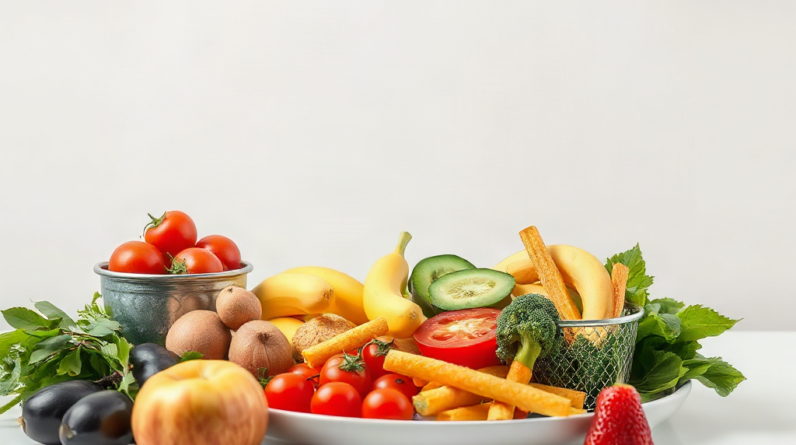
For example, adding oats, beans, fresh fruits, and vegetables can significantly boost your fiber intake. When I increased my fiber intake, I noticed a marked improvement in my digestion and energy levels over just a few weeks.
Types of Fiber and Their Benefits
There are two main types: soluble and insoluble fiber. Soluble fiber dissolves in water, forming a gel-like substance that can help lower cholesterol and stabilize blood sugar. Insoluble fiber adds bulk to stool, aiding in regular bowel movements.
Incorporating both types through diverse foods ensures your digestive system runs smoothly. Start gradually to avoid bloating, and increase fiber intake steadily for best results.
2. Stay Hydrated Throughout the Day
Why Water Matters for Digestion
Hydration is vital for breaking down food, absorbing nutrients, and softening stool. Many people underestimate how dehydration can lead to constipation and bloating. In 2025, the consensus among health authorities emphasizes drinking at least 8 cups of water daily, more if youâre active or live in a hot climate.
I make it a goal to carry a water bottle everywhere, which keeps me on track. Proper hydration not only supports digestion but also boosts overall vitality.
Tips for Maintaining Optimal Hydration
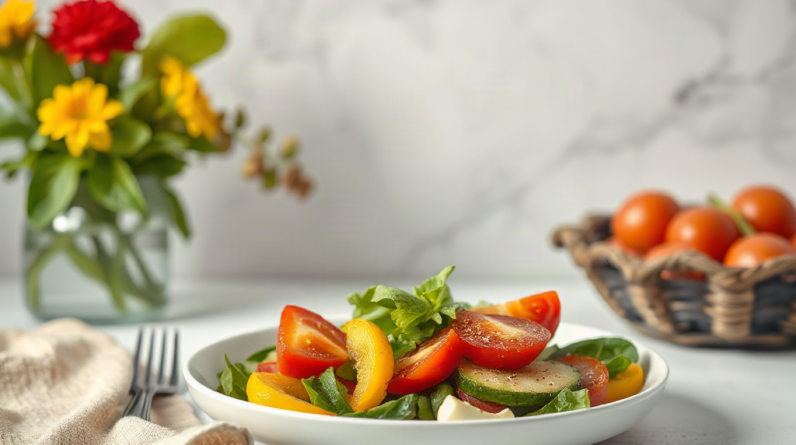
Start your day with a glass of water, sip regularly, and include hydrating foods like cucumbers, melons, and oranges in your diet. Avoid excessive caffeine and sugary drinks, which can dehydrate you.
Listening to your body’s thirst cues is essential, especially in 2025 when dehydration can sneak in unnoticed due to busy schedules.
3. Incorporate Probiotics and Prebiotics
Supporting Gut Microbiome
Probiotics are live beneficial bacteria that improve gut flora, while prebiotics fuel these good bacteria. Together, they enhance digestion, reduce inflammation, and may even boost immunity.
In 2025, supplement trends and fermented foods like yogurt, kefir, sauerkraut, and kimchi remain popular for maintaining a healthy microbiome.
Practical Ways to Include Them
Adding a serving of probiotic-rich foods daily can make a noticeable difference. If you prefer supplements, choose reputable brands with verified strains. Also, eating foods high in prebiotics such as garlic, onions, and bananas supports the growth of beneficial bacteria.
4. Practice Mindful Eating
The Power of Being Present
Eating mindfully involves paying full attention to your foodâits taste, texture, and aromaâand listening to your body’s hunger and fullness signals. This simple practice can help prevent overeating and reduce digestive discomfort.
Steps to Mindful Eating
Start by setting aside distractions like phones or TV. Take small bites, chew thoroughly, and savor each spoonful. In 2025, many clinics and wellness coaches recommend mindful eating as a primary strategy for better digestion and healthier weight management.
5. Maintain Regular Meal Times
The Importance of Routine
Consistency helps your digestive system anticipate and efficiently process food. Irregular eating patterns can disrupt gut motility leading to bloating and discomfort. In 2025, establishing regular schedules is a key part of optimizing digestion.
Good Health Solution is Easier Than Most People Think!
Take a Look for Yourself!
Tips for Creating a Routine
Try to eat meals at the same times each day and avoid skipping meals. If your schedule shifts, adjust your meal times gradually. My personal experience shows that maintaining a routine reduces indigestion and helps sustain energy levels throughout the day.
6. Limit Processed Foods and Sugar
Impact on Gut Health
Highly processed foods and excessive sugar can harm beneficial gut bacteria, leading to digestive issues and inflammation. In 2025, reducing intake of refined sugars and artificial additives is strongly recommended for gut health.
Practical Substitutions
- Swap sugary snacks for fruits and nuts
- Choose whole grains over refined grains
- Read labels carefully to avoid hidden sugars
7. Stay Active and Exercise Regularly
Physical Activity’s Role
Regular movement stimulates intestinal muscles, helping food move more efficiently through your digestive tract. Research in 2025 confirms that even moderate activities like walking improve digestion and reduce bloating.
Best Types of Exercise
Incorporate activities like walking, yoga, or cycling into your routine. Personally, I find that a 20-minute walk after meals significantly improves my digestion.
8. Manage Stress Effectively
Stress and Digestion
High stress levels can impair digestion by affecting gut motility and increasing inflammation. Techniques such as meditation, deep breathing, and mindfulness are proven to help in 2025.
Stress Management Tips
- Practice daily meditation
- Engage in hobbies that relax you
- Ensure regular breaks during busy days
9. Get Adequate Sleep
Sleep’s Impact on Gut Health
Proper sleep is essential for repair and regulation of digestive systems. Chronic sleep deprivation has been linked to increased gastrointestinal discomfort in recent research.
Improving Sleep Quality
Establish a calming bedtime routine, limit screen time before bed, and aim for 7-9 hours of sleep per night. My own routine includes reading and avoiding caffeine late in the day.
10. Consult Healthcare Providers When Needed
When to Seek Help
If you experience persistent digestive issues, itâs crucial to consult a healthcare professional. Sometimes, underlying conditions require specific treatments or dietary adjustments.
Preventative Care
Regular check-ups can help identify potential problems early. In 2025, advancements in gut health diagnostics make personalized care more accessible than ever.
Conclusion
Implementing these tips for good digestion in 2025 can transform your gut health and overall well-being. From dietary adjustments to lifestyle changes, each step brings you closer to a healthier, more comfortable digestive system. Remember, consistency is key, and consulting with healthcare professionals when necessary is essential for lasting results. Start today, and enjoy the benefits of excellent digestion!
Frequently Asked Questions
- What are the best tips for good digestion in 2025?
- Combining a fiber-rich diet, hydration, probiotics, and stress management are among the top tips for good digestion in 2025.
- How can I improve my gut health naturally?
- Eat diverse, fiber-rich foods, stay hydrated, exercise regularly, and include probiotic foods in your diet for natural gut health improvement.
- How important is stress management for digestion?
- Stress significantly impacts digestion, and managing it through relaxation techniques can prevent issues like bloating, indigestion, and inflammation.
- Are probiotics essential for good digestion?
- Probiotics help maintain a healthy balance of gut bacteria, which is vital for effective digestion and overall gut health.
- When should I see a doctor about digestion problems?
- If you experience persistent symptoms such as severe pain, unintentional weight loss, or lasting bloating, it’s important to consult a healthcare professional for proper diagnosis and treatment.