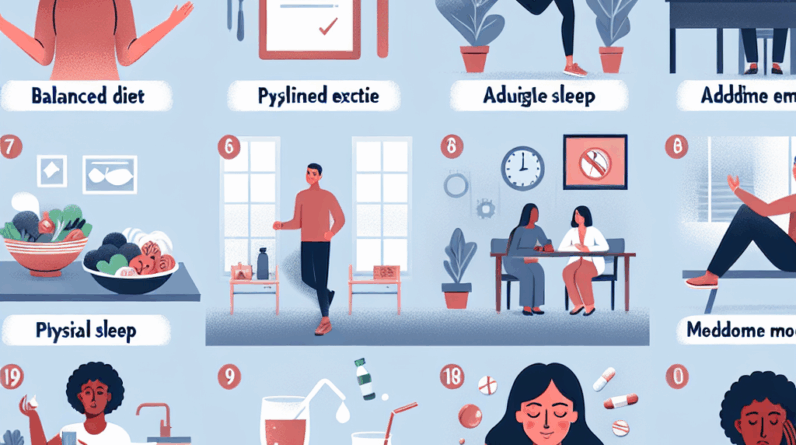
- 1. Prioritize a Nutrient-Rich Diet
- 2. Regular Physical Activity
- 3. Get Quality Sleep
- 4. Manage Stress Effectively
- 5. Hydrate Well and Limit Alcohol
- 6. Incorporate Probiotics and Gut Health Strategies
- 7. Stay Up-to-Date with Vaccinations
- 8. Practice Good Hygiene
- 9. Minimize Exposure to Toxins
- 10. Regular Health Check-ups & Supplements
1. Prioritize a Nutrient-Rich Diet
The Importance of Vitamins and Minerals
One of the most fundamental steps on how to build immunity is maintaining a balanced, nutrient-rich diet. Consuming foods packed with vitamins C, D, E, and minerals like zinc helps strengthen your immune system. For example, citrus fruits, leafy greens, nuts, and seeds are excellent sources that support immune function. In 2025, research continues to emphasize the role of micronutrients in immune health, with studies showing that deficiencies can impair immune responses.
A well-rounded diet not only boosts your immune defenses but also improves overall health. It’s a good idea to include a variety of colorful vegetables and fruits in your meals, giving your body access to a broad spectrum of nutrients. Consistent intake of these foods will serve as the foundation for building resilience against illnesses.
Additionally, consider incorporating immune-boosting superfoods like garlic, turmeric, and ginger. These foods contain bioactive compounds that can enhance your immune response. For example, garlic has been shown to have antimicrobial and immune-modulating properties that can help your body fight off infections more effectively.
Smart Meal Planning for Immunity
Planning your meals to include immune-boosting ingredients is a proactive way to improve your health in 2025. Try to include sources of lean protein such as chicken, fish, or plant-based options like beans and lentils, which are critical for immune cell production. Whole grains like oats, quinoa, and brown rice provide fiber and nutrients essential for gut healthâa key component of immune defense.
Research indicates that a Mediterranean-style diet rich in healthy fats, fruits, vegetables, and legumes can significantly improve immune function. Make it a goal to host weekly meal prep sessions focused on these nutritional priorities to ensure consistent intake.
Remember, sustainability mattersâaim for fresh, organic produce where possible, and reduce processed foods that may contain additives or excess sugar, which can compromise immune health over time. Small, consistent dietary changes are the best way to sustain good immunity long-term.
2. Regular Physical Activity
The Role of Exercise in Immune Function
Physical activity plays a crucial role in how to build immunity by promoting circulation, reducing inflammation, and supporting overall health. Moderate exerciseâsuch as brisk walking, cycling, or swimmingâhas been shown to boost the production of immune cells and antibodies that protect your body from pathogens. In 2025, experts highlight that regular, moderate workouts can enhance your immune response more than sedentary behavior.
Overtraining, however, can have the opposite effect, weakening your immunity and increasing your risk of illness. Striking a balance with consistent, moderate activity is key to maintaining optimal immune health as we move further into 2025.
For example, incorporating 150 minutes of brisk walking or cycling per week can improve immune surveillance and decrease the duration and severity of illnesses like colds and flu.
Making Exercise a Habit
To maximize immune benefits, set realistic goals for physical activity. Starting with small, achievable stepsâlike daily 10-minute walksâcan form the basis for a sustainable routine. Creating a schedule helps reinforce consistency and makes it easier to stay committed.
Consider combining aerobic exercises with strength training to support your overall fitness. Not only does this improve muscle mass and metabolism, but it also positively influences immune parameters. Remember to include rest days to allow your body recovery time, preventing burnout and injury.
Community classes, online workout routines, or walking groups are excellent ways to stay motivated and make physical activity enjoyable. As you develop a regular exercise routine in 2025, you’ll notice improvements in your energy, mood, and immune resilience.
3. Get Quality Sleep
The Link Between Sleep and Immunity
Understanding how to build immunity in 2025 includes recognizing the vital role sleep plays. During restful sleep, your body produces cytokines, a type of protein that helps combat infection and inflammation. Poor sleep or irregular sleep patterns can impair the production of these protective molecules, making you more susceptible to sickness.
Research shows that adults who sleep less than 6 hours per night are at a higher risk of respiratory infections. Consistent, quality sleep is essential for maintaining a healthy immune system, especially as new viruses and bacteria emerge in 2025.
To improve sleep quality, establish a calming bedtime routine, keep your bedroom cool and dark, and avoid screens before bed, as blue light can suppress melatonin production. Prioritizing sleep hygiene ensures your immune system remains robust and ready to defend your health.
Practical Tips for Better Sleep
Consider setting a regular sleep schedule, even on weekends, to regulate your body’s internal clock. Incorporate relaxing activities such as reading or meditation before bed to reduce stress and promote sleep. Avoid caffeine and heavy meals close to bedtime to prevent sleep disturbances.
Creating an environment conducive to sleepâfree from noise, light, and distractionâmakes a significant difference. If you struggle with sleep issues, consult healthcare providers about sleep assessments or potential underlying conditions that might be impairing your recovery.
Quality sleep isn’t just about quantity; it’s also about feeling rested and refreshed in the morning. Make sleep a priority in your 2025 health plan to support your immune resilience.
4. Manage Stress Effectively
The Impact of Stress on Immune Health
Chronic stress is a well-known factor that can suppress immune function, making your body less effective at fighting off pathogens. When under stress, your body releases cortisol, a hormone that, in excess, hampers the activity of immune cells such as lymphocytes. Understanding how to build immunity in 2025 also involves learning stress management techniques.
Studies in 2025 continue to confirm that individuals who practice stress reduction strategies have better immune markers and fewer illnesses. Mindfulness, meditation, and deep breathing exercises are powerful tools that can reverse some of the negative effects of chronic stress.
By managing stress proactively, you not only support your immune system but also improve your mental health and overall well-being, especially as societal pressures continue to evolve in 2025.
Practical Stress Reduction Techniques
Start by incorporating daily mindfulness practices like meditation or yoga. Even 10-minute sessions can significantly reduce cortisol levels over time. Journaling and engaging in hobbies you enjoy serve as excellent outlets for emotional expression and stress relief.
Prioritize social connections and open communication to foster support networks that can buffer against stress. Whenever possible, schedule regular breaks during your workday and ensure your self-care routines are consistent and sustainable.
Learning how to build immunity includes understanding the importance of mental health. Reducing stress enhances your immune response, enabling you to stay healthier and more resilient throughout 2025 and beyond.
5. Hydrate Well and Limit Alcohol
The Significance of Proper Hydration
Many overlook the simple but vital role that proper hydration plays in immunity. Water helps transport nutrients, remove toxins, and support lymphatic functionsâall essential for immune defense. In 2025, health experts emphasize that drinking enough water is fundamental for staying healthy and resisting illness.
The general recommendation is about 8 glasses (2 liters) daily, but individual needs vary based on activity, climate, and health status. Observing your body’s signals, such as thirst and urine color, helps guide hydration levels accordingly.
Dehydration can impair immune responses and slow down recovery from illnesses. Developing a hydration routine ensures your immune system functions optimally, especially during cold and flu season in 2025.
Limiting Alcohol to Boost Immunity
Excessive alcohol consumption can weaken immune responses by impairing the production of white blood cells and disrupting the gut microbiome. In 2025, research points to the importance of moderation or abstinence for immune health.
Try setting limits, such as no more than one drink per day, or substituting alcoholic beverages with healthy alternatives like herbal teas or infused water. This small change can have a big impact on your immune resilience and overall health.
Incorporate hydration alongside your efforts to reduce alcohol intake to support your immune system effectively and maintain optimal health throughout 2025.
6. Incorporate Probiotics and Gut Health Strategies
The Gut-Immune Connection
Did you know that about 70% of your immune system resides in your gut? Maintaining gut health is crucial in how to build immunity. Probiotics, prebiotics, and fermented foods help sustain a healthy microbiome, which in turn supports immune function.
Good Health Solution is Easier Than Most People Think!
Take a Look for Yourself!
Yogurt, kefir, sauerkraut, and kimchi are excellent sources of naturally occurring probiotics. Additionally, prebiotic fibers found in garlic, onions, and bananas boost beneficial gut bacteria. In 2025, new research further confirms that a balanced gut microbiome enhances pathogen resistance and reduces inflammation.
This connection underscores the importance of dietary choices and lifestyle habits that promote gut health. Itâs a simple yet effective way to strengthen your immune defense naturally.
Practical Tips for Gut Health
Incorporate fermented foods into your daily diet, aiming for at least a few servings per week. Consider supplementing with high-quality probiotic capsules after consulting with a healthcare professional.
Limit processed foods, excess sugar, and antibiotics when possible, as they can disrupt gut flora. Focus on a diet high in fiber, plant-based foods, and healthy fats to nourish your microbiome.
Prioritizing gut health in 2025 is a powerful step toward improving your overall immunity and resilience against common illnesses.
7. Stay Up-to-Date with Vaccinations
The Role of Vaccinations in Enhancing Immunity
Vaccinations are a cornerstone of how to build immunity, especially in 2025 with emerging infectious diseases. Staying current with recommended vaccines for influenza, COVID-19, and other preventable illnesses can significantly reduce your risk of severe disease.
Health authorities continually update vaccine formulations to address new virus strains, making it essential to keep up with vaccination schedules. For example, the updated flu vaccines in 2025 are designed to match circulating strains more accurately, providing better protection.
Discussing with your healthcare provider about booster shots and new vaccines ensures your immune system is prepared and resilient, especially during peak illness seasons.
Making Vaccination a Routine
Incorporate vaccination appointments into your annual health check-ups. Use reminders on your phone or calendar to stay on top of schedules. Being proactive about immunizations is a practical aspect of maintaining a strong immune system in 2025.
Additionally, public health campaigns in 2025 emphasize vaccine literacyâunderstanding the benefits and safety of vaccinesâso that you can make informed decisions for you and your family.
Consistent vaccination efforts collectively contribute to community immunity, safeguarding vulnerable populations and reducing disease spread.
8. Practice Good Hygiene
Hand Hygiene and Preventing Illness
One of the simplest yet most effective ways how to build immunity is practicing good hygiene, especially handwashing. Proper hand hygiene can prevent the spread of germs and reduce your chances of falling ill. In 2025, emphasizing hygiene practices continues to be critical amid emerging pathogens.
Wash your hands thoroughly with soap and water for at least 20 seconds, especially after public outings, before eating, or after sneezing. Using hand sanitizer with at least 60% alcohol is an alternative when soap isn’t available, but soap and water remain most effective.
Remember, maintaining surface cleanliness and respiratory hygiene also plays a role. Covering your mouth and nose when sneezing, and disinfecting high-touch objects, strengthen your defenses against infections.
Creating a Hygiene Routine
Make handwashing a habitâset reminders if neededâand educate children on proper techniques. Stock up on hand sanitizers and disinfectants to keep your environment germ-free.
In workplaces and public spaces, adhering to hygiene protocols not only protects you but also promotes community health. These routines are straightforward yet impactful parts of how to build immunity in 2025.
Good hygiene practices remain one of the most accessible ways to prevent illness and bolster your body’s natural defenses.
9. Minimize Exposure to Toxins
Reducing Environmental Toxins
Environmental toxins such as pollution, pesticides, and household chemicals can impair your immune system. In 2025, awareness about toxin exposure is higher, encouraging healthier choices to support immunity.
Use natural cleaning products, filter your indoor air, and choose organic produce when possible to limit your body’s toxin load. These steps help prevent immune disruption caused by chemical exposure.
Minimizing contact with toxins not only supports your immune health but also promotes overall well-being. Being mindful of your environment is an important facet of how to build immunity effectively.
Healthy Lifestyle Habits
Avoid smoking and excessive alcohol, both of which can weaken immune responses. Incorporate regular detox routines like hydration, fiber-rich diets, and physical activity to assist your body’s natural elimination processes.
Opt for sustainable, toxin-reducing practices in daily life to maintain a resilient immune system and optimize your health in 2025.
Adopting a cleaner lifestyle supports your body’s innate capacity to defend itself against diseases.
10. Regular Health Check-ups & Supplements
Monitoring & Boosting Your Immune Health
Regular health check-ups help identify deficiencies or health issues early, allowing timely interventions to support immunity. In 2025, proactive health management includes personalized lifestyle and supplement strategies.
Supplements like vitamin D, zinc, and omega-3 fatty acids can enhance immune function, especially if levels are low. Always consult with healthcare providers before starting new supplements to ensure proper dosages and safety.
Using lab tests and medical advice, tailor your approach to how to build immunity effectively for your unique needs, making 2025 a year of optimal health vigilance.
Proactive Preventive Care
Consistent health check-ups foster a preventive approach, minimizing illness severity and duration. Combining regular assessments with a balanced diet, exercise, sleep, and mental health care forms a comprehensive immunity strategy.
Stay informed about the latest in health science and emerging supplement options that may boost your defenses. Be vigilant about your health to ensure you remain resilient throughout the year.
Ultimately, a proactive, informed approach helps you strengthen your immune system in the long run, fulfilling the goal of how to build immunity in 2025.
Frequently Asked Questions
1. What are the best ways to learn how to build immunity?
Focusing on balanced nutrition, regular exercise, quality sleep, stress management, and vaccination are proven strategies. Consulting healthcare professionals can also provide personalized guidance in 2025.
2. How does my diet influence my immune system?
A nutrient-dense diet provides essential vitamins and minerals that support immune cell production and function. Incorporating fruits, vegetables, and whole foods is key to immune health.
3. Can supplements help improve immunity?
Yes, supplements like vitamin D, zinc, and probiotics may boost immunity, especially if you have deficiencies. Always