Table of Contents
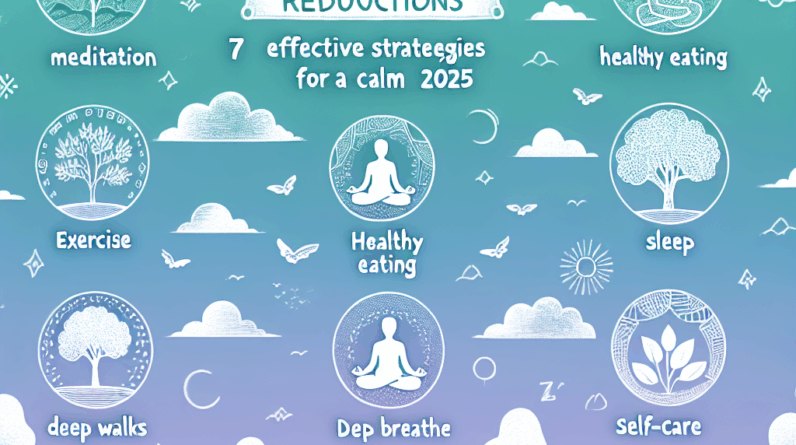
- 1. Practice Mindfulness and Meditation
- 2. Incorporate Regular Physical Activity
- 3. Maintain a Healthy Diet
- 4. Prioritize Quality Sleep
- 5. Manage Your Time Effectively
- 6. Foster Strong Social Connections
- 7. Seek Professional Help When Needed
1. Practice Mindfulness and Meditation
Understanding Mindfulness
Mindfulness involves paying full attention to the present moment without judgment. In 2025, countless studies affirm that practicing mindfulness can significantly reduce stress levels. When we focus on our breath, sensations, and thoughts with awareness, it helps calm the nervous system and reduces feelings of overwhelm.
Many people Iâve spoken with have found that starting each day with just five to ten minutes of mindfulness meditation can set a peaceful tone for the hours ahead. This simple practice can be done anywhere and requires no special equipment. As you cultivate awareness, you become better at recognizing stress signals earlier and respond more adaptively.
Research published in 2024 indicates that consistent mindfulness practice can alter brain structure associated with emotional regulation. This means that over time, your capacity to manage stress improves naturally. Incorporate mindfulness into your daily routine as a powerful stress reduction tip for 2025 and beyond.
Getting Started with Meditation
If you’re new to meditation, start with guided sessions available via apps or online resources. Focus on your breathing, noticing each inhale and exhale. Gradually increase your practice time as you feel more comfortable. Even five minutes a day can make a big difference.
Consistency is key, so try to incorporate meditation into your morning or evening routine. Remember, meditation isnât about clearing your mind completely but about observing your thoughts without attachment. This practice enhances your resilience to stress and promotes a sense of calm throughout the day.
Tip: Set a reminder to practice daily and create a dedicated space for meditation to develop a lasting habit.
2. Incorporate Regular Physical Activity
The Role of Exercise in Stress Relief
Exercise has long been recognized as a natural stress reducer. Engaging in physical activity triggers the release of endorphins, your bodyâs feel-good chemicals. In 2025, new studies show that even short bouts of exerciseâlike a 20-minute walkâcan lower cortisol levels, the hormone associated with stress.
Many people underestimate the power of regular movement. Whether itâs jogging, dancing, swimming, or yoga, incorporating physical activity into your weekly schedule can significantly improve mental well-being. Iâve seen clients transform their stress levels by just committing to three 30-minute sessions per week.
Moreover, physical activity helps improve sleep quality, which is critical for stress management. It also distracts the mind from worries, providing a mental refresh and promoting a sense of accomplishment and control.
Practical Tips for Staying Active
Start small if youâre new to exercise. Incorporate activities you enjoy so it doesnât feel like a chore. Use a fitness tracker or schedule to hold yourself accountable. Remember, consistency outweighs intensity in stress reduction.
Join local groups or online communities to stay motivated and make exercise more social and fun. Even during busy moments, brief stretching routines or quick walks can provide a significant stress-relief boost.
In 2025, wearable technology and virtual classes make it easier than ever to stay active and incorporate movement seamlessly into your daily life.
3. Maintain a Healthy Diet
Nutrition and Stress Management
Your diet plays a vital role in how you feel and handle stress. Consuming nutrient-rich foods, such as fruits, vegetables, lean proteins, and whole grains, supports brain health and stabilizes blood sugar, which can fluctuate with stress.
In 2025, emerging research emphasizes the impact of gut health on mental health. Including probiotics like yogurt or fermented foods can improve gut flora, thereby enhancing mood and stress resilience. Cutting back on processed foods and excess caffeine can also prevent energy crashes and irritability.
Eating regularly and avoiding skipping meals helps maintain steady energy levels, preventing mood swings that can exacerbate stress. For some, a diet rich in omega-3 fatty acidsâfound in fish and flaxseedâhas been shown to reduce inflammation and alleviate anxiety.
Practical Tips for Better Eating Habits
Plan your meals ahead of time to avoid impulsive, unhealthy choices during stressful moments. Keep healthy snacks nearby, such as nuts or fruit, for quick energy boosts. Hydration is equally important; dehydration can increase feelings of stress and fatigue.
Remember, moderation is key. Indulging occasionally is fine, but maintaining a balanced nutritional intake is a proven stress reduction tip that helps you stay calm and centered in 2025.
4. Prioritize Quality Sleep
The Sleep-Stress Connection
Sleep is fundamental for stress management. In 2025, sleep technology, including apps and wearables, provide personalized insights to help optimize sleep quality. Lack of restful sleep can heighten stress hormones, impair concentration, and weaken your immune system.
To improve sleep, establish a consistent bedtime routine. Going to bed and waking up at the same time helps regulate your internal clock. Creating a cool, dark, and quiet sleeping environment promotes deeper, more restorative sleep.
Research shows that courts and workplaces are increasingly recognizing the importance of sleep for productivity and mental clarity. Prioritizing sleep as part of your stress reduction plan is a smart move in 2025.
Practical Strategies for Better Sleep
Limit screen time at least an hour before bed to reduce blue light exposure, which interferes with melatonin production. Engage in calming activities such as reading or gentle stretching. Avoid heavy meals and caffeine close to bedtime.
Good Health Solution is Easier Than Most People Think!
Take a Look for Yourself!
Consider relaxation techniques like progressive muscle relaxation or listening to calming sounds. If sleep problems persist, consult a healthcare provider for tailored solutions.
5. Manage Your Time Effectively
Organizational Tools and Techniques
Effective time management is a critical stress reduction tip for 2025. Feeling overwhelmed often originates from poor planning or unrealistic expectations. Simple tools like to-do lists, calendars, and prioritization matrices can help you stay organized and in control.
Break large tasks into smaller, manageable steps, and set realistic deadlines. Allocate specific times for work, leisure, and rest to maintain a healthy balance. Learning to say no to unnecessary commitments also preserves your mental energy.
Incorporate buffer time between tasks to accommodate unexpected delays and avoid last-minute stress. Ultimately, managing your time effectively allows you to focus on what truly matters, reducing anxiety and overwhelm.
Actionable Time Management Tips
- Create daily and weekly planning routines.
- Prioritize tasks based on urgency and importance.
- Use digital tools like calendar apps or task managers.
- Set boundaries around work hours to disconnect and relax.
This approach is a proven stress reduction tip that enhances overall well-being in 2025 and helps you enjoy more calm and control in daily life.
6. Foster Strong Social Connections
The Power of Support Networks
Humans are social creatures, and maintaining meaningful relationships is essential for mental health. Strong social connections act as a buffer against stress. In 2025, digital communication platforms make it easier than ever to stay connected, even during busy schedules.
Having someone to share your feelings with can significantly reduce feelings of loneliness and anxiety. Iâve seen firsthand how regular conversations with friends or family can provide emotional support and perspective during stressful times.
Building a network of supportive relationships also encourages positive coping strategies. Participating in community activities, hobbies, or support groups enhances your social bonds and emotional resilience.
Practical Ways to Strengthen Connections
Schedule regular catch-ups, whether in person or virtually. Practice active listening and show genuine interest in othersâ lives. Small gestures, like sending a kind message or offering help, also strengthen relationships.
Avoid isolating yourself when stress peaks. Instead, reach out for supportâit’s a key stress reduction tip for managing challenges effectively in 2025.
7. Seek Professional Help When Needed
Recognizing When to Get Support
Sometimes, stress can become overwhelming despite our best efforts. Recognizing when to seek help is a vital stress reduction tip. In 2025, mental health services have become more accessible, both virtually and in person, making it easier than ever to get support.
If anxiety, depression, or chronic stress interfere with daily functioning, consulting a mental health professional can be transformative. Therapy, counseling, or medication may be necessary tools for some individuals.
Seeking help isnât a sign of weakness but a proactive step toward better well-being. Remember, getting professional support can provide personalized strategies and validation for your experiences.
Choosing the Right Help
Identify qualified practitioners such as psychologists, counselors, or psychiatrists. Look for providers specializing in stress management or mental health. Many experts now offer online sessions, providing convenience and privacy.
In 2025, personalized mental health care and digital resources continue to evolve, offering tailored solutions to combat stress effectively. Donât hesitate to ask for help if you need itâyour mental health is worth it.
Conclusion
In todayâs fast-paced world, implementing effective stress reduction tips is essential for a healthier, happier 2025. From mindfulness and exercise to proper sleep and social support, each of these strategies contributes to a balanced and calm life. Remember, managing stress isnât a one-time effort but an ongoing process. Integrate these 7 tips into your daily routine, and you’ll be on your way to a more peaceful year ahead. Prioritizing your mental well-being with these stress reduction tips will set the foundation for a resilient and joyful 2025.
Frequently Asked Questions
1. What are the best stress reduction tips for busy people?
For busy individuals, quick activities like deep breathing exercises, short walks, or mindfulness apps can provide immediate relief. Planning ahead and prioritizing self-care helps maintain balance amid hectic schedules.
2. How does exercise help with stress reduction?
Exercise stimulates the release of endorphins, improves sleep, and provides a healthy outlet for pent-up energy and emotions. Regular physical activity is one of the most effective stress reduction tips.
3. Can diet impact stress levels?
Absolutely. A balanced diet with nutrient-rich foods supports brain health and mood stability. Avoiding processed foods and excess caffeine can reduce stress-related symptoms.
4. How important is sleep for stress management?
Sleep is crucial. Poor sleep increases stress hormones and impairs cognitive function. Prioritizing quality sleep through good routines is a key stress reduction tip for 2025.
5. When should I seek professional help for stress?
If stress becomes persistent, overwhelming, or affects your daily life, consulting a mental health professional is advisable. Seeking help is a proactive step towards maintaining mental well-being.