Eat More Whole Foods
Understanding Whole Foods
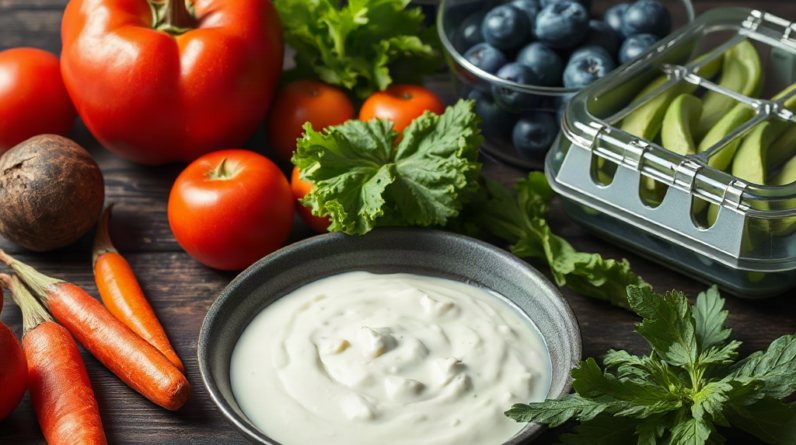
Okay, so let’s dive into whole foods! These are basically foods that are as close to their natural state as possible. Think fresh fruits, veggies, whole grains, and nuts. When I started incorporating more whole foods into my diet, it was like I opened up a whole new world of flavors and nutrients. It’s like the universe was saying, “Hey, there’s more out there!”
One of the great things about whole foods is they tend to be more filling. You know that feeling when you’ve eaten a bunch of processed junk and you’re still hungry? Whole foods can help squash that. Plus, they come packed with vitamins and minerals our bodies crave.
And trust me, I get it—sometimes whole foods can feel boring, but they can be super versatile! I love experimenting with different recipes and spices that keep things lively. You might be surprised at how creative you can get with a simple vegetable!
Shopping for Whole Foods
When I head to the grocery store, my game plan is usually to stick to the perimeter of the store where all the fresh stuff is. You’ll find the produce section, the dairy aisles, and the meat sections buzzing with life. I always make sure to fill my cart with vibrant fruits and veggies first before even thinking about what’s in the middle aisles.
Now, I know impulse buys can be tricky. There’s always that tempting snack aisle staring you down, but staying focused on my list usually keeps me in check. I challenge myself to only buy one or two things from the middle aisles, and even those choices are often whole grain options!
And don’t forget farmer’s markets if you have them nearby! It’s more than just shopping; it’s an experience. I love chatting with local vendors, learning about seasonal produce, and even getting tips on how to prepare things I’ve never tried before.
Cooking with Whole Foods
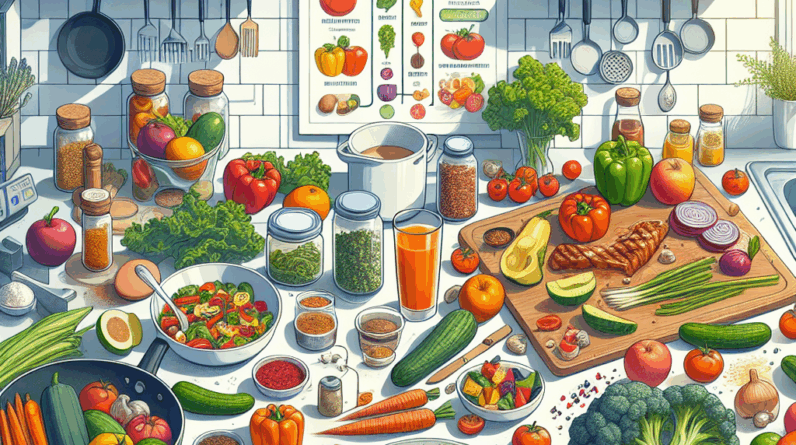
Alright, so you’ve got your whole foods, but how do you cook them? First off, I love keeping it simple. One-pot meals are my jam. Throw in a bunch of veggies, protein, and whole grains, and you’ve got yourself a nutritious feast with minimal cleanup!
Don’t forget about flavor—spices are your best friend. I’m a firm believer that just because something is healthy doesn’t mean it has to taste bland. Experiment with different herbs and spices until you discover flavor combos you love.
And if you’re ever feeling overwhelmed, meal prep can be a lifesaver. I’ll often spend a couple of hours on the weekend chopping up veggies and cooking grains. That way, I’m all set for the week ahead with quick and healthy meals strapped and ready to go!
Stay Hydrated
The Importance of Water
Let’s chat about water for a second! Staying hydrated is so crucial for our overall health. I used to underestimate how much it impacts my energy levels and mood. Just a few cups of water can make a huge difference in how I feel during the day.
Plus, sometimes our bodies confuse thirst for hunger, so grabbing that extra snack might not even be necessary. I always keep a water bottle handy—being able to sip throughout the day helps me stay on track.
And hey, sometimes I mix things up with flavored water! Tossing in some slices of lemon, cucumber, or berries makes drinking water a lot more fun. It’s like giving yourself a little treat that’s still super healthy!
Signs of Dehydration
I’ve learned the hard way about the signs of dehydration. The classic signs are usually headaches or feeling tired, but I also notice my skin gets a little dry and my focus starts to wane. It’s like my body’s gentle nudge saying, “Yo, drink up!”
What’s great, though, is that prevention is easy. Just taking a minute to drink a glass of water every hour or two can keep those symptoms at bay. I try to set reminders on my phone if I get really busy and forget!
Also, bearing in mind that some foods like fruits and veggies contribute to hydration is awesome! I always enjoy a juicy watermelon or cucumber salad, especially in the summer when staying hydrated feels even more important.
Infusing Your Water Routine
If you’re anything like me, plain water can sometimes feel a bit dull after a while. So, let’s get crafty! I love experimenting with different infusions. Just adding herbs, like mint or basil, can transform a boring drink into a refreshing surprise.
There are also flavored sparkling waters that can give you that bubbly satisfaction without all the added sugars found in sodas. Honestly, I think it’s all about finding what works for you and keeps you excited about hydrating.
Make it a game! Testing out new combos and even keeping track of what you like best can encourage you to drink more throughout the day. Hydration should be something you look forward to, not just another chore!
Plan Your Meals
The Benefits of Meal Planning
Meal planning has seriously changed how I eat. By setting aside some time each week to map out my meals, I find that I make better choices overall. Plus, it cuts down on that last-minute “What do I eat?” panic that often leads to unhealthy takeout choices.
When I plan meals, I can also make sure I’m getting a balanced intake of nutrients throughout the week. I’ll jot down ideas that focus on incorporating a mix of proteins, carbs, and healthy fats, making meals not just good for me but also enjoyable!
And, let’s be real, planning is a HUGE time-saver. I’ll prep multiple servings at once, which means fewer nights spent cooking and more time chilling. Win-win, right?
Grocery List Essentials
As I dive into meal planning, one of my go-to tools is a solid grocery list. I’ll sit down with my planned meals and write down all the ingredients I need. It’s like my grocery GPS! Not only does it help me remember everything, but it also keeps me from wandering through the store and getting distracted (which is way too easy).
I try to categorize my list by sections too—produce, dairy, grains, etc. It makes the trip smoother and gets me in and out without spending too much time staring at snacks!
And here’s a pro tip: I will sometimes check what I already have in my pantry before making the list. That way, I’m making use of what I already own and reducing food waste as much as possible!
Balancing Flexibility and Structure
Meal planning doesn’t mean you have to stick to a rigid schedule. Life happens, right? I’ll often plan a couple of flexible meals that I can swap in or out depending on how I feel throughout the week. Some nights, I’m just not up for cooking a feast, and that’s okay!
Good Health Solution is Easier Than Most People Think!
Take a Look for Yourself!
Flexibility keeps it enjoyable. It’s also a great way to use up leftovers; I might throw a variety of extras into a stir-fry one night instead of letting them sit around going bad.
So, embrace the chaos a little! It’s good to have a plan, but don’t stress if it doesn’t always go as intended. The key is to make choices that support your health in a way that feels right for you!
Control Portion Sizes
Learning Portion Control
Let’s chat portion sizes because, honestly, this was a game changer for me! I used to pile my plates high, thinking more is always better, but I realized that what I actually need is much smaller. Learning to control portions has not only helped me maintain a healthier weight but also helps me appreciate my food more.
I started using smaller plates, and it’s amazing how that little change made me feel satisfied with less. It plays a huge psychological role—your brain is tricked into thinking it’s getting a full meal even with less food.
And measuring out servings can be super useful, especially for high-calorie items like nuts or cheese. Getting a glimpse into what actual serving sizes look like can help train me to be more mindful.
Listening to Your Body
One of the most important lessons I learned is to listen to my body when it comes to hunger cues. If I’m genuinely hungry, it’s time to eat, but I’ve also started noticing when I’m just nibbling out of boredom or stress. That awareness has changed everything for me.
If I’m not feeling hungry, I won’t force myself to eat just because it’s “mealtime.” And when I do eat, I take the time to enjoy the flavors, textures, and aromas, which helps me recognize when I’m full and avoid overeating.
So, next time you sit down for a meal, try doing a mini-check-in with yourself. Are you really hungry, or is there something else going on? Believe me, you’ll feel so much more connected to your body!
Portion-Control Strategies
There are tons of strategies I love to help manage portions. One that really works for me is the “plate method.” I fill half my plate with veggies, a quarter with lean proteins, and another quarter with whole grains. It’s a super simple visual guide that makes it easy to balance my meals!
Snacks are another area where portion control comes into play. Instead of munching right from the bag, I’ll take out a portion and put it in a bowl. It’s all about creating those boundaries to help me enjoy the flavors without overdoing it.
And guess what? It’s all about practice! The more I implement these strategies, the easier it becomes. Over time, it feels more like second nature, and I feel empowered to make healthier choices.
Be Mindful During Meals
The Practice of Mindful Eating
Mindful eating has been a real game changer for me! It’s all about being present during meals and savoring every bite instead of munching mindlessly in front of the TV. I try to focus on the food, its taste, smell, and even the texture before I dive in.
When I slow down, I can truly enjoy my meals. It’s almost like a little celebration of flavors, and I often find I don’t need as much food to feel satisfied because I’m actually paying attention to it.
Mindful eating also helps me acknowledge my feelings around food. Whether I’m stressed, bored, or genuinely hungry, being aware of my emotions has made a huge impact on my eating habits.
Avoiding Distractions While Eating
I know it sounds easier said than done, but putting away screens during meals has been a huge help in being more mindful. It can feel like a tough habit to break, but I noticed that without distractions, I focus on my food more and truly appreciate it.
Trying to establish a dedicated eating space is a great idea too! I’ll sometimes even use dining time as a mini-break from my busy day to recharge and appreciate my meal. It shifts my mindset and emphasizes the importance of nourishing my body.
And if I’m enjoying meals with friends or family, we often put our phones away. It leads to richer conversations and means I’m more likely to savor each bite. Essentially, it transforms the dining experience into something special every time!
Creating a Calm Eating Environment
Your eating environment plays a vital role in mindful eating too. I love sinking into a calm space—dim lights, soft music, and pleasing scents can make a simple meal feel like a fancy dinner.
Even the way I set my table matters. Using nice plates or arranging food beautifully can totally elevate the experience. And don’t underestimate the power of slow eating. Taking smaller bites and putting my fork down between bites allows me time to really enjoy what I’m having!
It’s about creating a ritual around meals that I look forward to instead of just a routine. That mindset shift makes all the difference while fostering a genuine appreciation for my food.
FAQs
1. What are whole foods?
Whole foods are foods that are as close to their natural form as possible, such as fruits, vegetables, whole grains, and nuts. They’re typically more nutritious and can have various health benefits.
2. How can I stay hydrated throughout the day?
Keeping a water bottle handy, flavoring your water with fruits or herbs, and setting reminders to take sips can all help with staying hydrated. It’s all about making it a habit!
3. What’s the best way to meal plan?
Start by deciding on your meals for the week, then make a grocery list based on those meals. Prep ingredients ahead of time, and don’t forget to leave some flexibility in your plans!
4. Why is portion control important?
Portion control is essential for maintaining a healthy weight and ensuring you’re not overeating. It makes it easier to appreciate your food and listen to your body’s hunger cues.
5. How can I practice mindful eating?
To practice mindful eating, eliminate distractions, focus on your food’s flavors and textures, and take your time during meals. Creating a calm environment can also enhance this experience!