Understand Your Nutritional Needs
Recognizing the Importance of Nutrients
When I first dove into the world of nutrition, I realized how crucial it is to understand what our bodies require. Each nutrient plays a unique role, from proteins building our muscles to vitamins defending our immune system. It’s like assembling a puzzle; every piece matters for a complete picture. I learned to pay attention to my body’s signals and needs, which often shifted based on my activity level, age, and health goals.
For example, after a tough workout, my muscles craved protein to help with recovery. I started noting my energy levels throughout the day, and how certain foods affected them. This awareness transformed my approach to meals. Now, I can actually feel the difference between a nutrient-dense meal and one that’s less satisfying.
Finding the right balance of nutrients has become a guiding rule for me. It’s not just about calories; it’s about how those calories fuel my body. Once I grasped that concept, meal planning became exciting rather than tedious!
Macronutrients vs. Micronutrients
A major lightbulb moment for me was deciphering the difference between macronutrients and micronutrients. Macro, as in carbs, proteins, and fats, are what we need in larger amounts. They fuel our energy. I started playing around with portions to see how they impacted my energy levels. It was quite a journey!
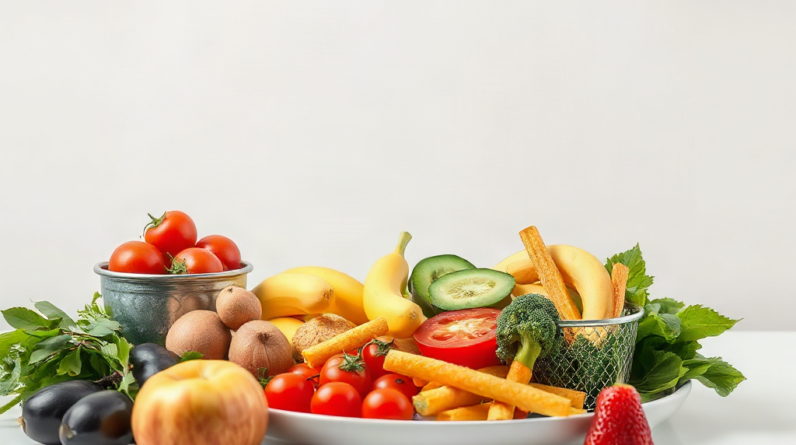
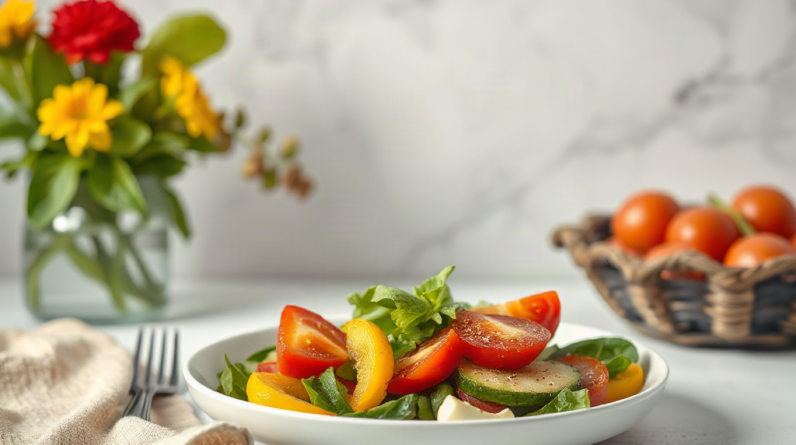
On the flip side, micronutrients are minerals and vitamins that, although needed in smaller quantities, are just as vital for overall health. I often neglected these until I realized how they play a role in everything from bone health to mental clarity. I began sneaking in more colorful fruits and veggies, and it not only added variety but also improved how I felt.
Understanding this balance has really helped me to create meals that truly nourish my body instead of just filling me up. It’s been empowering to know what my body needs and to provide it with the fuel it craves.
Consulting with a Nutritionist
Seeking professional advice was one of the best decisions I made. A nutritionist helped to tailor my dietary needs based on my lifestyle and goals. Initially, I was overwhelmed with so much information online, but having a professional guide made all the difference. They helped me break it down and develop a sustainable plan.
With their guidance, I learned how to read food labels properly, which was a game-changer. I became more mindful about what I was putting into my body. Also, accountability is massive—having someone check in with me motivated me to stay on track with my meal prep and planning.
So, if you’re considering diving deeper into your nutrition, I can’t recommend this step enough. It definitely sped up my learning curve and gave me a richer understanding of food.
Incorporate a Variety of Foods
Diversity is Key
One of my personal challenges was falling into a food rut. We tend to gravitate toward our favorite meals, but I learned that incorporating a variety of foods brings a wealth of nutrients that my body craved. I took a leap and experimented with new recipes and ingredients. It was like unlocking a treasure chest of flavors!
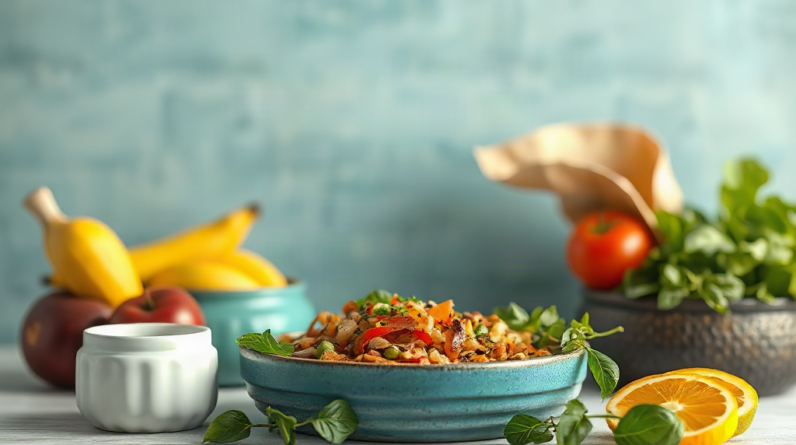
Of course, some days are going to be easier than others, and that’s totally okay. But I’ve found that trying a new fruit or veggie often leads to a delightful surprise. Cooking from different cuisines has also opened up a world of healthy meals—who knew Mediterranean flavors could be so packed with health benefits?
Not only did this variety help my physical health, but it also kept my meals interesting. Less boredom led to more enjoyment, and I began looking forward to trying out new meals rather than viewing food as just sustenance.
Seasonal Eating
Another fantastic tip I learned was to eat according to the seasons. There’s something so refreshing about choosing foods that are in season. They often taste better and are more nutrient-dense since they’re harvested at their peak. Plus, shopping at local farmers’ markets can introduce exciting new items that I might not typically reach for in the grocery store.
Seasonal diversity also allows me to switch up my meal planning, which keeps me engaged and inspired in the kitchen. I love knowing I’m consuming produce that hasn’t traveled thousands of miles—it really adds to the freshness and flavor of my meals.
Eating seasonally has made my palette more adventurous, and I appreciate the vibrancy of different flavors throughout the year. It’s a fun challenge to find ways to use these ingredients in delicious meals!
Meal Prep Strategies
Meal prepping has been a lifesaver for me, especially on those busy weekdays. I started by dedicating a couple of hours to preparing meals for the week ahead. It felt like a big task at first, but breaking it down into manageable steps made all the difference. Now, I can grab healthy meals in a pinch, and I avoid the temptation of last-minute takeout.
One of my favorite strategies is batch cooking. Making larger portions of grains or proteins and then using them in different ways throughout the week has saved me both time and energy. For example, I can roast a big batch of sweet potatoes and then use them in salads, wraps, or as a simple side.
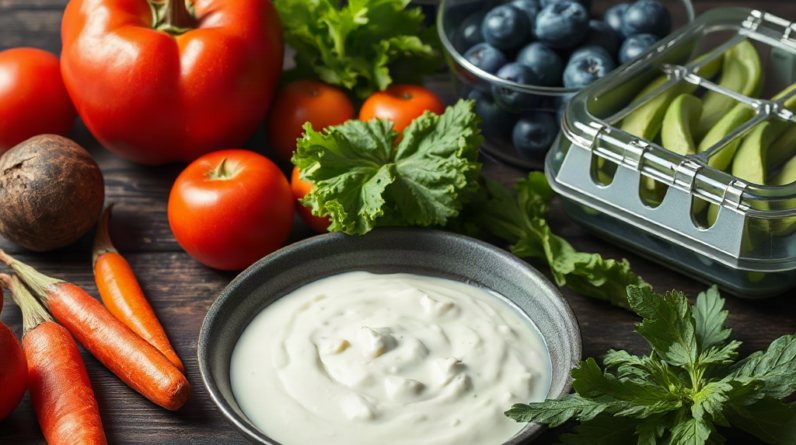
Getting organized with containers also helps—having everything visually laid out makes it easy to grab what’s ready to go. The key is to keep it simple and not over-complicate the process. I’ve learned to be a little flexible and adjust based on what I’m feeling throughout the week.
Focus on Whole Foods
The Power of Whole Foods
When I shifted my focus to whole foods, I was blown away by how much better I felt. I began aiming for foods as close to their natural state as possible. This meant filling my plate with fruits, vegetables, nuts, lean meats, and whole grains. The buzz around ‘whole foods’ isn’t just a trend; it’s truly transformative.
Not only do whole foods provide essential nutrients, but they also often contain fewer additives and preservatives than processed options. I started noticing that meals made with whole foods also kept me fuller for longer—I wasn’t constantly reaching for snacks an hour after eating!
Plus, cooking with fresh ingredients has become a joyful and creative outlet for me. It’s amazing how much flavor and satisfaction you can get from relying on nature’s bounty. Each bite feels nourishing and fulfilling.
Good Health Solution is Easier Than Most People Think!
Take a Look for Yourself!
Minimize Processed Foods
Once I made the switch to whole foods, I naturally began to minimize processed options. At first, this was a challenge because convenient foods are everywhere. I found myself developing strategies to choose healthier alternatives and still enjoy my favorite treats. It’s all about balance!
I learned to check ingredients and look for sneaky additives, sugar, and unhealthy fats in products I once thought were “healthy.” Making my own versions of favorite snacks or meals turned out to be a game changer—I could control the ingredients while still treating myself.
The effort I put into steering clear of processed foods has really paid off. I’ve been feeling more vibrant, and my cravings shifted toward wholesome options instead. It’s liberating to break free from heavily processed choices and embrace the good stuff!
Stay Hydrated
Hydration deserves a spotlight in any discussion about nutrition. When I started increasing my water intake, the changes in my body were immediate. Being properly hydrated has a profound effect on everything from my energy levels to my skin health. I can’t believe I put it on the back burner for so long!
I also realized that hydration goes beyond plain water. Infusing my water with fruits and herbs gives it a refreshing twist and makes drinking it a lot more enjoyable. Herbal teas and even broth are great ways to increase my fluid intake—sometimes, I need that variety.
Now, I carry a reusable water bottle everywhere. The visual nudge reminds me to sip throughout the day. Staying on top of my hydration has become second nature and is integral to how I fuel my body!
Build Sustainable Habits
Creating a Routine
Finding a routine that revolves around healthy eating has been key for me. I’ve learned that flexibility is crucial, and a rigid plan will often lead to frustration. By establishing some consistent meal times and prep days, I’ve created a rhythm to my week, which helps me maintain focus on my nutrition goals.
Incorporating these habits took time. I suggest starting small—maybe commit to cooking at home a couple of nights a week. Eventually, it becomes a fundamental part of your lifestyle, and from there, you can adjust and add more as you gain confidence.
Celebrating small victories along the way has kept my motivation high. Whether it’s perfecting a new recipe or consistently bringing lunch to work, I appreciate the process. Building habits is a journey, and every step counts on this road to nourishing my body!
Setting Realistic Goals
I’ve fallen into the trap of setting lofty goals that left me feeling overwhelmed. Over time, I’ve learned to set realistic and achievable milestones. Whether it’s incorporating more veggies into my meals or trying out a new recipe each week, these smaller goals feel rewarding and prevent burnout.
The satisfaction of checking off these manageable goals has been transformative. I’m able to track my progress without adding undue pressure on myself. Each step forward motivates me to keep going, creating a ripple effect in my health journey.
Hopefully, by setting small and tangible goals, you can create a positive and constructive trajectory for yourself. It’s all about discovering what works best for you, at your own pace!
Embrace Mindful Eating
Practicing mindful eating has been another revolution for my relationship with food. Instead of mindlessly munching while watching TV, I now focus on my meals, savoring each bite, and tuning into my hunger cues. This simple shift has made my meals much more enjoyable and fulfilling.
I’ve started exploring flavors and textures, allowing myself to truly experience each meal. It feels like a small act of self-care, and we often overlook how powerful it can be. Mindful eating has also helped me recognize when I’m full, reducing overeating.
Taking this approach into your daily meals can truly change how you perceive food. It’s about finding joy in the process instead of making it a chore. I encourage everyone to test it out—you might be surprised at what you discover!
FAQs
1. What are some easy nutrient-packed meals I can start with?
Some quick options include quinoa salads loaded with veggies, overnight oats topped with fruits and nuts, or grilled chicken with steamed broccoli. Try to include a variety of colors on your plate for a balance of nutrients!
2. How can I make meal prepping less overwhelming?
Start simple! Choose a few recipes you love and make those first. Dedicate a few hours each week to prep, and keep it fun by blasting some music while you cook. It gets easier each time!
3. Why is hydration so important for nutrition?
Staying hydrated supports digestion, nutrient absorption, and helps maintain energy levels. It also plays a big role in overall health, affecting everything from skin to mood.
4. How can I tell if I’m eating enough nutrients?
Keeping a food diary can help identify any gaps in your nutrition. Pay attention to how you feel—if you’re consistently low on energy or experiencing cravings, you might need to tweak your diet to incorporate more nutrients.
5. Can I enjoy my favorite foods while eating healthily?
Absolutely! Balance is key. It’s all about moderation. You can enjoy indulgent foods while focusing on nutrient-packed meals most of the time. It keeps your eating enjoyable and fulfilling.