


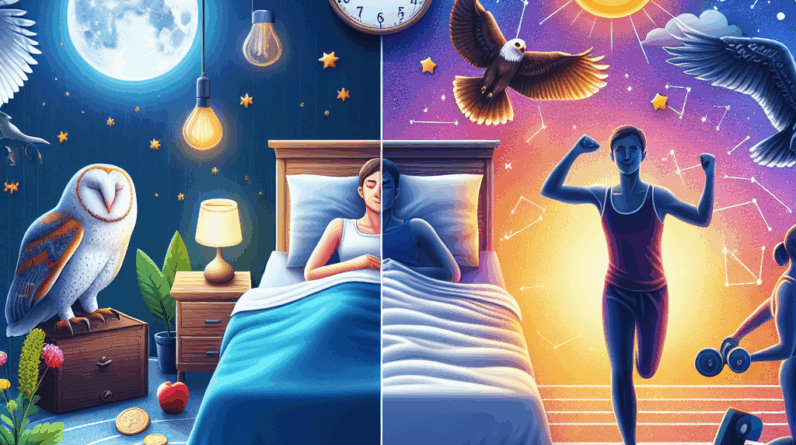
Physical Health Benefits of Sleep
Restorative Processes
Okay, let’s talk about what happens to our bodies while we snooze. When we’re asleep, our bodies kick into repair mode. You’ve probably heard about how sleep helps with muscle recovery, right? Well, it’s true; during deep sleep, our body produces growth hormones that play a vital role in repairing tissues and building muscle mass.
But it’s not just about muscles. Sleep is crucial for keeping our immune system functioning at its best. When we’re deprived of sleep, our body can’t crank out the necessary cytokines that are essential for fighting off infections. Trust me, nobody wants to deal with a cold when they’re already running on empty.
So, getting quality shut-eye not only helps us feel more energetic but also keeps our internal systems running smoothly. It’s like fueling up your car with the highest quality gasoline—your body will perform better and last longer.
Weight Management
Let’s dive into another biggie: weight management. I used to think it was all about counting calories and hitting the gym, but sleep actually plays a pivotal role in how our bodies manage weight. When I noticed changes in my routine, I realized how my sleep patterns were dramatically influencing my appetite.
Studies have shown that lack of sleep messes with hormones like ghrelin and leptin that control hunger. Ghrelin makes you feel hungry while leptin tells you when you’re full. If you’re not sleeping well, you might find yourself craving unhealthy snacks just to get through the day—a slippery slope, let me tell ya.
On the flip side, getting enough Z’s helps keep those hormone levels balanced, making it easier to maintain a healthy weight over the long term. It’s a powerful cycle that I’ve learned to prioritize in my life.
Cognitive Function and Mental Clarity
The impact of sleep on cognitive function is another area where I’ve seen a massive difference in my own life. After a good night’s sleep, I tend to wake up brighter and more focused. It’s like flipping a switch! Sleep enhances our brain’s ability to process information and consolidate memories.
When I was in school, I realized that those late-night study sessions often did more harm than good. My ability to retain information was significantly better when I prioritized sleep over cramming. It turns out, my brain works hard after the lights go out, processing all that I learned during the day.
Adequate sleep can also improve problem-solving skills and creativity, making us more effective in our work or whatever hobbies we’re passionate about. When I’m well-rested, I can tackle challenges with a fresh perspective and renewed energy.
Mental Health and Sleep
Stress and Anxiety Reduction
Now let’s get personal—sleep and mental health are super intertwined. For me, I found that when I’m sleep-deprived, my stress levels skyrocket. It’s like my mind is on constant high alert. Sleep allows for emotional processing, which helps reduce anxiety and stress levels.
It’s fascinating because during REM sleep, our brain processes emotions from the day. If that sleep is cut short, we might find ourselves more prone to feelings of anxiety and irritability. I’ve definitely felt that firsthand; a good night’s sleep can turn a day from chaotic to manageable.
Finding ways to improve my sleep quality has also been a game-changer for my anxiety. Simple techniques like mindfulness and creating a calming bedtime routine have worked wonders for me, allowing for deeper, more restorative sleep.
Emotional Regulation
Another benefit of sleep that really resonates with me is how it affects emotional regulation. When I’m well-rested, I tend to handle life’s ups and downs much better. In contrast, being sleep-deprived can make me irritable and less patient with others—something I’m not proud of.
Studies show that sleep reinforces our ability to manage emotions. It equips us to face daily stressors with a more balanced mindset. I often find that after a solid night of sleep, I can approach challenging situations with greater ease and calmness.
This emotional resilience builds a buffer against mental health struggles, such as depression or anxiety. It’s amazing how such a simple thing—getting enough sleep—can make such a profound impact on our emotional health.
Sleep Disorders and Their Effects
Let’s not skip over the more serious side of sleep; sleep disorders can seriously impact your health long-term. I’ve seen friends struggle with insomnia or sleep apnea, and it’s rough. These conditions can lead to chronic fatigue, decreased productivity, and overall health deterioration if left unaddressed.
Knowing how to recognize the signs of a sleep disorder is incredibly important. For instance, constant fatigue, mood swings, or difficulty concentrating could indicate that something isn’t right. I’ve learned the importance of consulting a healthcare professional when necessary to tackle any potential sleep issues head-on.
Having proper tools and strategies to manage sleep disorders can profoundly influence wellness. Addressing these problems can lead to improved mood, energy levels, and overall well-being. My friends who’ve tackled their sleep issues are living proof that a good night’s sleep can rejuvenate one’s life.
Creating a Healthy Sleep Environment
Optimal Sleep Conditions
Okay, let’s get practical. You can’t just will yourself to sleep better, right? I’ve learned that creating an optimal sleep environment is key. Start with your bedroom—keep it dark, cool, and quiet. A few blackout curtains and a white noise machine can work wonders.
Investing in a good mattress and pillows also pays off. Our bodies need support to relax properly, and the right bedding can be a game-changer. Personally, I swapped to a mattress that suits my sleeping style, and it’s made a huge difference in my comfort level.
Lastly, eliminate distractions like electronics. I used to scroll on my phone before bed, but it messed with my sleep cycle. Reducing screen time before bed can improve sleep quality immensely. Trust me on this one, it’s all about creating that perfect cozy sanctuary!
Good Health Solution is Easier Than Most People Think!
Take a Look for Yourself!
Establishing a Routine
One thing I’ve found immensely helpful is sticking to a sleep schedule. Going to bed and waking up at the same time every day—even on weekends—helps regulate your body’s internal clock. I noticed that when I followed a routine, I fell asleep faster and felt more refreshed in the morning.
Having a consistent pre-sleep routine is also beneficial. I love winding down the day with calming activities like reading or gentle stretches. It signals to my brain that it’s time to switch off and slide into sleep mode. You could even try enjoying a warm bath or practicing some gratitude journaling.
Overall, the more structured you can be with your sleep habits, the easier it becomes to drift off at night. I’ve learned that small changes can really set the stage for quality sleep.
Healthy Sleep Habits
Developing healthy sleep habits is where the magic happens. For me, reducing caffeine intake in the afternoon was a no-brainer. I never realized how much coffee impacts sleep until I started paying attention. Swapping that evening cup for herbal tea has been a total win!
I also focus on incorporating regular exercise into my day. Physical activity promotes better sleep, but timing is key. I typically try to exercise in the morning or afternoon so that my body isn’t revved up just before bedtime.
Lastly, practicing relaxation techniques, like deep breathing or meditation, can create a peaceful mindset before sleep. I often incorporate these methods, and they serve as fantastic tools for letting go of the day’s stressors and easing into sleep.
Long-term Wellness Implications
Link to Chronic Illnesses
Let’s get real—sleep deprivation can lead to some serious long-term health issues. From heart disease to diabetes, the research is clear; sacrificing sleep isn’t worth it. I had to learn that sleep is not just a luxury but a necessity for long-term health.
The link between sleep and chronic illnesses is undeniable. Lack of sleep can increase inflammation in the body, which is a precursor to various health conditions. I often remind myself that taking care of my sleep means I’m also taking care of my long-term health.
Making sleep a priority can thus go a long way toward preventing these illnesses. After understanding these risks, I strive to promote sleep as a foundation of my self-care routine, and it’s becoming more ingrained in my lifestyle.
Impact on Aging
Who doesn’t want to age gracefully, right? I find it fascinating how sleep plays into the aging process. Studies indicate that poor sleep can accelerate aging and lead to visible signs, such as wrinkles and cognitive decline. It made me realize the importance of sleep in looking and feeling my best over time.
Getting quality rest supports healthy skin renewal and promotes better mental clarity. I don’t know about you, but when I’m well-rested, I feel vibrant and youthful, both physically and emotionally.
When you combine a solid sleep routine with other healthy habits, the effects can be incredibly rewarding. You may not turn back the clock, but prioritizing sleep can certainly help me age with grace.
Building Resilience
Lastly, let’s think about resilience. Sleep is the cornerstone of resilience, allowing us to bounce back from stressors more effectively. In my own life, I’ve noticed that the days I hardly sleep tend to be the days I struggle to cope with setbacks.
If I’m well-rested, challenges feel far less daunting, and I’m more level-headed when making decisions. Building resilience through quality sleep has also made me more adaptable in both personal and professional settings.
So remember, your sleep does more than recharge your body—it also fortifies your mental and emotional resources to take on whatever life throws at you!
FAQs
1. How much sleep do we really need for optimal health?
Most adults need between 7 to 9 hours of quality sleep each night for optimal health. This can vary depending on individual needs, but aiming for that range is key.
2. What are the consequences of chronic sleep deprivation?
Chronic sleep deprivation can lead to a range of health issues, including increased risks of heart disease, diabetes, obesity, and mental health problems like anxiety and depression.
3. How can I improve my sleep hygiene?
Improving sleep hygiene involves creating a bedtime routine, reducing screen time, keeping your sleep environment dark and cool, and avoiding caffeine and heavy meals before bed.
4. Are there specific foods or drinks that promote better sleep?
Yes, certain foods like cherries, bananas, and almonds contain sleep-promoting nutrients. Herbal teas such as chamomile can also help foster relaxation before bed.
5. Can naps during the day affect my nighttime sleep?
Short naps can be beneficial, but long or late-afternoon naps can interfere with nighttime sleep. If you’re going to nap, keep it short and aim for earlier in the day.





