Mindful Eating
Slow Down and Savor Your Food
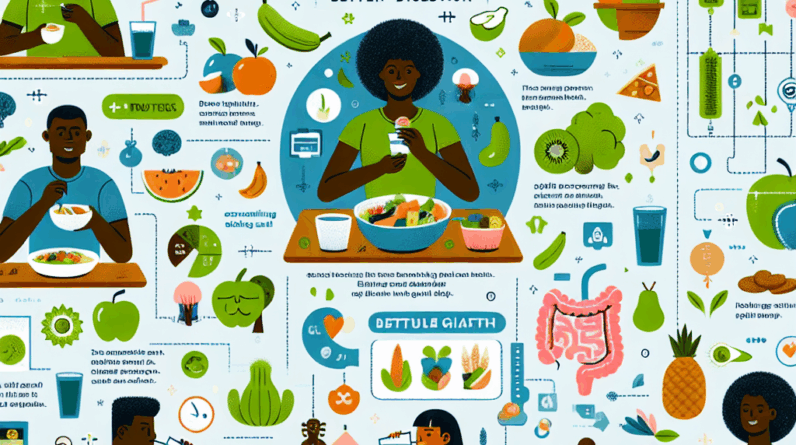
One of the best lessons I’ve learned about eating is the importance of taking my time. When we rush through meals, we often miss out on the flavors and textures that make food enjoyable. I’ve found that when I slow down and savor each bite, not only do I enjoy my food more, but I also feel more satisfied and less likely to overeat.
Try setting aside distractions like your phone or the TV during meals. Just focus on your food. It sounds simple, but you’d be surprised at how it transforms your eating experience. I’ve been amazed by how much I appreciate my meals when I give them my full attention.
Plus, chewing your food thoroughly really makes a difference. Digestion starts in your mouth, and taking the time to chew well helps break down your food, making it easier for your stomach to handle. This simple practice has led to a happier belly for me!
Listen to Your Body
Another powerful strategy I’ve adopted is tuning into my body’s hunger and fullness cues. Often, we eat because it’s “time to eat” rather than because we’re actually hungry. Learning to recognize when my body genuinely craves food has been a game-changer.
I’ve noticed that when I eat instinctively, I feel lighter and more energized instead of sluggish. I’ve also stopped forcing myself to finish everything on my plate if I’m already satisfied. It’s refreshing to give myself permission to leave food behind, knowing that it’s okay to eat when I’m hungry, not just out of habit.
If you’re not sure if you’re hungry or bored, try drinking a glass of water and wait 10 minutes. If you’re still feeling hungry, go for it! If not, you’ve just saved yourself from unnecessary snacking. Trust me, your body knows what it needs!
Practice Gratitude
Before meals, I like to take a quick moment to think about where my food comes from, the effort that went into preparing it, and the nourishment it provides. It might sound a bit cheesy, but this practice of gratitude really shifts my mindset about eating.
Gratitude helps me appreciate my food more, which usually leads to more mindful eating. When I appreciate what I have, I’m less likely to feel deprived, which is huge when it comes to digestive health. A positive mindset can actually affect how our bodies process food!
Next time you sit down for a meal, take a breath, reflect on your food, and express gratitude for its role in your health. It might feel a little strange at first, but it can make every bite much more enjoyable.
Hydration
Drink Plenty of Water
I can’t stress enough how important water is when it comes to digestion. Staying hydrated helps keep everything moving smoothly. I’ve made it a habit to drink a glass of water before each meal, and it has truly worked wonders for my digestion.
Water aids in breaking down food so that your body can absorb the nutrients. If you’re not a fan of plain water, add some lemon or mint. It’s refreshing and makes the whole hydration game a lot easier. Plus, having water handy helps curb the munchies between meals.
However, I try to avoid drinking too much water during meals, as it can dilute digestive juices. I find it works best to sip a bit before and after eating for optimal digestion.
Be Mindful of Caffeinated Beverages
I used to be the queen of coffee, but I learned that too much caffeine can play tricks on my digestive system. While it can boost metabolism and get things moving, excessive caffeine can lead to acid reflux and indigestion for some folks, myself included.
Now, I enjoy my cup of joe in moderation. I’ve replaced some of my caffeine intake with herbal teas, especially after meals. Chamomile or peppermint tea help soothe my stomach and feel like a comforting hug in a mug.
So, while I enjoy my caffeine fix, I’ve learned to balance it out with hydration and herbal options, making sure my digestion doesn’t take a backseat in the process.
Limit Sugary and Carbonated Drinks
Another eye-opener for me was reducing sugary drinks and carbonation. I remember the times I’d sip on soda while having a meal and then wonder why I felt bloated afterward! Sugary beverages can disrupt digestion and often lead to discomfort.
Swapping out those carbonated drinks for homemade smoothies or infused water has been a satisfying change. Not only do I avoid the bloating, but I also pack in more nutrients. Plus, experimenting with flavors makes hydration fun again!
It’s all about making small changes that lead to big results. Remember, your body will thank you for these little tweaks in your lifestyle.
Balanced Meals
Include Fiber-Rich Foods
Getting plenty of fiber is crucial for keeping my digestive system regular. I’m talking whole grains, fruits, and veggies. Ever since I started packing more fiber into my meals, I’ve noticed a significant improvement in how my body feels.
Fiber acts like a broom for our intestines, sweeping through and keeping things moving. I love adding chia seeds to my smoothies or munching on nuts and fruits as snacks. Not only is it fulfilling, but it’s also super beneficial for my gut.
Just be sure to up your fiber intake gradually. You don’t want to shock your system! Balance it with plenty of water, and you’ll be golden.
Incorporate Healthy Fats
Don’t underestimate the power of healthy fats! I’ve made it a priority to include sources like avocados, nuts, and olive oil in my dishes. These not only enhance flavor but also support digestion.
Healthy fats help your body absorb fat-soluble vitamins and keep you feeling full longer. I love drizzling some olive oil on my salads or tossing in some avocado for that creamy texture. It makes a world of difference, trust me!
Remember, fats are not your enemy—the key is choosing the right ones. These healthy choices make your meals taste great and keep your digestion on track.
Protein and Carbohydrate Balance
Finding the right balance of protein and carbohydrates has been a part of my eating strategy. I’ve noticed that when I combine both in my meals, I feel fuller and more satisfied.
Good Health Solution is Easier Than Most People Think!
Take a Look for Yourself!
For example, pairing a lean protein source like grilled chicken with quinoa or brown rice gives me the energy I need without feeling heavy. This balance helps my digestion because it spreads out my energy release and keeps my blood sugar steady.
So, think about making those combos when you plan your meals. It’s all about fueling your body in a way that feels good and keeps everything moving smoothly.
Regular Meal Times
Establish a Routine
I find that having a consistent meal schedule can work wonders for my digestion. When I eat around the same times each day, my body gets used to the routine, promoting a healthy digestive rhythm.
Plus, it helps to prevent those pesky hunger pangs that can lead to mindless snacks. I’ve made it a habit to sit down for breakfast, lunch, and dinner at similar times, and it has made me feel more in control of my eating.
Creating this routine also means prepping healthier meals in advance, so I’m not reaching for unhealthy options when hunger strikes. It’s been a total win-win for me!
Healthy Snacks Between Meals
I used to skip snacks and then overeat at meal times, which never ended well for my digestion. Now, I opt for healthy snacks in between to keep my energy levels stable. It helps keep my metabolism fired up and prevents me from feeling too full during meals.
My go-to snacks include fruits, yogurt, or a handful of nuts. They’re easy to prepare and keep me feeling satisfied without weighing me down. Plus, they help keep my blood sugar steady, which is super important.
So, don’t skip snacking—make it work with nutritious options that complement your meals. I promise you’ll feel the difference!
Don’t Skip Meals
It can be tempting to skip meals, especially if you’re busy, but I’ve learned the hard way that this can wreak havoc on digestion. I’ve found that skipping meals leaves me feeling ravenous and leads to poor food choices later on.
Maintaining regular meal times is crucial, but if life gets hectic, I always have quick and healthy options ready to go. Sometimes, even a small snack can make a huge difference in how I feel the rest of the day.
Remember, nourishing your body consistently will help it function at its best, so keep meals balanced and don’t skip out!
Physical Activity
Make Movement a Habit
Staying active is key for my digestion. Whether it’s a brisk walk, yoga, or dancing in my kitchen, keeping my body moving helps everything flow in my digestive system.
I find that even small movements, like stretching after meals, can really help. It’s all about staying gentle and letting my body do its thing without feeling overwhelmed.
Incorporating regular exercise into my routine has also enhanced my mood, making me more mindful about my eating habits. It becomes a cycle of healthy choices that I absolutely love!
Post-Meal Walks
I heard once that a short walk after meals can support better digestion, so I decided to give it a shot. I started taking a leisurely stroll after dinner, and it’s become one of my favorite habits.
Not only do I get some fresh air, but it also helps calm my mind and aids in the digestive process. I’ve found that I feel lighter and less bloated after adopting this simple practice.
It’s a perfect way to bond with family or friends, too. Why not kick back, digest, and chat together? It makes for a pleasant evening routine!
Mental Well-being and Digestive Health
Lastly, I’ve learned about the significant impact stress can have on digestion. When I’m feeling anxious, my gut often reacts poorly, leading to discomfort. Practicing mindfulness and relaxation techniques has been crucial for me.
I’ve started incorporating deep breathing exercises and meditation into my daily routine. It helps me unwind and fosters a better connection between my mind and body, promoting smoother digestion.
Taking care of my mental well-being is just as important as my physical health when it comes to digestion. It’s a holistic approach that has changed my life for the better!
Frequently Asked Questions
1. What are the best foods for better digestion?
Foods rich in fiber, like whole grains, fruits, and vegetables, along with healthy fats like avocados and nuts, are excellent for digestion. They help keep things flowing smoothly in your digestive system.
2. How much water should I drink for optimal digestion?
While the general recommendation is to drink at least eight 8-ounce glasses of water a day, it can vary based on your activity level and diet. Pay attention to your body’s thirst cues, and make sure to hydrate throughout the day.
3. Can stress affect digestion?
Absolutely! Stress can lead to digestive issues like bloating and indigestion. Incorporating relaxation techniques such as deep breathing or yoga can help ease stress and support digestion.
4. How can I implement mindful eating practices into my routine?
Start by minimizing distractions during meals. Focus on the flavors and textures of your food, and chew slowly. Take the time to appreciate your meal, which can lead to better digestion and overall satisfaction.
5. Is it okay to snack between meals?
Yes! Healthy snacks can actually help maintain your energy levels and prevent overeating during meals. Opt for nutritious options like fruits, vegetables, or nuts to support your digestive health.