Understanding Your Goals
Defining Your Health and Fitness Objectives
First off, it’s super important to clarify what your goals actually are. Are you looking to lose weight, gain muscle, or just maintain a healthy lifestyle? Getting specific here can totally shape your eating plan. For instance, if you want to bulk up, you’ll need more calories from protein and carbs than if you’re aiming for weight loss.
Next, you should consider the timeline for your goals. Are you prepping for a specific event, or is this more about long-term health? Whatever the case, having a tangible milestone can help keep you motivated.
Lastly, don’t forget to factor in your current health status. If you have any dietary restrictions or health concerns, make sure your goals reflect that. It’s all about creating a balanced approach that speaks to you personally.
Assessing Your Current Dietary Habits
Before you dive into crafting a new eating plan, take a good look at what you’re currently eating. Keeping a food diary for a week can be incredibly revealing. I did this once, and I had no idea how many snacks I was munching on in between meals!
Look for patterns. Are you hitting your nutrient goals, or are you relying heavily on convenience foods? Understanding what you enjoy and what might be holding you back will guide you in making better food choices.
With this self-assessment, you can now evolve your eating habits instead of overhauling them completely. Remember, Rome wasn’t built in a day, and neither is a healthy eating plan.
Setting Realistic Expectations
When creating an eating plan, it’s tempting to set lofty expectations—perhaps too lofty. I’ve been there: starting with an all-or-nothing mentality that fizzles out within weeks. Learn from my mistakes!
Instead, break it down into smaller, manageable goals. Celebrate those little victories; they add up! If this week means swapping soda for water, call that a win!
Being realistic will not only keep you motivated but it will also make the process enjoyable. Because let’s face it, if it feels like a chore, we’re likely to abandon it pretty quick.
Creating a Balanced Eating Plan
Incorporating a Variety of Food Groups
One of the biggest things I’ve learned about eating healthily is the power of variety. We need protein, carbohydrates, fats, vitamins, and minerals to function at our best. Make sure you’re not just eating the same meals day in and day out.
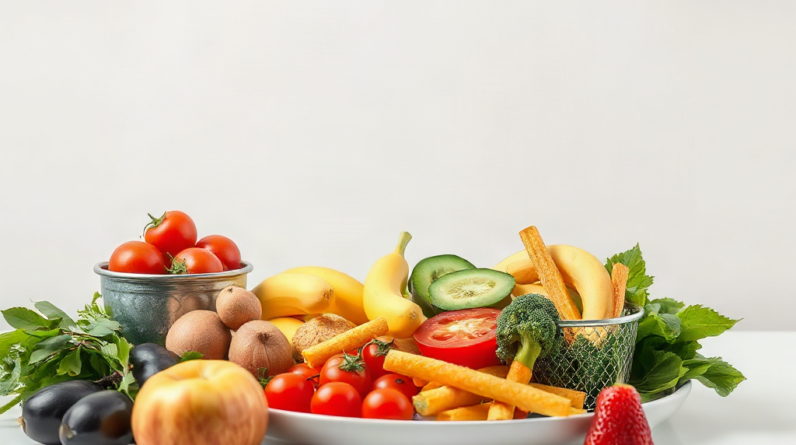
Incorporating different colors of fruits and veggies can brighten not only your plate but also your overall health. Think about it—not only does it enhance flavor but also absorbs a wider spectrum of nutrients! Try to get your plate to look like a rainbow.
Moreover, mix up your sources of protein. Instead of relying solely on chicken or beef, consider fish, legumes, or plant-based proteins. This keeps things fresh and exciting!
Paying Attention to Portion Sizes
Let’s talk about portion sizes for a second. It’s one of those things that even I had to get a grip on to avoid the overstuffed feeling that hits after every meal. I use my hands as a guide: palms for protein, fists for veggies, and cupped hands for carbs.
Understanding what appropriate serving sizes look like for different foods can really help prevent overeating while still feeling satisfied. There’s no need to starve yourself; it’s all about balance.
And hey, don’t forget to listen to your body. If you’re still hungry after a meal, maybe your portions need a little adjustment. Building that connection with hunger cues is key.
Planning for Successful Meal Prep
When I first started meal prepping, I had no idea how much time and stress it would save me during the week. A little Sunday prepping can go a long way. I usually prepare my main proteins and a few veggies to have on hand.
Good Health Solution is Easier Than Most People Think!
Take a Look for Yourself!
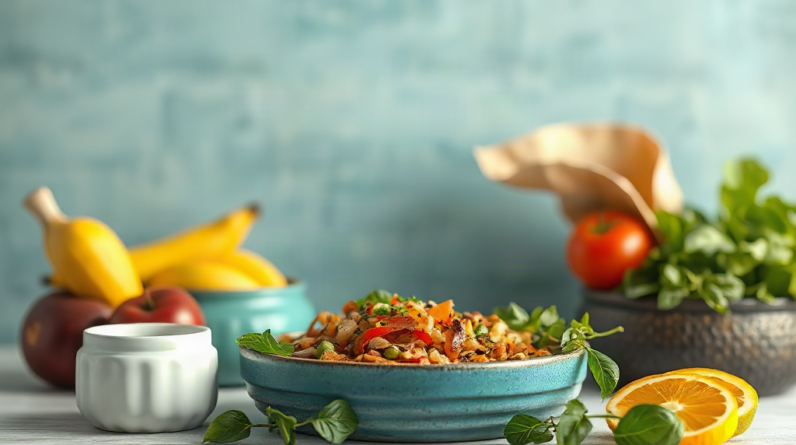
If you’re not sure where to start, try making a big batch of something you love, like chili or stir-fry, and divide it into portions. It keeps things varied and gives you options when you’re tired after work.
Lastly, stock your kitchen with essentials so you can whip something up on the fly. Things like quick-cooking grains, frozen veggies, and canned beans are lifesavers for those busy weeknights.
Staying Accountable
Finding a Buddy or Community
The buddy system isn’t just for kids; it can be really helpful when you’re trying to stick to an eating plan. Having a friend or a group of folks cheering you on can make a huge difference. Plus, you can swap recipes and meal ideas!
Find a local or online community that shares your health goals. It’s motivating to share your journey with others who are on a similar path. You can hold each other accountable and celebrate achievements together!
At the end of the day, knowing that someone else is rooting for you can push you to stick to your plan when times get tough.
Tracking Your Progress
Keeping tabs on your progress can be a game-changer. I recommend using an app or a journal to log what you eat and how you feel. It’s astonishing to see how your body responds to different foods over time.
Tracking can also help you identify trends. Maybe you notice you feel more energetic after certain meals or that you’re inclined to snack more when stressed. Understanding these patterns lets you make informed adjustments.
Don’t be too hard on yourself, though. Everyone has ups and downs, and that’s totally normal. Just keep your eye on the prize, and remember—it’s all part of the journey.
Reflecting and Modifying Your Plan
No eat plan is set in stone. Life changes, and our bodies change too. It’s crucial to reflect on what’s working and what isn’t, and then make modifications as needed. I like to check in with myself every month or so—am I still enjoying my meals? Am I still feeling energized?
If something’s off, don’t hesitate to tweak it! Maybe you need more snacks during the afternoon slump, or perhaps breakfast needs a makeover. Stay flexible—this is about your health, not a strict diet.
Ultimately, your eating plan should empower you, not restrict you. Remember, it’s all about finding that sweet spot that keeps you healthy and happy!
Frequently Asked Questions
1. How long should I expect to see results from my eating plan?
While it varies for everyone, most people start noticing changes within a few weeks of consistent healthy eating.
2. Do I need to eliminate my favorite foods to stick to a healthy eating plan?
Not at all! Moderation is key. It’s perfectly okay to enjoy your favorite treats occasionally as long as you balance them with healthier choices.
3. What if I don’t have time for meal prepping?
If time is tight, focus on simple meals that require minimal prep, or consider batch cooking on days when you have more time. Even easy snacks can be prepped in advance!
4. Can I adjust my eating plan as my goals change?
Absolutely! As you hit milestones or change your focus, feel free to adjust your eating plan to align with your new objectives.
5. Is it important to consult a nutritionist before starting a new eating plan?
While not necessary for everyone, consulting a nutritionist can provide tailored guidance, especially if you have specific dietary needs or health concerns.