Choosing the Right Herbs for Your Indoor Garden
Consider Your Cooking Preferences
When I first decided to grow an indoor herb garden, I found it super helpful to think about the types of herbs I actually used in the kitchen. If you’re a fan of Italian food, herbs like basil and oregano are must-haves. Thinking about what you often cook will save you time and effort, plus it keeps your garden relevant to your meals!
I also suggest looking into herbs that are more versatile. For example, rosemary is great for meats but also delicious in breads. Make a list of your favorites and have fun with it! Herb gardening is all about personal expression through flavors.
And hey, don’t forget to explore some lesser-known herbs as well! Thai basil or lemon balm can add a twist to your dishes and might inspire you to try something new.
Understand the Growth Requirements
Every herb has its own vibe when it comes to growth conditions. Some like to soak up the sun, while others are happy with just a bit of light. From my experience, understanding each herb’s needs is key to a thriving garden.
For instance, my basil loves bright light, so I place it near the window. Meanwhile, parsley does well in partial shade, so I’ve positioned it a bit further back. If you can nail down these specifics, your plants will really flourish.
Also, take into account the water and humidity preferences of your herbs. Overwatering can kill your herbs, while too little water can stunt their growth. Finding that sweet spot can be a bit of a journey, but totally worth it!
Local Climate Considerations
Your local weather and humidity can really impact how you grow your indoor herb garden. If you live in a dry climate, you might need to consider adding a humidifier or grouping your plants together to maintain moisture. I learned that the hard way when my herbs began to droop—definitely an experience I won’t forget!
Seasonal changes also play a role. During winter, I make sure to turn my pots regularly to ensure they all get equal light and to prevent them from leaning towards the window.
It’s all a part of the adventure! Each step and observation makes your skills sharper and your garden stronger. Plus, you’ll learn more about your local environment too.
Gathering Supplies for Your Herb Garden
Essential Gardening Tools
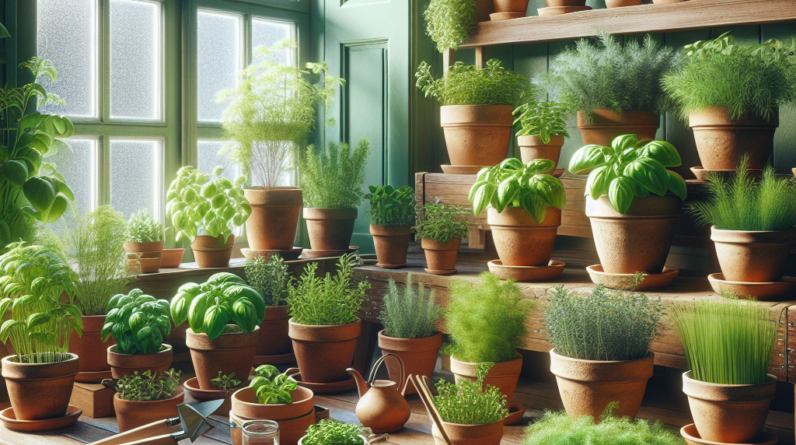
Let me tell you, having the right tools makes a world of difference. For my indoor herb garden, I got myself some basic items—a good set of pots, potting soil, and a decent watering can.
Don’t get too fancy right off the bat. A few small pots that allow for drainage will work nicely. Also, invest in a good pair of scissors for harvesting your herbs without damaging the plants!
Lastly, remember that sometimes less is more. Two or three pots can be just as effective as a big setup, especially when you’re starting out.
Choosing the Right Pots
I quickly discovered that pot choice impacts how well herbs thrive. Look for pots with drainage holes—trust me, waterlogged soil is a killer. I’ve made that mistake, and it was a harsh learning curve!
You can also have fun with aesthetics; I love using colorful pots that match my kitchen décor. It helps me feel connected to my plants. Just remember that what’s inside the pot is what really counts, so prioritize good soil over looks.
Experiment a bit! You can also try different pot sizes to see which works best for your herbs. You might find that certain herbs prefer more space to grow and others are happy cozy together.
Soil and Fertilizer Options
The soil you pick can truly make or break your plants. A good quality potting mix will provide the right nutrients and aeration for your herbs. In my experience, I’ve switched to organic potting soil and have noticed a significant difference in how vibrant my herbs look!
As for fertilizer, less is more, especially for herbs. I usually give a small dose of liquid fertilizer every few weeks. It’s like giving them a little boost without overwhelming them.
And keep in mind the growth stage of your herbs. Young plants may not need as much fertilizer as the mature ones. Just keep an eye on them—they’ll let you know when they need more nourishment!
Creating the Ideal Environment
Light Requirements
Sunlight is critical for healthy herb growth! I’ve learned that most herbs need at least six hours of light a day. When I didn’t have enough natural light, I invested in a grow light, which has been a game-changer. It helps my plants feel that warmth they crave even when it’s dreary outside.
It’s super important to observe your plants. They’ll show you when they’re not getting enough light; their leaves might turn yellow or stretch towards the light source. Adjusting their placement can be easy and incredibly rewarding!
Don’t worry if you don’t have a perfect south-facing window! You can still create a cozy little herb garden in any spot that gets some light during the day. Just get creative!
Good Health Solution is Easier Than Most People Think!
Take a Look for Yourself!
Temperature and Humidity Levels
Herbs love warmth, so keep your indoor garden away from drafts and open windows during cold snaps. I’ve found that keeping my home around 65 to 75 degrees Fahrenheit works best for my plants.
Humidity comes into play too. Some herbs enjoy it a bit more humid (like basil), while others (like thyme) prefer it dry. If your air is super dry, a little misting here and there can help. Just remember not to overdo it!
Creating a stable environment can be a little trial and error, but it’s so satisfying when you find just the right balance for your herbs!
Prevention of Pests and Diseases
As a novice, I didn’t realize how much pests could affect my plants. I’ve battled aphids and spider mites a few times. Natural predators like ladybugs in the garden are great if you’re feeling adventurous, but I usually stick with neem oil for easy application.
Keeping your herbs healthy is critical. Quarantine any new plants to avoid introducing pests, and inspect your herbs regularly for any signs of trouble. A little TLC goes a long way!
Remember, the healthier the plants are, the less likely they’ll get pests or diseases. So, prioritize proper care, and your plants will thank you!
Harvesting and Enjoying Fresh Herbs
When and How to Harvest
Harvesting is my favorite part! Knowing when to snip fresh herbs isn’t always obvious, but I’ve learned that it’s best to harvest in the morning after the dew has dried. The flavors are more concentrated then. I typically look to take off the top third of the plant to encourage fuller growth.
Be gentle, though! Grab a pair of scissors and cut just above a leaf node, allowing new leaves to thrive. If you start pulling leaves and not cutting, your plants may become stunted. Trust me; I’ve been there!
A little bit of harvesting can be super rewarding, and it’s the best way to keep your herbs bushy and lush. Plus, nothing beats the smell of fresh herbs in your kitchen!
Storing Your Fresh Herbs
After a great harvest, the question is, how do you store them? I found that most herbs do well when wrapped gently in a damp paper towel and then placed in a plastic bag in the fridge. It keeps them fresh for longer without losing that beloved flavor!
You can also try freezing herbs in ice cube trays with a little water or olive oil. It’s super handy—just pop out a cube when you’re ready to cook something amazing. I cannot tell you how much I love using my homemade herb cubes!
A key tip: dried herbs can taste totally different from fresh, so whenever possible, opt for fresh. They bring life into your dishes, and trust me, you’ll notice the difference!
Incorporating Herbs into Your Cooking
Finally, let’s talk about the fun part—cooking! By growing an indoor herb garden, you’ve given yourself a creative edge in the kitchen. I absolutely love adding fresh herbs to salads, pasta dishes, soups, or even just tossing them on grilled meats. It’s like adding a secret ingredient!
Don’t be afraid to experiment; herbs can enhance flavors and transform everyday meals. Try mixing different herbs together to create your own unique blend that reflects your personal taste. The combinations are endless!
Sharing meals made with fresh herbs is like sharing a little piece of your garden. Every sprinkle adds a dash of love and effort into every bite. That’s what makes everything feel special!
Frequently Asked Questions
1. How much sunlight do indoor herbs need?
Most indoor herbs thrive with at least 6 hours of sunlight daily. If your home doesn’t get enough natural light, consider using a grow light for best results.
2. What are the easiest herbs to grow indoors?
Some easy herbs for beginners include basil, parsley, mint, and chives. These herbs tend to be forgiving and encourage new gardeners to try more!
3. How often should I water my indoor herbs?
Watering frequency depends on the plant and the environment, but a general rule of thumb is to let the top inch of soil dry out before watering again. Don’t overwater!
4. Can I grow herbs in regular potting soil?
Yes, just make sure it’s high-quality potting soil with good drainage. Avoid garden soil, as it can be too heavy and may lead to root rot.
5. How do I prevent pests in my indoor herb garden?
Regularly inspect your plants and maintain a healthy environment. Natural remedies like neem oil can help manage pests without harsh chemicals.