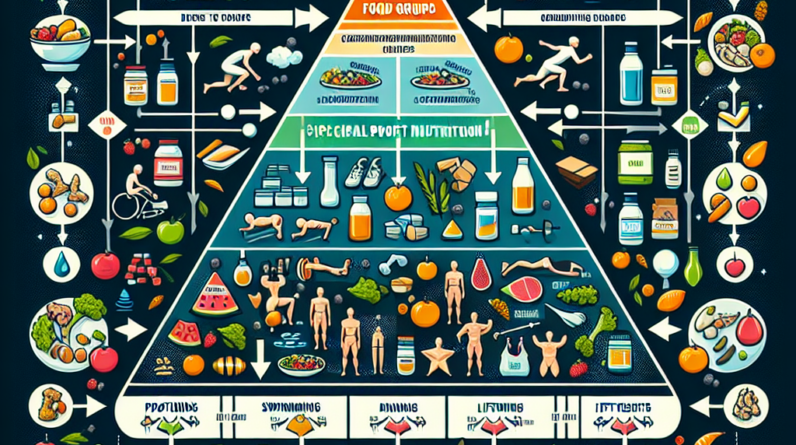
Understanding Your Nutritional Needs
Evaluating Your Training Intensity
One of the first things I’ve learned on my journey with fitness is that training intensity varies significantly among individuals. Whether you’re doing high-intensity interval training or a more chill, steady-state workout, the energy demands are different. It’s super important to tailor your nutrition to match your training; this way, you can optimize your performance and recovery.
For instance, when I ramp up my training sessions, I notice an increased need for carbs. They provide the quick energy needed for those intense workouts. So, I make sure to fuel up with whole grains, fruits, and veggies before hitting the gym. It’s all about feeding my body what it needs during these power-packed sessions.
Conversely, on low-intensity days, my dietary focus shifts more towards lean proteins and healthy fats. This is crucial for muscle recovery instead of just energy consumption. Understanding your training intensity is a game-changer when it comes to planning your nutrition!
Choosing the Right Macronutrients
Balancing Carbohydrates, Proteins, and Fats
I can’t stress enough how essential it is to get your macronutrient ratios on point. Depending on your goals—whether you’re looking to bulk up, slim down, or maintain—your macronutrient balance will differ. It’s taken me a bit to nail down what works best for me, but let’s dive in!
Carbs are my go-to for energy. I try to stick with complex carbs, like quinoa and brown rice, because they release energy slowly, keeping me fueled throughout my workout. Protein, on the other hand, is essential for muscle repair. I aim for high-quality sources like chicken, fish, and beans, especially right after a tough workout.
And fats? Don’t be afraid of them! Healthy fats from avocados and nuts are great for hormone production and overall health. I always remember to include them in my meals, as they help keep me satiated.
Timing Your Nutrition
The Importance of Pre- and Post-Workout Meals
Timing your meals is like setting a schedule for success. I’ve experimented with various timings of meals around my workouts, and I truly believe there’s a sweet spot. Pre-workout meals are often my secret weapon; I try to eat something rich in carbs about 30 minutes before I head to the gym. This gives my body the fuel it needs for tackling those sets.
Post-workout is where the magic happens. I’ve learned that it’s not just about eating something—it’s about eating the right something. I focus on having a mix of protein and carbs within 30-60 minutes after my workout. This helps with muscle recovery and replenishing glycogen stores. Smoothies with protein powder, banana, and oats are my go-to!
Over time, I’ve seen a real difference in my performance. Skipping these crucial meals? No thank you! They’re just as important as the workout itself. Trust me, timing can elevate your game!
Incorporating Supplements Wisely
Identifying What You Need
Now, supplements can be a bit tricky. I’ve dabbled with various powders and pills, but I’ve come to realize that they should enhance—not replace—my nutrition. The key is identifying what gaps exist in my diet that could benefit from a little boost.
For example, if I’m not hitting my daily protein goals due to a busy schedule, a protein shake can be a lifesaver. Additionally, I’ve found creatine has helped improve my strength gains. Just remember to do your research and consult with a professional if needed, as not every supplement is the right fit for everyone.
Good Health Solution is Easier Than Most People Think!
Take a Look for Yourself!
And, of course, it’s critical to read labels and understand what’s in your supplements. I always aim for transparency with whatever I’m putting into my body. Quality matters—make sure you’re going for reputable brands.
Staying Hydrated
The Role of Hydration in Sports Nutrition
Hydration is often overlooked, but let me tell you: it’s absolutely vital! I can feel a noticeable difference in my performance and focus when I’m well-hydrated. It’s not just about sipping water here and there; it’s about making a conscious effort to stay hydrated throughout the day, especially during workouts.
I’ve learned to carry a water bottle with me everywhere. It serves as a constant reminder to drink up! I shoot for about a liter before and during my workouts, and I keep replenishing afterward. Adding electrolytes can be beneficial, especially during longer sessions or when I’m sweating buckets.
Remember, hydration isn’t just a thing to think about while working out; it’s an everyday task. It plays a crucial role in recovery, metabolism, and overall performance. Just like you wouldn’t neglect food, don’t neglect water!
Conclusion
Choosing the right sports nutrition isn’t a one-size-fits-all approach. It’s about knowing your body, experimenting, and finding what works best for you. By focusing on your nutritional needs, balancing your macronutrients, timing your meals, wisely incorporating supplements, and staying hydrated, you’ll be well on your way to optimizing both your training and recovery. Remember, every body is different; what works wonders for me might not be exactly the right fit for you. So, dive in and discover what fuels your performance!
Frequently Asked Questions
1. What are macronutrients and why are they important?
Macronutrients are nutrients that provide us with energy. They include carbohydrates, proteins, and fats. Each plays a critical role in our diet, affecting everything from energy levels to recovery and overall health.
2. How can I determine my specific nutritional needs?
The best way to determine your nutritional needs is to consider your goals, training intensity, and current dietary habits. Consulting with a sports nutritionist can also provide personalized guidance.
3. Are supplements necessary for everyone?
No! Supplements are not necessary for everyone. A balanced diet should meet most people’s nutritional needs. However, they can be helpful for specific situations, like boosting protein intake or recovering from intense exercise when food isn’t readily available.
4. How important is hydration in sports nutrition?
Hydration is extremely important! It impacts your performance and recovery. Being adequately hydrated before, during, and after workouts can help maintain energy levels and keep your body functioning optimally.
5. Can I rely solely on pre-packaged sports nutrition products?
While pre-packaged sports nutrition products can be convenient, they shouldn’t replace whole, nutrient-dense foods. A healthy diet should be your primary source of nutrition, with supplements and products complementing your intake as needed.