Understanding Micronutrients
What Are Micronutrients?
So, let’s kick things off with the basics. Micronutrients are the vitamins and minerals that our bodies need in small amounts to function properly. They might seem insignificant due to their tiny quantities, but trust me, they play a huge role in keeping our bodies healthy. Think of them as the unsung heroes of our nutrition!

Get a Huge Discount and Bonus! Try for 90 Days Risk Free
Vitamins like A, C, D, E, and those B-complex vitamins, along with essential minerals like iron, zinc, and calcium, are all categorized as micronutrients. Each one has its own unique roles; for example, vitamin C boosts your immune system, while calcium is crucial for bone health.
I remember when I first learned about these little guys. It was a game changer! Understanding how they impact my body made me more conscious about what I put on my plate. And honestly, it’s fascinating how something so small can have such a big impact!
The Importance of Micronutrients
Now, why should we care about these micronutrients? Well, they are essential for several bodily functions. They help in energy production, immune function, and even in preventing chronic diseases. Imagine trying to build a house without a solid foundation—micronutrients provide that critical base for our health!
For example, a lack of vitamin D can lead to weakened bones and increase the risk of osteoporosis. Similarly, insufficient iron can cause anemia, leaving you tired and drained. It’s wild how deficiencies can impact our day-to-day life, isn’t it?
So, the next time you munch on a salad or throw some nuts in your smoothie, remember you’re not just filling your stomach, you’re giving your body what it truly needs to thrive!
Sources of Micronutrients
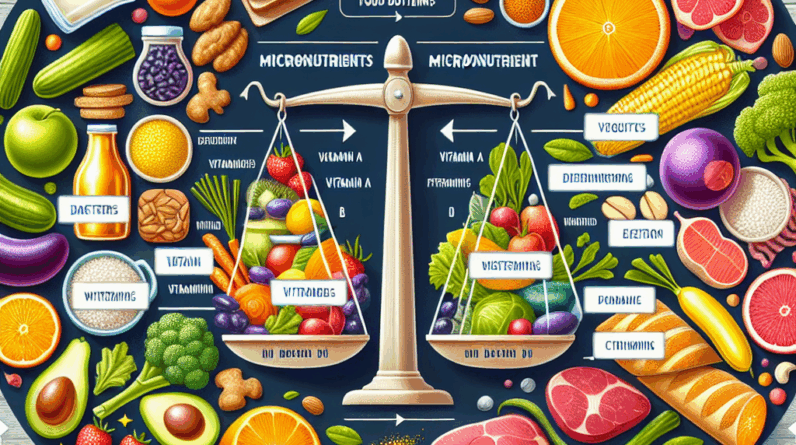
You might be wondering where to find these micronutrients. Let’s break it down a bit. Fruits and vegetables are loaded with vitamins and minerals, making them prime sources. Think leafy greens like spinach and kale, colorful fruits like berries and oranges—they’re all packing a nutritious punch.
But it’s not just about fruits and veggies. Whole grains, nuts, seeds, dairy products, and lean meats also contribute valuable micronutrients to our diets. The trick is to diversify your food choices. By eating a rainbow of foods, you’re helping ensure you get a balanced intake.

Get a Huge Discount and Bonus! Try for 90 Days Risk Free
From personal experience, I’ve found that setting a goal to try a new fruit or veggie each week makes it fun to discover new flavors and benefits. Plus, it keeps meals exciting—who said healthy eating has to be boring?
The Consequences of Micronutrient Deficiency
Common Deficiencies
Let’s talk about the not-so-fun part: deficiencies. Many people struggle to get adequate micronutrients due to dietary preferences, lifestyle choices, or even economic factors. Iron deficiency, for example, is super common, especially among women. The fatigue can be overwhelming, and it’s often overlooked until you get a blood test.
A deficiency in vitamin D is another big one. Many folks don’t get enough sunlight, especially in the winter months. I used to think I was invincible until I realized my energy levels were zapped, and a simple blood test revealed I was low on this essential vitamin.
A great takeaway here is not to ignore your body’s signals. If you’re feeling sluggish or off, it might be time to check if you’re missing out on some vital micronutrients!

Need a Serious Energy BOOST? Huge Discount Try for 90 Days Risk Free
Health Implications
Not getting enough micronutrients can lead to some serious health issues over time. Chronic diseases like heart disease, diabetes, and osteoporosis are linked with deficiencies. It’s eye-opening to realize how much our nutrition—especially micronutrients—can influence our long-term health.
For instance, a lack of potassium can lead to heightened blood pressure, and insufficient vitamin B12 can affect nerve health, leading to numbness or tingling. These aren’t just “old-age” issues; they can affect anyone who isn’t mindful about their micronutrient intake.
When I learned about these links, I started paying more attention to my nutrients. It’s about investing in my future health because staying healthy is better than dealing with health issues later on!
Recognizing Deficiency Symptoms
The tricky part about deficiencies is that they can be subtle. Symptoms might be easy to overlook, such as fatigue, brittle hair and nails, or even mood swings. When I was feeling down and didn’t know why, it was a simple nutrient deficiency that turned out to be the culprit!
Good Health Solution is Easier Than Most People Think!
Take a Look for Yourself!
Learning to recognize these signs has been empowering. For instance, when I noticed my skin going dry, I didn’t just jump to blame the weather; I checked my vitamin E intake instead. Small changes led to big differences in how I felt.
So, keep an eye on your body and tune into what it’s trying to tell you. Small adjustments can make a huge impact on your overall wellness!
Conclusion: Achieving a Balanced Diet
Creating a Balanced Plate
Now that we’ve covered a lot of ground, let’s wrap this up with how to actually achieve a balanced diet. Start by creating colorful meals; the more colors on your plate, the more nutrients you’re likely getting. Balancing proteins, carbs, and healthy fats is great, but remember to sprinkle in those micronutrient-rich foods, too!
I like to meal prep with a variety of ingredients to keep it interesting. Quinoa, beans, colorful veggies, nuts, and seeds are my go-tos. Mixing and matching keeps it fresh while ensuring I’m not missing vital nutrients.
Lastly, remember to be mindful of your lifestyle choices. Regular physical activity and staying hydrated also play massive roles in how your body absorbs and uses these micronutrients. Keep moving; your body will thank you!
Supplements vs. Whole Foods
A question that often comes up is whether to use supplements or just focus on whole foods. I’ve done both, and honestly, whole foods win! They’re not only loaded with nutrients but also come with fiber and other benefits that supplements simply can’t offer.
That said, there are times when supplements might be helpful, especially when dealing with a known deficiency. If you’re considering this route, I highly recommend chatting with a healthcare professional. They can guide you on what’s best for you.
At the end of the day, eating a wide array of whole foods is key. It makes nutrition enjoyable and fulfilling while giving your body what it needs to thrive!
Staying Educated
The journey doesn’t stop here! Staying educated about nutrition is crucial. I often find myself diving into articles, attending health workshops, or even joining online communities focused on healthy living. The more you learn, the better you can take care of yourself.
Sharing knowledge is just as important. Talk to friends and family about your discoveries—nutrition’s a communal journey! We can learn from each other’s experiences like what foods worked wonders or what didn’t quite cut it.
After all, being well-nourished not only helps us live longer but also makes life more vibrant and enjoyable. That’s something worth striving for!
FAQs
1. What are the main types of micronutrients?
The two main types of micronutrients are vitamins and minerals, including vitamin A, C, D, iron, calcium, and zinc. Each serves important functions in the body.
2. How can I tell if I have a micronutrient deficiency?
Common signs include fatigue, dry skin, brittle hair, and mood changes. If you suspect a deficiency, it’s best to consult with a healthcare provider for a blood test.
3. Are supplements a good substitute for whole foods?
While supplements can help in certain cases of deficiency, whole foods provide additional benefits like fiber and antioxidants that supplements don’t.
4. How can I ensure I get enough micronutrients in my diet?
Focus on a balanced diet rich in fruits, vegetables, whole grains, nuts, and lean proteins. Eating a variety of foods is key to meeting your micronutrient needs.
5. What’s the best way to incorporate more micronutrients into my meals?
Try to include a wide range of colorful foods in your meals. Experimenting with different fruits and vegetables each week can help create variety and ensure you’re getting a full spectrum of nutrients.