Understanding Fiber: What is It?
Types of Fiber
First off, let’s break down what fiber really is. There are two main types of fiber: soluble and insoluble. Soluble fiber dissolves in water and is great for lowering cholesterol as well as controlling blood sugar levels. A classic example of this is oats, which I often throw into my morning smoothies. Insoluble fiber, on the other hand, doesn’t dissolve and helps to add bulk to your stool, making it easier to pass. Think of it as the natural broom for your intestines!

Get a Huge Discount and Bonus! Try for 90 Days Risk Free
Both types are essential for our diets. I’ve noticed that incorporating both into my meals keeps my digestive system moving smoothly. Whether it’s the beans I munch on at lunch or the leafy greens in my dinner salad, I always try to have a mix. Just remember: Variety is key!
If you ever find yourself feeling sluggish or irregular, check your fiber intake. I can’t stress enough how important it is to get enough fiber every day. It’s like oiling a machine; everything runs better when it’s well-maintained.
Fiber’s Role in Digestion
Keeping Things Moving
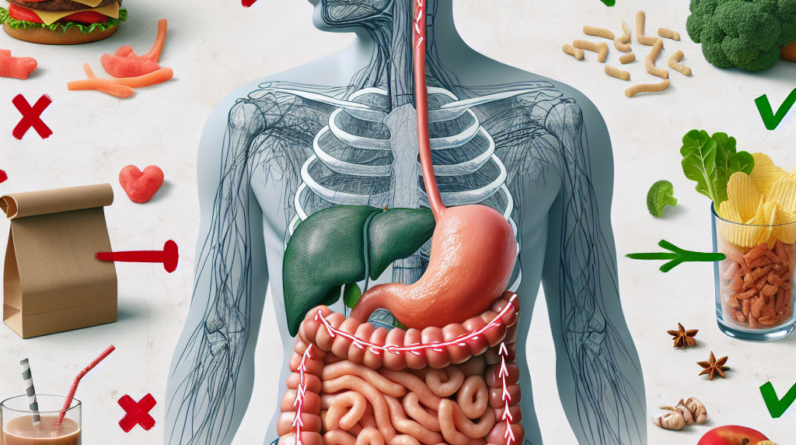
Let’s talk about digestion—an area where fiber shines. I can personally vouch for how fiber helps keep my gut on track. It adds bulk to my stool, which means I feel less bloated and more comfortable throughout the day. When I eat high-fiber foods, it’s like a free pass to snack without feeling guilty!
When fiber ferments in the gut, it produces short-chain fatty acids, which can enhance gut health. I’ve felt a noticeable difference when I include more fiber in my meals. I often take a moment during the day to be thankful for the greens and grains in my diet—they really do wonders for my body.
There’s also something comforting about knowing that I’m helping my body function better. Regular bowel movements are a huge win. If you’re struggling with digestive issues, consider boosting your fiber intake!
Benefits of Fiber Beyond Digestion
Heart Health
Beyond helping out with digestion, fiber has some fantastic benefits for heart health. You see, soluble fiber can lower cholesterol levels, which I try to keep in check as I get older. Foods like apples, beans, and even chia seeds have become staples in my diet.
There’s something particularly satisfying about knowing that each spoonful of oatmeal is doing wonders for my heart. Plus, adding fiber-rich foods often leads me to choose healthier options overall. It’s like a snowball effect; one healthy choice tends to lead to another!

Get a Huge Discount and Bonus! Try for 90 Days Risk Free
By keeping my cholesterol levels in check, I’m investing in a healthier future. It may feel simple, but each fiber-rich choice I make is one step toward a stronger heart.
Fiber for Weight Management
Feeling Full and Satisfied
One unexpected benefit of boosting my fiber intake has been its impact on my weight management. Fiber-rich foods, like whole grains and veggies, keep me feeling full longer. No more constant snacking for me! I’ve noticed that when my plate is colorful and fiber-packed, I feel satisfied without overindulging.
Good Health Solution is Easier Than Most People Think!
Take a Look for Yourself!

Need a Serious Energy BOOST? Huge Discount Try for 90 Days Risk Free
Plus, with fiber slowing down the digestion of my meals, it manages to keep my blood sugar stable. This is especially important for those sweet tooth moments! Trust me, I’ve found that when I load up on fiber, I’m less tempted by those tempting sugary snacks.
Adding fiber to my meals is all about making choices that support my health without sacrificing taste or enjoyment. It’s a win-win!
How to Incorporate More Fiber in Your Diet
Simple Swaps
If you’re wondering how to add more fiber to your diet, it’s easier than you might think! I started by making simple swaps. For example, instead of white bread, I switched to whole grain. Instead of regular pasta, I now opt for whole grain or legume-based options. It’s amazing how these small changes can make a big difference!
I also found that snacking on fruits like pears or berries makes for a delightful way to sneak in more fiber. Just a simple bowl of mixed fruit can satisfy my cravings while boosting my fiber intake. Plus, it’s a lot more refreshing than junk food!
Another clever trick I’ve learned is to bulk up my meals with beans or lentils. Adding a serving to salads and soups not only enhances the flavor but seriously ups the fiber content. It’s all about being creative with what’s in your kitchen!
FAQ
1. How much fiber should I aim for each day?
Generally, adults should aim for about 25 to 30 grams of fiber daily. But listen to your body; it’s important to find what works for you!
2. Can I get too much fiber?
Yep! Too much fiber can lead to discomfort, like bloating and gas. As with anything else, moderation is key.
3. What are some fiber-rich foods I should consider?
Great question! Foods like beans, lentils, whole grains, fruits, vegetables, and nuts are all fantastic choices to boost your fiber intake.
4. How do I increase my fiber intake safely?
Increase your fiber intake gradually. Jumping in too fast can cause digestive upset. Be sure to drink plenty of water to help your body adjust.
5. Do high-fiber diets really help with weight loss?
Absolutely! High-fiber foods can help you feel fuller longer, which can lead to reduced calorie intake overall. Pair that with a balanced diet for the best results!