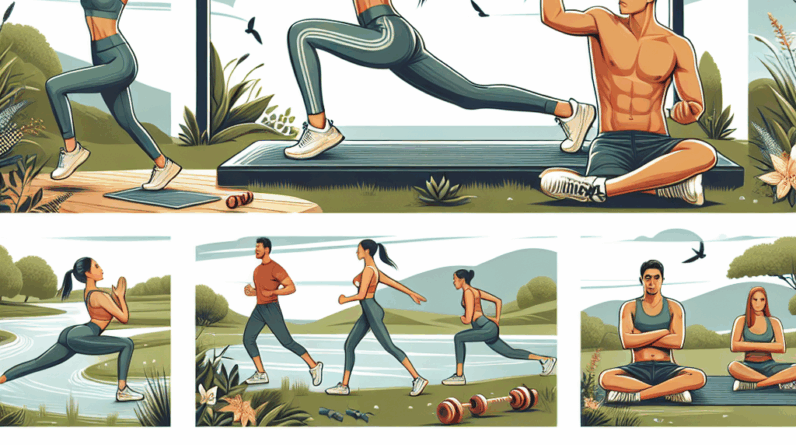
Engaging Your Abdominals
The Importance of Core Activation
One of the first things I learned about strengthening my core is just how crucial it is to engage those abdominal muscles properly. The core isn’t just about looking great in a swimsuit; it plays a vital role in nearly all physical activities. I remember the first time I consciously activated my core while exercising. It completely changed how I moved, giving me better support and stability.

Get a Huge Discount and Bonus! Try for 90 Days Risk Free
Engaging your abdominals helps to protect your back. You see, when those muscles are tight and activated, they support your spine. So, whether you’re lifting weights or just bending down to pick something up, you’ll find that activating your core can prevent injury. If you’ve never thought about your core while doing daily activities, trust me, it’s a game-changer.
Plus, it boosts performance. The stronger your core, the better you can perform in sports or even everyday tasks like carrying groceries. Remember, it’s not just about those perfect sit-ups; it’s about awareness and engagement throughout the day.
Incorporating Planks
The Basics of Planking
Ah, the plank! A straightforward yet mighty move in the arsenal of core-strengthening exercises. When I first started incorporating planks into my daily routine, I could barely hold the position for 10 seconds. But with practice, I noticed significant improvements not just in my core but overall endurance as well.
To do a plank correctly, you want to lie face down, palming the ground, and then lifting your body off the floor, keeping everything aligned. It might look simple, but trust me—it’s a full-body workout disguised in a single pose. I now aim for 30 seconds to a minute each time, but starting with shorter intervals is completely fine if you’re a beginner.
Over time, you can switch up your plank routine by trying side planks or adding leg lifts. It’s a fantastic way to keep things fresh and challenge your body even further. What I love about planking is that you can do it anywhere—no gym required!
Utilizing Dynamic Movements
The Power of Movement
Let’s be honest, sometimes I get bored just doing static exercises. That’s why incorporating dynamic movements was a game-changer for my core workouts. Imagine adding moves like mountain climbers or Russian twists to your routine! These exercises not only strengthen your core but also get your heart rate up.
Dynamic movements force your core to engage differently. When you’re moving around, your body has to stabilize itself to maintain balance. This means you’re working harder than you might during a standard abdominal crunch. I try to mix in dynamic movements into my routine a few times a week for variety and added benefits.

Get a Huge Discount and Bonus! Try for 90 Days Risk Free
Besides being a fun way to work out, these movements can also lead to improved agility and coordination. Plus, they often bring an element of cardio into the mix, so you’re also burning calories. Double win!
Developing a Consistent Routine
Setting a Daily Schedule
Creating a consistent routine is perhaps the hardest part of strengthening your core. I’ve had my fair share of weeks where my exercise habits fell by the wayside. I discovered that setting a specific time each day made a huge difference. For me, mornings work best—there’s just something about starting my day with movement that sets a positive tone.
Good Health Solution is Easier Than Most People Think!
Take a Look for Yourself!

Need a Serious Energy BOOST? Huge Discount Try for 90 Days Risk Free
Next, keep it simple. I recommend setting aside 10 to 15 minutes each day for core exercises. Over time, you can gradually increase that time as you build strength and confidence. It’s about making those small commitments that accumulate into lasting benefits!
Also, vary your routine weekly to keep things interesting. You might feel like doing dynamic exercises one week and prefer strength-based moves the next. Listening to your body and adjusting accordingly has helped me stay engaged and motivated for the long haul.
Tracking Your Progress
Why Keeping Track Matters
Finally, let’s talk about tracking your progress. This has been instrumental in my core-strengthening journey. You don’t have to be meticulous, but simply noting your improvements on a calendar or app can help keep you motivated. I love to look back and see how far I’ve come.
Whether it’s the number of seconds holding a plank or the number of reps you can do, seeing your improvements firsthand can be so encouraging. It’s proof that your efforts are paying off and motivates you to keep pushing forward.
Moreover, tracking helps identify where you may need to focus more effort. If you notice that your planks are improving but not other exercises, you might want to adjust your routine. Making those small tweaks can lead to even better results.
FAQs
1. How often should I work on my core?
I recommend aiming for a few times a week. Consistency is key, but also listen to your body! If you’re sore, give yourself a break.
2. Is it necessary to hold a plank for a long time?
Not at all! Quality over quantity. It’s better to maintain good form for a shorter time than to struggle through an extended hold.
3. Can I strengthen my core without going to the gym?
Absolutely! Many effective core exercises can be done at home with minimal or no equipment at all. Think bodyweight exercises like planks and dynamic movements.
4. Are there specific foods that can help strengthen my core?
While foods won’t directly strengthen your core, a balanced diet rich in lean proteins, healthy fats, and vegetables can aid in fat loss and muscle recovery, which supports overall strength.
5. How do I maintain motivation?
Set small, achievable goals, and celebrate your progress! Finding a workout buddy can also boost motivation, making it a fun and social experience.