Choose Whole Grains Over Refined Grains
Understanding Whole Grains
In my own journey towards better health, I stumbled upon the magic of whole grains. Unlike refined grains that you find in most white bread, whole grains packs in all parts of the grain seed. This means you get more fiber and nutrients. I remember my first switch to whole grain pasta—it was an eye-opener! Not only did it taste great, but I also felt fuller and more energized.
Get a Huge Discount and Bonus! Try for 90 Days Risk Free
Fiber is crucial for heart health. It helps lower cholesterol levels, manage blood sugar, and maintain a healthy weight. Trust me, adding just one whole grain meal a day can make a world of difference!
Don’t just settle for brown rice, even though it’s a classic. Try quinoa, barley, or farro. They’re packed with flavor and really easy to whip up in a meal. Whole grains can be delightful, and they’re a simple swap for a healthier heart!
How to Incorporate Whole Grains
Making whole grains a part of your everyday meals isn’t as tough as it seems. I started by purchasing whole grain products whenever I got groceries. Look for whole grain bread, brown rice, and oats. You’ll be surprised how easy it is to find options!
Another little trick I picked up is to blend them into my meals. I add oats to smoothies, use whole grain flour for baking, or sprinkle quinoa in salads. It’s about taking the small steps that add up over time.
Lastly, don’t be afraid to experiment. Check out different cuisines that use whole grains as staples. This not only diversifies your plate but also makes healthy eating exciting!
Reading Labels
When switching to whole grains, the grocery aisle can be a jungle. I learned the importance of reading labels carefully. Just because a product claims to be ‘multi-grain’ or ‘wheat’ doesn’t mean it’s whole grain.
Look for the “100% whole grain” label on packaging. This guarantees you’re getting all the health benefits. The first ingredient should also indicate whole grain—for example, “whole wheat flour” instead of just “wheat flour.”

Get a Huge Discount and Bonus! Try for 90 Days Risk Free
Be on the lookout for sneaky added sugars or preservatives, too! The cleaner the ingredient list, the better it is for your heart.
Emphasize Fruits and Vegetables
The Power of Color
If you’re like me, you might find fruits and veggies to be boring. But let me tell you; they are the colorful heroes of heart health! The more colors on your plate, the better. You might feel like a kid in a candy store when you see all those vibrant hues—plus, each color represents different nutrients that you need.
Leafy greens like spinach and kale are loaded with vitamins and minerals. Berries, especially, are fantastic for their antioxidants. If you’re not a big fan of them, try making smoothies—it’s a delicious way to get your daily dose!
When I started integrating more fruits and veggies into my meals, I noticed my cravings for unhealthy snacks dwindled. They kept me feeling fuller, and I didn’t miss the junk as much as I thought I would!

Need a Serious Energy BOOST? Huge Discount Try for 90 Days Risk Free
Creative Ways to Include More
Getting enough fruits and veggies doesn’t have to be a chore. I’ve had success with simple swaps in my recipes. For example, I added spinach to my morning omelets or blended kale into my smoothies. If you haven’t tried it, you’d be surprised by how good it tastes!
Make it fun! I’ve learned to make colorful salads a centerpiece at my meals. Tossing in some cherry tomatoes, carrot strips, and avocado not only makes it pleasing to the eye but super nutritious as well!
Trying new recipes can also keep things interesting. Have you tried a veggie stir-fry or zoodles (zucchini noodles)? Honestly, it’s a game changer for upping your veggie intake without even realizing it.
Seasonal Shopping
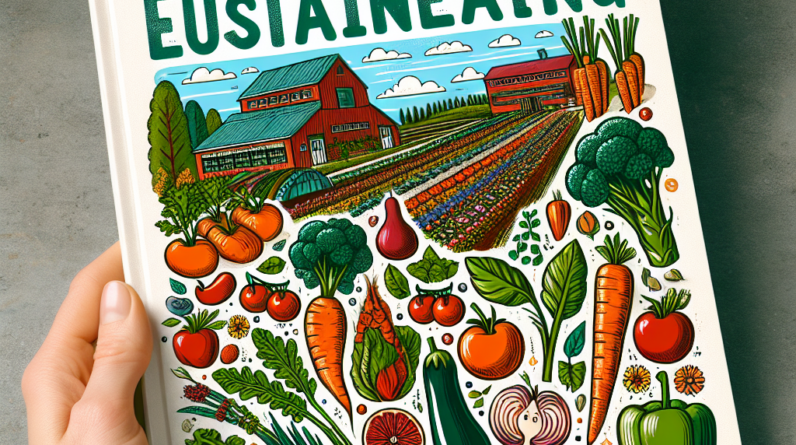
Shopping seasonally can elevate your fruits and veggie game! I love hitting the local farmer’s market and seeing what’s fresh. Not only do you usually get more flavorful produce, but it’s often cheaper too.
Seasonal veggies and fruits can inspire your recipes. Whenever I get my hands on fresh produce, I try to base my weekly meals around them. You discover new favorites this way and keep things fresh.
Plus, buying local supports your community. It’s a win-win for your health and your heart!
Healthy Fats Are Your Friends
Understanding Healthy Fats
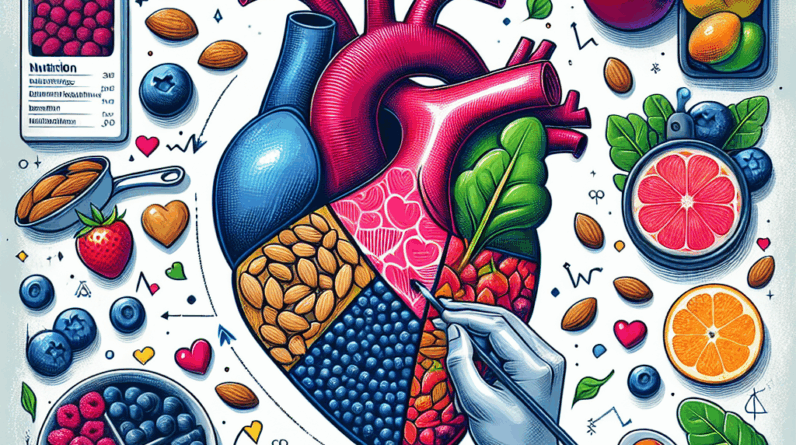
When I first heard of healthy fats, I was skeptical! Aren’t all fats bad? Nope! Healthy fats are an essential component of a heart-friendly diet. They contribute to overall heart health by reducing bad cholesterol.
Found in foods like avocados, nuts, seeds, and olive oil, these fats help keep you satiated and provide energy without compromising your health.
Swapping out butter for extra virgin olive oil in cooking was one of my favorite upgrades. That simple switch makes meals tastier and healthier!
Including Healthy Fats in Your Diet
Integrating healthy fats into your meals can be simple. I toss a handful of walnuts or almonds into my salad for an added crunch. Avocado on toast is still my go-to breakfast—I mean, who doesn’t love that creamy goodness?
Don’t forget about fish! Fatty fish like salmon or mackerel are loaded with omega-3 fatty acids, which are fantastic for heart health. Aim to include those in your meal preps a couple of times a week. They’re delicious and super easy to cook!
And don’t shy away from peanut butter or almond butter. They’re not just for kids—spread it on your morning toast or add it to smoothies for a healthy punch!
Mind the Moderation
While healthy fats are amazing, moderation is key. When I started incorporating them into my diet, I had to remind myself that they are calorically dense. So, even though they’re nutritious, it’s essential not to go overboard.
Good Health Solution is Easier Than Most People Think!
Take a Look for Yourself!
I learned to measure out my nut servings and account for them in my daily calorie intake. My favorite tactic is to make sure they complement my meals rather than dominate them!
Having a balanced mindset can help you enjoy healthy fats without worrying about overindulgence! It’s all about balance in the end.
Limit Processed Foods
Recognizing Processed Foods
I realized that avoiding processed foods was a challenge at first. Fast food? Frozen dinners? They were part of my everyday life until I was educated on what they do to our bodies. Processed foods often contain added sugars, unhealthy fats, and sodium. Frankly, my body was not a fan!
Reading ingredient labels became one of my superpowers. In general, if you can’t pronounce it, it might be one to skip. Fewer ingredients often mean better for your heart!
Don’t get me wrong; I enjoy convenience as much as the next person, but I make a conscious effort to limit foods with long lists of additives and preservatives.
How to Reduce Processed Foods
Cutting out processed foods doesn’t have to be an all-or-nothing endeavor. I started small—replacing one meal a day with a homemade version of something I usually grabbed from the store. It was crazy how much more satisfying it felt!
Meal prepping can be a lifesaver. On Sundays, I whip up meals that I can grab during the week. It saves me time and keeps me from reaching for less healthy options!
Also, try to have healthy snacks on hand at all times. I keep nuts, fruit, or yogurt in my fridge when the munchies hit. This way, I avoid those tempting processed snacks that seem to call my name!
Finding Less Processed Alternatives
Every grocery store has a whole section of whole-food alternatives. I’ve found that searching for items labeled ‘natural’ or ‘organic’ can point you in the right direction.
When I crave something sweet, I try to grab dark chocolate instead of regular candy bars. It feels indulgent without completely derailing my healthy choices.
And cheers to the internet for providing a wealth of recipes to replicate your favorite snacks at home! You can enjoy comfort foods while knowing exactly what ingredients are going in.
Stay Hydrated with Heart-Healthy Beverages
Water—The Best Beverage
Staying hydrated is something I had to consciously work on. Water is incredibly vital for heart health, and let’s face it, it’s the best beverage out there. I started carrying a water bottle with me wherever I went—both to remind me to drink more and because it’s so easy to sip throughout the day.
Sometimes, I incorporate fresh fruits or herbs into my water, making it a more enjoyable experience. A sprig of mint or slices of lemon can really elevate your hydration game!
By making a habit of drinking sufficient water daily, I found I felt more energetic and even less hungry, which can help with maintaining a healthy weight.
Healthy Drink Alternatives
Let’s talk about alternatives to sugary drinks. I had a nasty soda habit that I needed to kick. When I swapped soda for sparkling water with a splash of juice, I found it quite refreshing!
There’s a large variety of herbal teas that not only taste good but also offer numerous health benefits. Experimenting with different flavors was fun for me, and I often turned to a warm cup of tea in the evenings instead of sugary desserts.
Coconut water is another fantastic option for hydration. It’s not only refreshing but also packed with electrolytes, a perfect post-workout drink!
Limiting Alcohol Intake
While I enjoy a good glass of wine or a cold beer now and then, I learned to be mindful of my alcohol intake. Moderate consumption can have benefits, but overdoing it does your heart no favors.
I made a rule for myself—set limits during social events to enjoy without overindulging. It’s been liberating! Plus, alternating my drinks with water helps keep me hydrated and ensures that I do not go overboard.
Always remember, it’s about moderation. Your heart will thank you for keeping tabs on those drinks!
FAQ
1. What are whole grains, and why are they important?
Whole grains include all parts of the grain seed, providing more nutrients and fiber compared to refined grains. They help lower cholesterol and keep you feeling full longer, which is terrific for your heart health.
2. How can I make sure I’m eating enough fruits and vegetables?
Start by adding a variety of colors to your plate! Make salads using different veggies, try smoothies, and shop seasonally. Also, don’t forget to experiment with new recipes to keep things exciting!
3. What types of fats are considered healthy?
Healthy fats include those found in avocados, nuts, seeds, and fatty fish. They’re beneficial for heart health by lowering bad cholesterol and providing essential nutrients.
4. Why should I limit processed foods?
Processed foods often contain high levels of sugars, unhealthy fats, and preservatives. They can lead to health issues, including heart disease. Opting for whole foods is a much healthier option!
5. How much water should I drink daily?
A general rule of thumb is to drink at least eight 8-ounce glasses of water a day, but individual needs can vary. Listen to your body and drink whenever you feel thirsty!