
Get a Huge Discount and Bonus! Try for 90 Days Risk Free
- 1. Prioritize Nutrient-Dense Foods
- 2. Incorporate Complex Carbohydrates
- 3. Stay Hydrated with Water and Herbal Teas
- 4. Balance Protein Intake
- 5. Add Healthy Fats to Your Diet
- 6. Mindful Eating and Portion Control
- 7. Limit Processed and Sugary Foods
- 8. Include Superfoods for an Energy Boost
- 9. Plan Your Meals Ahead of Time
- 10. Listen to Your Bodyâs Signals
1. Prioritize Nutrient-Dense Foods
Eating for Maximum Nutrients
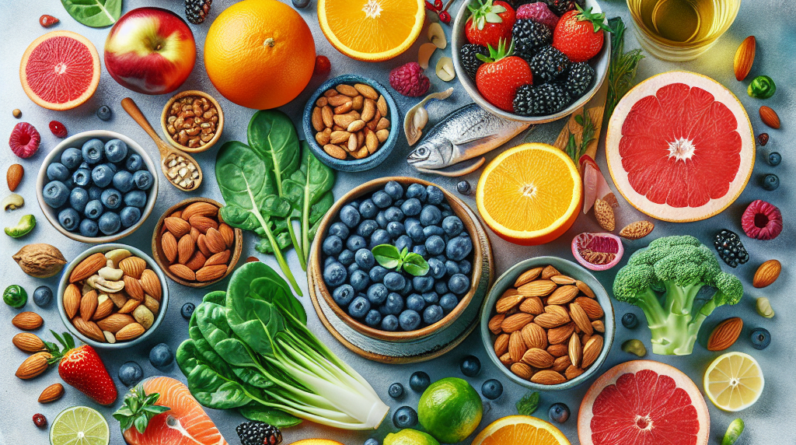
A healthy diet for energy begins with prioritizing nutrient-dense foodsâthose rich in vitamins, minerals, and antioxidants relative to their calorie content. Foods like leafy greens, berries, nuts, and seeds provide essential nutrients that support your body’s energy production processes. In 2025, more people are realizing that quality matters over quantity when it comes to sustaining energy levels throughout the day.
By choosing nutrient-dense options, you ensure your body gets the necessary fuel without excess calories. This approach can reduce fatigue and improve mental clarity. For example, swapping out processed snacks for a handful of mixed nuts and fresh fruit can have a lasting positive impact on energy levels.
Studies have shown that diets high in nutrient-dense foods are associated with increased vitality and reduced risk of chronic diseases. So, make it a goal in 2025 to fill your plate with colorful vegetables, whole grains, and lean proteins to support your health and energy.
Practical Tips for Incorporating Nutrient-Dense Foods
Start each meal with a serving of vegetables or fruits. Experiment with new recipes that emphasize whole foods, and cut back on empty-calorie foods that lack vital nutrients. Meal prepping can help you stay committedâpreparing your nutrient-heavy meals ahead of time makes healthy choices easier and more convenient throughout your busy days.
Example Meal Idea
Think of a colorful Buddha bowl with quinoa, roasted sweet potatoes, kale, avocado, and a tahini drizzle. Itâs a delicious way to ensure you’re getting a variety of essential nutrients that promote sustained energy.

Get a Huge Discount and Bonus! Try for 90 Days Risk Free
2. Incorporate Complex Carbohydrates
The Role of Complex Carbs in Energy
Complex carbohydrates are a cornerstone of a healthy diet for energy because they provide a steady release of glucose into your bloodstream. This helps prevent energy crashes common with simple sugars found in candy or baked goods. In 2025, ongoing research emphasizes the importance of choosing the right carbs for lasting vitality.
Foods like oats, brown rice, whole wheat bread, and legumes are excellent sources. They contain fiber that not only aids digestion but also helps maintain stable blood sugar levels, keeping you energized longer and reducing fatigue.
Transitioning to whole grains is a simple yet effective way to improve your energy levels naturally. Incorporate these into your meals for sustained vitality all day long.

Need a Serious Energy BOOST? Huge Discount Try for 90 Days Risk Free
Cooking Tips and Ideas
Cook your grains in bulk and incorporate them into salads, breakfasts, and side dishes. For example, overnight oats with chia seeds and berries offer an energy-boosting breakfast option.
Scientific Insight
Recent studies have linked higher fiber intake from complex carbs to increased energy and better mood regulation, making them an essential part of a healthy diet for energy in 2025.
3. Stay Hydrated with Water and Herbal Teas
The Link Between Hydration and Energy
Proper hydration is vital for maintaining high energy levels. Dehydration, even mild, can cause fatigue, sluggishness, and decreased concentration. In 2025, the emphasis on hydration has grown, with many health experts recommending at least 8 glasses of water daily for most adults.
In addition to water, herbal teas like peppermint or ginger can provide a refreshing alternative that also offers health benefits without added sugars. Staying well-hydrated helps your body’s cells function optimally, improves circulation, and facilitates the transport of nutrients that fuel your energy.
Make a habit of drinking water regularly, especially if you’re active or live in a warm climate. Keeping a reusable water bottle handy can serve as a constant reminder to hydrate.
Practical Hydration Tips
- Set hourly reminders to take small sips of water.
- Infuse water with lemon, cucumber, or herbs for added flavor.
- Limit sugary drinks that can cause energy spikes followed by crashes.
4. Balance Protein Intake
Proteinâs Role in Sustained Energy
Protein is essential not just for muscle repair but also for maintaining energy levels throughout the day. In 2025, a balanced diet for energy incorporates an adequate amount of high-quality protein from sources such as eggs, fish, poultry, beans, and dairy.
Unlike carbs, protein provides a more prolonged release of energy and helps stabilize blood sugar levels. It also supports immune function and tissue repair, which are critical for overall vitality.
Try to include a source of lean protein in every meal to keep your energy consistent. For vegetarians, options like lentils, tofu, and quinoa are excellent sources that can be easily incorporated into daily dishes.
Meal Planning Tips
Combine protein with complex carbs and healthy fats for a well-rounded meal. For example, grilled chicken with quinoa and steamed vegetables provides sustained energy and keeps you satisfied longer.
Statistical Support
Research indicates that diets balanced with appropriate protein intake improve energy and reduce mid-afternoon slumps, making it a key component of a healthy diet for energy in 2025.
5. Add Healthy Fats to Your Diet
Healthy Fats and Energy Levels
Not all fats are created equal. Including sources of healthy fats, such as avocados, nuts, seeds, and oily fish like salmon, can enhance your energy in 2025. These fats are vital for brain health and hormone production, both of which influence your vitality.
Healthy fats slow digestion, contributing to a feeling of fullness and consistent energy. They also have anti-inflammatory properties that support overall well-being.
A daily dose of omega-3 fatty acids from fatty fish or plant-based options like flaxseeds can significantly boost your mental clarity and physical energy.
Implementation Strategies
- Add a handful of nuts or seeds to your oatmeal or yogurt.
- Use olive oil or avocado as dressings or cooking oils.
- Incorporate fatty fish into your weekly meal plan.
6. Mindful Eating and Portion Control
Eating with Awareness
In 2025, mindful eating is recognized as a powerful tool for maintaining energy and avoiding overindulgence. Paying attention to hunger cues and eating slowly allows your body to signal when it’s full, helping prevent sluggishness caused by overeating.
Good Health Solution is Easier Than Most People Think!
Take a Look for Yourself!
Reducing portion sizes and focusing on the quality of food can make a big difference in your energy levels. Mindful eating also enhances digestion, which improves nutrient absorption and fuels your body effectively.
Practicing mindfulness during meals can be as simple as turning off screens, chewing slowly, and savoring each bite. This approach fosters better digestion and more stable energy.
Practical Tips
- Use smaller plates to control portion sizes.
- Eat without distractions to truly enjoy your food.
- Listen to your body’s signals to avoid unnecessary snacking.
7. Limit Processed and Sugary Foods
Impact on Energy and Health
Many processed foods and sugary snacks can cause rapid spikes in blood sugar followed by crashes, leading to fatigue and decreased productivity. In 2025, the trend toward reducing these foods has gained momentum, making healthier choices more accessible.
Instead of quick fixes, opt for whole foods that provide lasting energy. Cutting back on sugary foods can also help prevent chronic conditions like diabetes and heart disease, which can sap your vitality over time.
Read labels carefully and be mindful of hidden sugars found in many packaged products. Replacing candy and soda with fresh fruit or herbal teas sustains your energy naturally.
Healthy Snack Ideas
Choose nuts, seeds, or vegetable sticks with hummus instead of processed snacks. These options support a healthy diet for energy and keep blood sugar stable.
8. Include Superfoods for an Energy Boost
Top Superfoods for Vitality
Superfoods like acai berries, spirulina, matcha, and chia seeds have gained popularity for their exceptional nutrient profiles. Incorporating these into your diet in 2025 can provide an extra boost for your energy levels.
For example, adding chia seeds to smoothies or oats enhances fiber and omega-3 intake. Matcha provides a gentle caffeine boost combined with antioxidants, making it a great option for sustained alertness.
Experimenting with superfoods can diversify your diet and help you achieve optimal energy and health. Small changes like these can have significant benefits over time.
How to Incorporate Superfoods
- Add a teaspoon of spirulina powder to your smoothie.
- Sprinkle chia seeds over yogurt or salads.
- Replace your coffee with a cup of energizing matcha.
9. Plan Your Meals Ahead of Time
The Power of Meal Planning
Meal planning in 2025 is more crucial than ever for maintaining a healthy diet for energy. Preparing meals in advance reduces impulsive eating and ensures you have nutritious options ready to fuel your day.
Having a plan helps you balance macronutrients, avoid processed foods, and stick to your health goals. It also saves time and reduces stress, which can drain your energy.
Set aside time weekly to choose recipes, prep ingredients, and organize your meals. This proactive approach keeps your diet on track and your energy levels high.
Tools and Resources
Use meal planning apps or create simple grocery lists to streamline your process. Batch-cooking grains and proteins ensures quick assembly of balanced meals.
10. Listen to Your Bodyâs Signals
Trust Your Internal Cues
In 2025, tuning into your body’s signals is vital for optimizing your diet for energy. Recognizing when you’re truly hungry versus eating out of boredom or stress helps prevent overfeeding or underfueling.
Pay attention to feelings of tiredness, irritability, or hungerâit can guide you toward more mindful choices that support sustained energy. Regularly checking in with yourself about how you feel can promote better eating habits.
Adjust your diet based on your personal needs, activity levels, and how your body responds to different foods. This personalized approach maximizes your energy and overall well-being.
Self-Monitoring Tips
- Keep a food and mood journal to identify patterns.
- Practice mindful pauses during the day to assess your energy levels.
- Experiment with food choices and note their effects on your vitality.
Conclusion
Implementing these 10 powerful tips can help you create a healthy diet for energy in 2025. By prioritizing nutrient-dense foods, incorporating complex carbs, staying well-hydrated, and listening to your body’s signals, you’ll be able to maintain vibrant energy levels and improve your overall health. Remember, a balanced and mindful approach to eating is the foundation of sustainable vitality. So, start today and embrace these strategies to make 2025 your most energetic year yet!
Frequently Asked Questions
1. What is the best diet for sustained energy in 2025?
A diet that emphasizes nutrient-dense foods, complex carbohydrates, healthy fats, adequate protein, and proper hydration is ideal for sustained energy in 2025.
2. How can I boost my energy naturally with food?
Include superfoods, maintain balanced meals, stay hydrated, and listen to your body’s signals to naturally boost your energy.
3. How much water should I drink daily for energy?
Most adults should aim for at least 8 cups (about 2 liters) of water daily, adjusting based on activity level and climate.
4. Why is a healthy diet for energy important?
It supports brain function, reduces fatigue, enhances productivity, and promotes overall well-being, especially in 2025 when lifestyle demands are higher.
5. Can meal planning improve my energy levels?
Absolutely! Planning meals helps you avoid unhealthy choices and ensures balanced nutrition, leading to more consistent energy throughout the day.